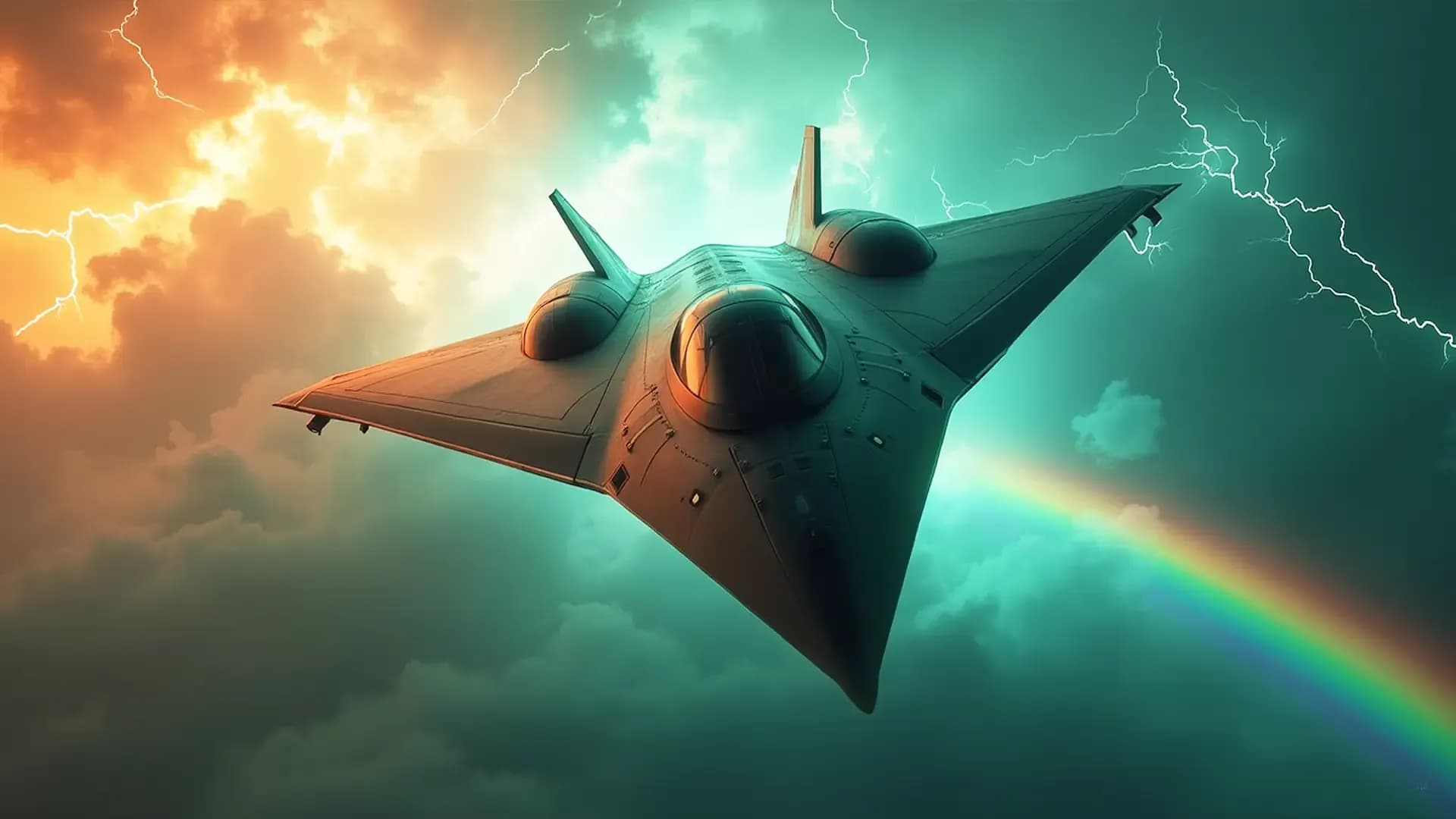

The SR-71 Blackbird is an iconic and groundbreaking aircraft, celebrated for its unmatched speed, altitude capabilities, and strategic reconnaissance role. Developed by Lockheed's Skunk Works division during the Cold War, it was the most advanced aircraft of its time. The SR-71 was designed to outpace enemy interceptors and evade radar detection while performing high-speed intelligence gathering missions. Its sleek, futuristic design, coupled with its revolutionary engineering, made the SR-71 a symbol of aerospace innovation. Despite being retired from service, it remains a benchmark for high-performance aviation and a symbol of Cold War-era technology.
Key highlights:
The SR-71 was designed with high-speed, high-altitude performance as its core mission. Its design incorporated several unique elements that contributed to its speed and agility:
Aerodynamic Shape:
Structural Innovations:
Engines:
Key design features include:
The SR-71 Blackbird was developed during the Cold War as part of the U.S. military’s efforts to gather intelligence from high-altitude, high-speed reconnaissance missions. It was designed to fly at altitudes and speeds beyond the reach of enemy interceptors and radar systems, providing the U.S. with strategic advantages in intelligence collection.
Historically, the SR-71:
Several technological innovations made the SR-71 an unmatched platform during its operational years. These innovations were crucial to its performance and mission success:
Advanced Avionics and Sensors:
Heat Resistance and Materials Technology:
Variable-geometry engines:
The SR-71 was developed by Lockheed's Skunk Works division, led by the legendary engineer Clarence "Kelly" Johnson. This division was responsible for some of the most innovative aircraft designs in aviation history, including the U-2 spy plane, which served as the precursor to the SR-71.
Key aspects include:
The SR-71 Blackbird had a profound impact on military reconnaissance and intelligence-gathering operations.
Key operational impacts:
The aircraft’s design and performance influenced subsequent generations of military reconnaissance aircraft and unmanned aerial systems (UAVs).
While the SR-71 was retired from service, its legacy continues to influence modern aviation in several ways:
Key future influences: