Can Plants See? Exploring Plant Perception
18 Jun 2025

The Surprising Science Behind Plant Sensory Perception
Plants do not have eyes or a brain, which means they can't "see" in the traditional sense. But new studies suggest that they may possess a kind of sensory perception, allowing them to interact with light, colors, and even their surroundings in sophisticated ways. This form of "seeing" isn't sight as humans or animals experience it, but rather a more subtle, biological response to environmental stimuli.
In a fascinating Nautilus article titled "Plants Feel Pain and Might Even See," plant biologist Stefano Mancuso discusses how plants detect light and color using sophisticated mechanisms. Plants, it turns out, are incredibly sensitive to their environment, especially to light. Through complex cellular processes, they can detect not only the intensity of light but also its wavelength—the physical basis of color.
Light and Color Perception in Plants
Plants rely on light for photosynthesis, and they’ve evolved various mechanisms to detect and respond to light. For instance, photoreceptors, which are specialized proteins in plant cells, allow plants to detect different wavelengths of light. These wavelengths correspond to different colors in the visible spectrum, such as red, blue, and green light. Photoreceptors help plants optimize photosynthesis by adjusting their behavior based on the available light.
One of the most famous examples of plants "seeing" light is their ability to respond to different wavelengths. Plants often have photoreceptors sensitive to blue light (such as cryptochromes) and red light (phytochromes). These receptors allow plants to determine the time of day, adjust their growth patterns, and even influence flowering and fruiting cycles. Plants such as sunflowers, for instance, can follow the sun's path across the sky—a phenomenon called heliotropism—by adjusting their leaves to maximize light absorption.
But could plants “see” color in the same way that humans do? While they certainly react to different wavelengths of light, there’s no evidence to suggest that plants "experience" color in the way that humans perceive it. Instead, their responses to light are more akin to programmed biological reactions—responses that allow them to adapt and thrive in their environment.
Plants Respond to Light in Complex Ways
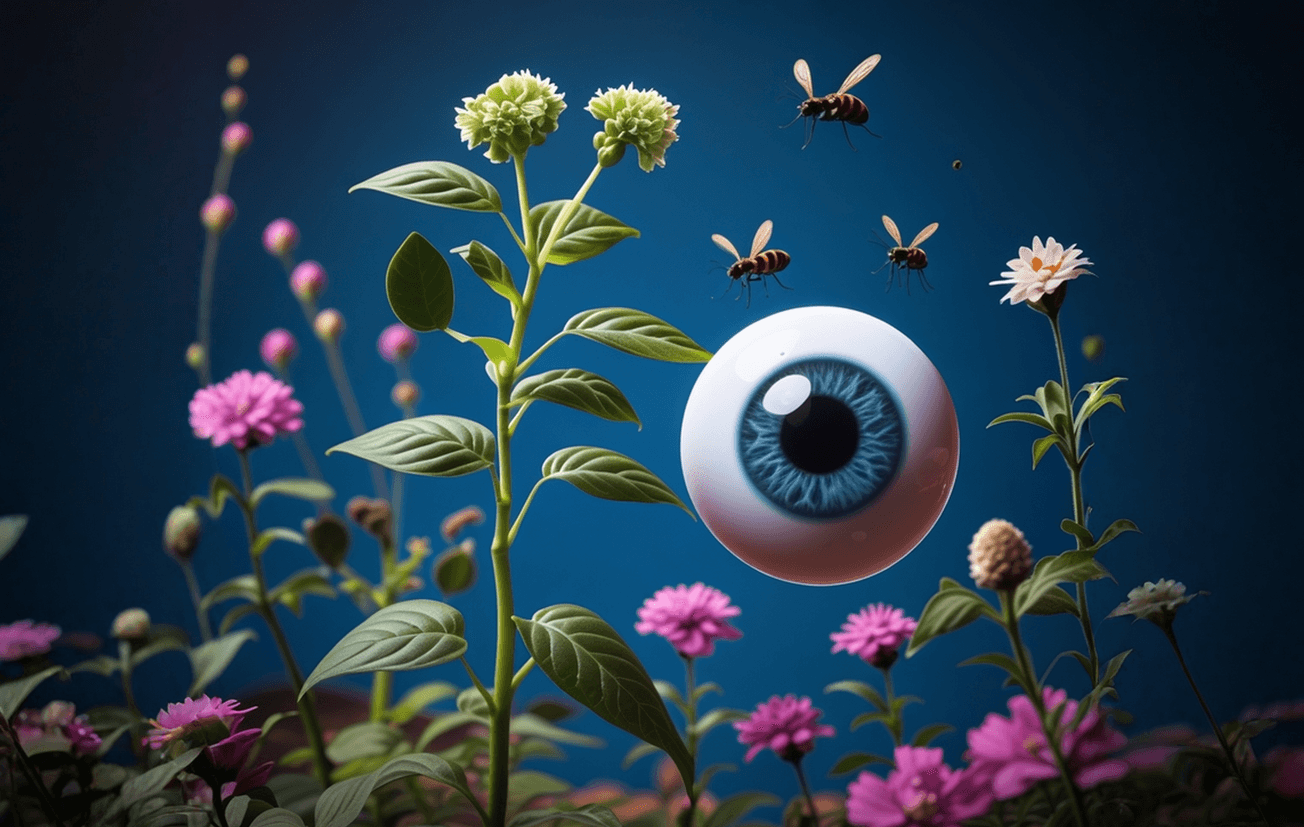
Plants' sensitivity to light goes beyond just maximizing photosynthesis. They use light as a tool for survival and reproduction. Research has shown that plants can even sense light intensity and direction. This ability to detect light direction helps them orient themselves correctly for optimal growth, avoiding competition for light from neighboring plants.
Another remarkable example is the phenomenon of phototropism. This is the ability of plants to grow towards light sources. The process is triggered by light receptors in the plant’s cells, which activate signaling pathways that encourage growth on the side of the plant that is shaded. Over time, this causes the plant to bend towards the light, optimizing photosynthesis.
Moreover, plants can differentiate between various types of light, such as sunlight and artificial light, and they adjust their behaviors accordingly. Research from the University of California has shown that plants react differently to red and far-red light, which can help them understand the presence of neighboring plants and adjust their growth to avoid overcrowding. Plants also respond to ultraviolet light, which influences their pigmentation and can play a role in protecting the plant from UV-induced damage.
The Possibility of Color Perception in Plants
While plants may not "see" color in the same conscious way humans do, their ability to perceive different wavelengths could give rise to an analogy of color vision. This capacity for detecting and responding to light is vital for plant survival. The concept of plants as "color-sensitive" is rooted in how they interact with various light wavelengths to optimize their growth and reproduction.
There are even studies suggesting that plants may "feel" their surroundings in ways that go beyond light. The Nautilusarticle introduces an intriguing theory that plants may not only sense light and shade but also "experience" environmental factors like temperature and moisture. Some research points to a phenomenon called "plant cognition," which refers to how plants process information from their environment. For instance, when a plant senses that it is under attack by herbivores, it might release volatile organic compounds that signal nearby plants to ramp up their defenses. In a sense, this could be interpreted as a form of awareness or response, though it is far from the active consciousness humans associate with sight.
What Does It Mean for Plants to "See"?
The idea that plants can "see" is still a subject of debate among scientists. For example, in a 2019 study published in Frontiers in Plant Science, researchers suggested that plants might be capable of responding to visual cues that go beyond simple light and dark. This response could involve a level of awareness, wherein plants recognize changes in their environment and adapt their behavior accordingly.
If plants can perceive visual signals, such as the shadow of a predator or the presence of a nearby plant, this could suggest a rudimentary form of visual perception. However, without a brain or a central nervous system, the processes involved are radically different from those seen in animals or humans. In this sense, plants may be far more reactive than we have ever imagined—sensing their surroundings with a level of sophistication that allows them to survive and even communicate with one another.
Plants and the Future of Sensory Perception
As research into plant behavior continues, scientists are beginning to unravel just how complex and nuanced plant sensory perception might be. The discovery that plants can "feel" pain or react to environmental stimuli such as light, sound, or touch opens up exciting possibilities for understanding plant cognition.
In the future, we may discover even more about how plants sense and respond to their world. While the idea of plants seeing color may never align with how we, as humans, experience sight, it’s clear that plants have developed remarkable ways to interpret their environment and survive in it. They don’t "see" in the way we do, but in their own silent, complex way, plants interact with light, color, and their surroundings in ways that challenge our traditional ideas about what it means to be aware.
Plants might not see the world in the same way that humans do, but they certainly interact with it in profound and complex ways. Through sophisticated mechanisms like photoreceptors, plants can sense light, color, and even environmental changes in ways that help them thrive. Whether or not we define this as "sight" is still up for debate, but one thing is clear: plants are far more attuned to their environment than we’ve ever given them credit for. As science continues to explore the hidden lives of plants, we may find that the world of flora is even more extraordinary than we could have imagined.
Share

Hind MoutaoikiI
R&D Manager
Hind is a Data Scientist and Computer Science graduate with a passion for research, development, and interdisciplinary exploration. She publishes on diverse subjects including philosophy, fine arts, mental health, and emerging technologies. Her work bridges data-driven insights with humanistic inquiry, illuminating the evolving relationships between art, culture, science, and innovation.