
loading...


 Helen Keller
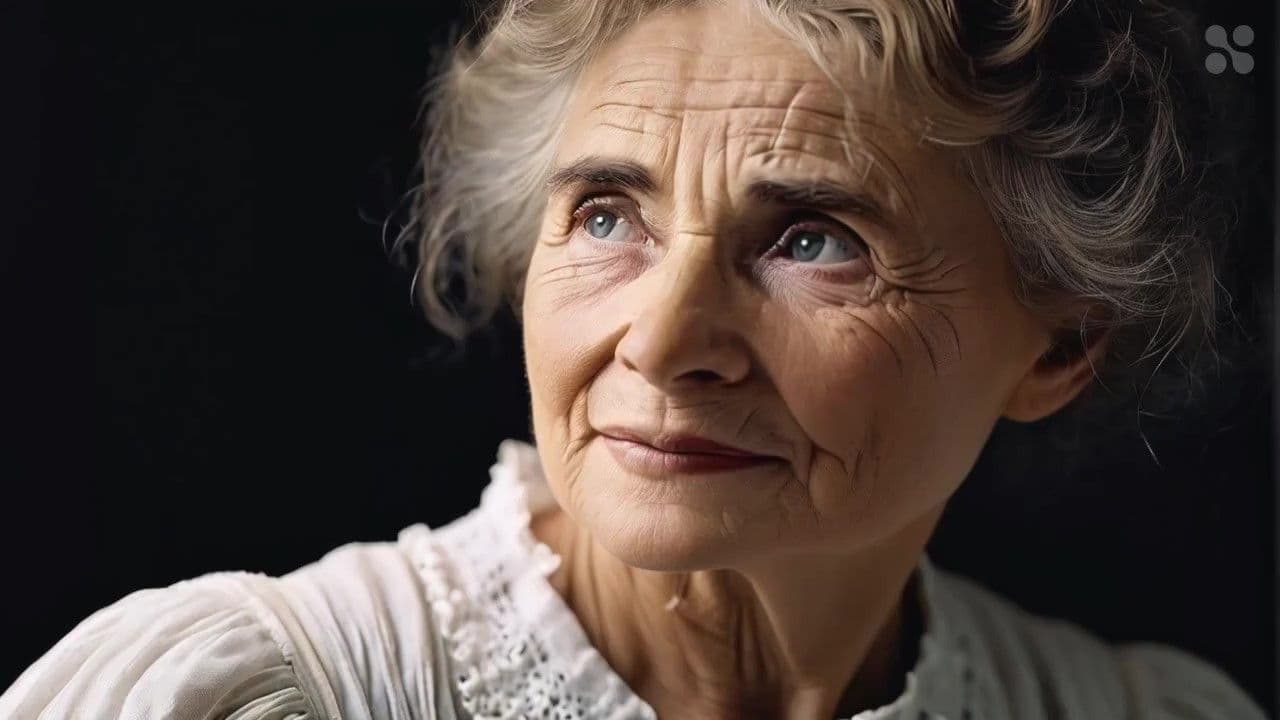
Helen Keller, born in 1880, was a deaf-blind American author, political activist, and lecturer. Despite her physical limitations, she became a world-renowned speaker and advocate for the rights of people with disabilities. She received numerous awards, including the Presidential Medal of Freedom, and continues to inspire people around the world.
Vision
Helen Keller, despite being deaf and blind from a young age, had a vision of a world where everyone, regardless of their physical or mental disabilities, would be given equal opportunities to learn and live their lives to the fullest. She dedicated her life to advocating for people with disabilities, fighting for their civil rights, and promoting education for all. Her vision was one of inclusivity and acceptance, believing that the worth of a person is not defined by their physical capabilities but by their potential to contribute positively to society.
Biography
Helen Adams Keller was born on June 27, 1880, in Tuscumbia, Alabama. At 19 months old, she contracted an illness, possibly scarlet fever or meningitis, which left her both deaf and blind. This led to a very challenging childhood, as she was unable to communicate effectively with the world around her. When she was six, her mother sought help from Alexander Graham Bell who directed her to the Perkins Institute for the Blind. It was here that she met her lifelong teacher, companion, and confidante Anne Sullivan. Sullivan, who was partially blind herself, taught Keller how to communicate using the manual alphabet and later Braille. They also developed a sign language, which they used to converse with each other. With Sullivans help, Keller learned how to read, write, and speak. Keller went on to attend Radcliffe College, becoming the first deaf-blind person to earn a Bachelor of Arts degree. She graduated cum laude in 1904. After college, Keller began her life of activism. She delivered speeches and wrote articles about various issues, but her primary focus was on advocating for the rights of people with disabilities. She worked tirelessly, lobbying for better education and improved working conditions for the blind. She also helped to establish the American Civil Liberties Union (ACLU). She travelled extensively, visiting over 40 countries and meeting with world leaders to discuss her causes. Despite her physical limitations, Keller led a life full of achievements. She published 12 books and numerous articles, became a world-renowned speaker, and was awarded honorary doctoral degrees from various universities around the world. Keller passed away on June 1, 1968, but her legacy continues to inspire people around the world.
Awards and Recognition
Throughout her life, Keller received numerous awards and recognitions for her work as an advocate for people with disabilities. In 1936, she was awarded the Theodore Roosevelt Distinguished Service Medal. In 1955, she was honored with an honorary degree from Harvard University and the following year, she received the Oscar Chapman Award from the Department of Health, Education, and Welfare. In 1964, President Lyndon B. Johnson awarded her the Presidential Medal of Freedom, one of the highest civilian awards in the United States. After her death, she was inducted into the Alabama Women's Hall of Fame in 1971 and the National Women's Hall of Fame in 2003. In addition, several buildings, schools, and foundations around the world have been named in her honor.
Share with friends
Helen Keller, born in 1880, was a deaf-blind American author, political activist, and lecturer. Despite her physical limitations, she became a world-renowned speaker and advocate for the rights of people with disabilities. She received numerous awards, including the Presidential Medal of Freedom, and continues to inspire people around the world.
City of Residence
Tuscumbia, Alabama
Known For
First deaf-blind person to earn a Bachelor of Arts degree
Born
1880
Location
Author, Political Activist, and Lecturer
Social Media/Website
Company Name
American Foundation for the Blind
Education
Bachelor of Arts degree
Personal Details
Helen Keller was an American author, disability rights advocate, political activist and lecturer. She lost her sight and hearing after a bout of illness at the age of 19 months. Despite these physical challenges, she went on to become an influential figur
Recognition
Inducted into the Alabama Women's Hall of Fame, Presidential Medal of Freedom, Honorary Fellowships from the Educational Institute of Scotland
Related TITANS OF THE WORLD




About
Where Wisdom Meets AI Utopia Edutainment
Wisdomia.ai is a 3D AI edutainment platform that seamlessly blends learning with immersive play. As the first AI-powered 3D Web 3.0 marketplace created by creators for creators. Founded by renowned serial entrepreneur and author Dinis Guarda, Wisdomia empowers individuals to flourish in an ecosystem designed for collective wisdom EQ. Join us in shaping humanity's future as we harness the power of AI to visualise and create a better world—where technology serves human potential, and innovation is guided by utopian wisdom.
Contact us
Produced by