loading...


 Nelson Mandela
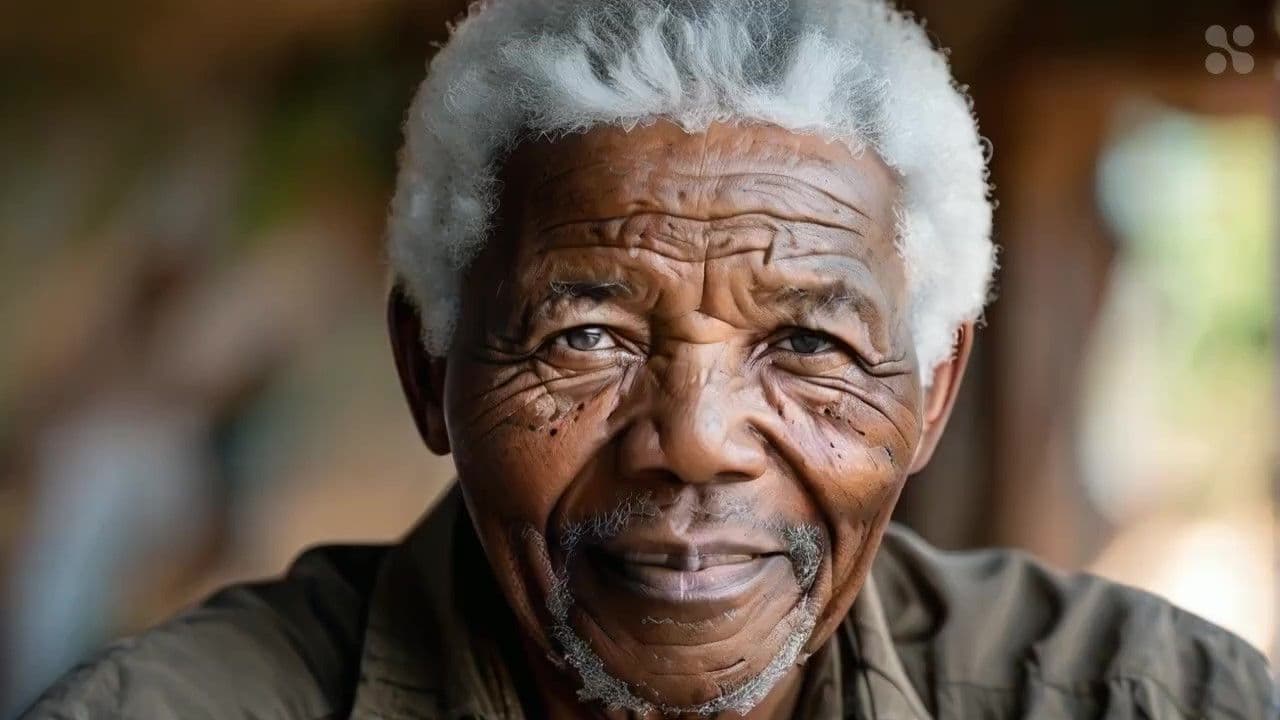
Nelson Mandela, a symbol of global peacemaking, won the Nobel Peace Prize in 1993. He was the first black president of South Africa, leading the nation out of decades of apartheid.
Vision
Nelson Mandela, often known as Madiba in South Africa, was a visionary leader who believed in equality, justice, and the power of education. His vision was of a democratic and free society in which all persons live together in harmony and with equal opportunities. He sought to exterminate apartheid and establish a society where everyone, regardless of their race or ethnicity, had the same rights and opportunities. He envisioned a South Africa that was not divided by color lines but was united in its diversity. He firmly believed that education was the most powerful weapon to change the world, and he worked tirelessly to ensure that every child in South Africa would have access to quality education.
Biography
Nelson Rolihlahla Mandela was born on July 18, 1918, in Mvezo, a small village in the Eastern Cape of South Africa. He was the son of a Xhosa-speaking Thembu chief and spent his childhood in Qunu, a small rural village in South Africa's Eastern Cape Province. In 1940, he was expelled from the University of Fort Hare, a leading institution for black Africans, for participating in a student protest. After fleeing to Johannesburg to avoid an arranged marriage, he completed his bachelor's degree via correspondence and began studying law at the University of Witwatersrand, where he became actively involved in the anti-apartheid movement. In 1944, Mandela joined the African National Congress (ANC), and he later co-founded its Youth League. Over the years, Mandela's commitment to the struggle against apartheid intensified, and he played a significant role in leading the ANC's campaign for the Defiance of Unjust Laws in 1952. In 1961, Mandela led a three-day national workers' strike. He was arrested and charged with sabotage and attempting to violently overthrow the government. Sentenced to life imprisonment, Mandela served 27 years, spending many of these years at Robben Island Prison. During his imprisonment, Mandela became a symbol of resistance and hope for South Africa's oppressed black majority. He was finally released in 1990 amid escalating international and domestic pressure. After his release, Mandela worked tirelessly to promote national reconciliation and to negotiate a peaceful end to apartheid. In 1994, Mandela was elected President in South Africa's first democratic election where citizens of all races were allowed to participate. He served as President from 1994 to 1999, focusing on dismantling the legacy of apartheid through tackling institutionalised racism, poverty, and inequality, and fostering racial reconciliation. After retiring from politics, Mandela remained a devoted champion for peace and social justice in his own nation and around the world until his death in 2013.
Awards and Recognition
Nelson Mandela received more than 250 awards over four decades, including the Nobel Peace Prize in 1993. He was the first living person to be made an honorary Canadian citizen. The United Nations declared his birthday, July 18, as 'Mandela Day' to promote global peace and celebrate the South African leader's legacy. He was awarded the Bharat Ratna by the Indian government and the Order of St. John by Queen Elizabeth II. Posthumously, the African Union declared 2014-2024 as the 'Nelson Mandela Decade of Reconciliation' in Africa. In 2009, the United Nations named his birthday, July 18, as 'Mandela Day', recognising his contribution to the anti-apartheid struggle. It calls on individuals to donate 67 minutes to doing something for others, commemorating the 67 years that Mandela had been a part of the struggle.
Share with friends
Nelson Mandela, a symbol of global peacemaking, won the Nobel Peace Prize in 1993. He was the first black president of South Africa, leading the nation out of decades of apartheid.
City of Residence
Johannesburg
Known For
Anti-Apartheid Activist, Former President of South Africa
Born
1918
Location
Lawyer, Activist, Politician
Social Media/Website
Company Name
African National Congress
Education
Bachelor of Arts (BA) Degree, Bachelor of Law (LLB)
Personal Details
Nelson Mandela was the first black president of South Africa, serving from 1994 to 1999. He was a key player in the anti-apartheid movement, and his efforts to end racial segregation earned him a Nobel Peace Prize.
Recognition
Nobel Peace Prize (1993), Bharat Ratna (1990), Time's Person of the Year (1993), Presidential Medal of Freedom (2002), Lenin Peace Prize (1990)
Related TITANS OF THE WORLD

About
Where Wisdom Meets AI Utopia Edutainment
Wisdomia.ai is a 3D AI edutainment platform that seamlessly blends learning with immersive play. As the first AI-powered 3D Web 3.0 marketplace created by creators for creators. Founded by renowned serial entrepreneur and author Dinis Guarda, Wisdomia empowers individuals to flourish in an ecosystem designed for collective wisdom EQ. Join us in shaping humanity's future as we harness the power of AI to visualise and create a better world—where technology serves human potential, and innovation is guided by utopian wisdom.
Contact us
Produced by