The Argan tree, scientifically referred to as Argania Spinosa, is an endemic tree indigenous to southwestern Morocco and to the Algerian region of Tindouf in the western Mediterranean area. This tree is the sole species of the genus Argania and is recognized for its remarkable adaptability to harsh environmental conditions, including drought and poor soil quality. The Argan tree plays a crucial role in maintaining the ecological balance and economic stability of the region, as it provides food, shelter, and employment to the local communities.
Argan trees can live up to 200 years and reach a height of about 10 meters. They have a wide, spreading crown that provides shade and helps to prevent soil erosion. The trunk and branches are gnarled and twisted, a testament to their resilience in the face of environmental hardships. The leaves are small, oval, and dark green, providing a stark contrast to the pale-colored bark. The tree produces a fruit that is oval-shaped and has a thick, bitter peel surrounding a sweet-smelling but unpleasantly flavored pulp.
The fruit of the Argan tree houses a nut that contains one to three oil-rich kernels. Extraction of this oil, known as Argan oil, is a labor-intensive process that involves manual labor. This oil is highly valued for its medicinal, nutritional, and cosmetic properties. It has been found to have antioxidant and anti-inflammatory properties and is used in treating various skin disorders. It is also used in cooking and as a dietary supplement, due to its high Vitamin E and fatty acid content.
Argan oil production is a major contributor to the economy of the regions where these trees grow. The process of oil extraction provides employment to many people, especially women. The Argan oil industry has also led to the creation of numerous cooperatives, contributing to local development and women empowerment. In fact, UNESCO has designated the Argan tree area in Morocco as a Biosphere Reserve, recognizing its unique cultural, social, and ecological value.
Despite its importance, the Argan tree is threatened by overgrazing, deforestation, and climate change. Over the past 100 years, the Argan forest has decreased by about a third. Efforts are being made to conserve this unique tree species, including the establishment of protected areas and reforestation programs. Additionally, the sustainable production of Argan oil has been promoted as a strategy to protect the Argan forest and improve the livelihoods of the local communities.
Moreover, Argan trees also play a significant role in soil fertility and carbon sequestration. They help to improve soil quality by recycling nutrients through leaf fall and root decay and by fixing atmospheric nitrogen. The trees also store carbon in their biomass and in the soil, contributing to climate change mitigation.
Indeed, the Argan tree is a symbol of resilience and life in the arid regions of Morocco and Algeria. It stands as a beacon of hope for sustainable development and environmental conservation. Its multipurpose nature makes it a valuable resource that deserves protection and sustainable management. The Argan tree and its golden oil are a testament to the power of nature and human ingenuity working in harmony.
To conclude, the Argan tree, with its unique characteristics and immense benefits, is truly a treasure of the desert. Its survival in harsh conditions serves as an inspiration for environmental adaptation and resilience. The tree not only provides numerous benefits to humans and animals but also plays a significant role in maintaining ecological balance. Therefore, protecting and conserving this tree is of utmost importance for the current and future generations.
As we continue to face the challenges of climate change, the Argan tree serves as a reminder of the immense value of biodiversity. It highlights the need for sustainable use and management of natural resources and the importance of local community involvement in conservation efforts. The Argan tree is indeed a symbol of life, resilience, and sustainability in the harsh desert landscapes, and its story is a remarkable testament to the power of nature and human resilience.
The Argan tree, scientifically known as Argania spinosa, is an ancient tree species that has been around for over 80 million years. Predominantly found in southwestern Morocco and some parts of Algeria, this tree has been central to the economy and culture of the local people for generations. The Argan tree has a unique and diverse array of uses, from culinary to medicinal to cosmetic, making it a valuable resource for humans.
Argan trees produce a fruit that is green and resembles an olive but is larger and rounder. Inside this fruit is a nut that contains up to three oil-rich kernels.
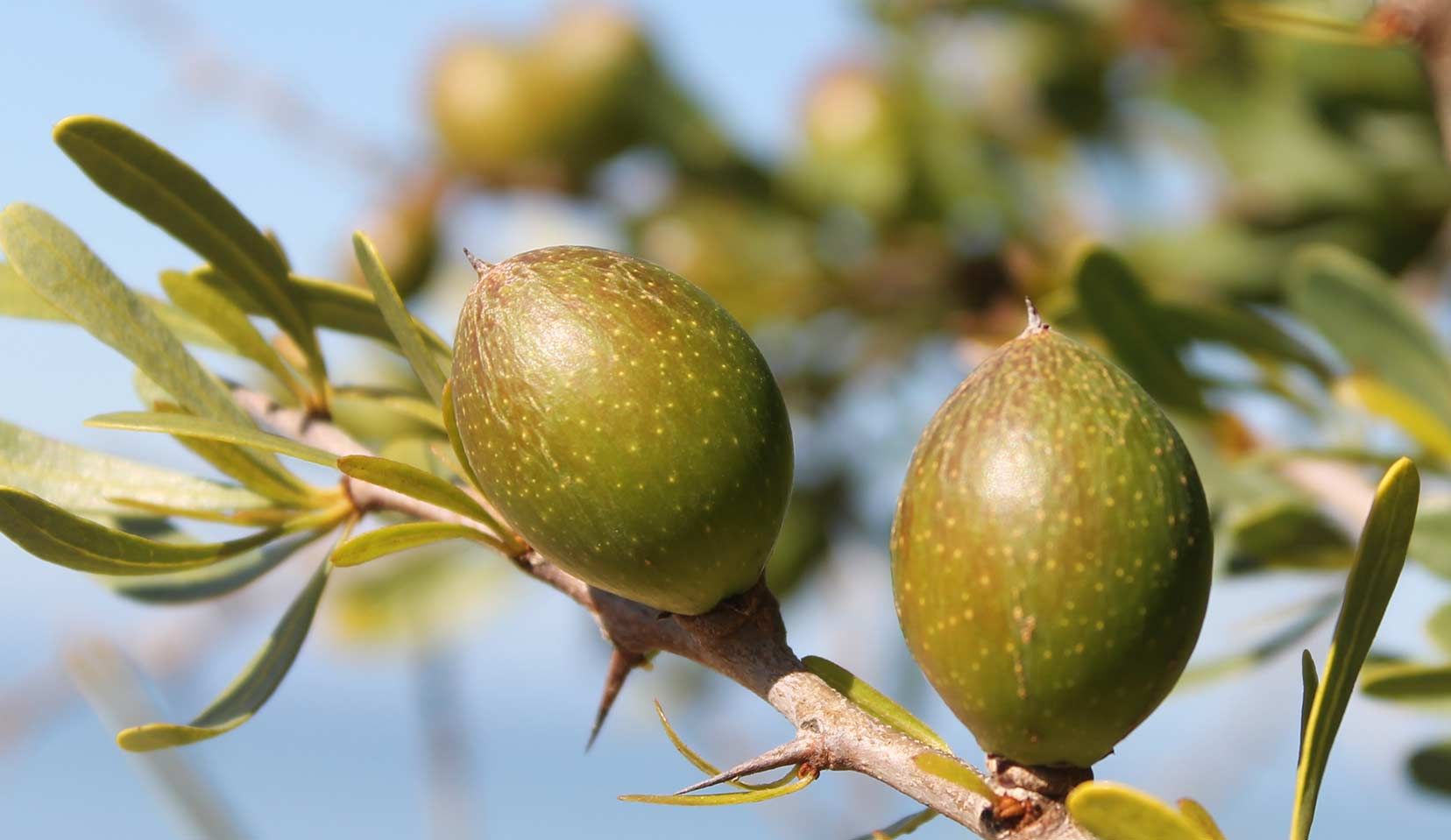
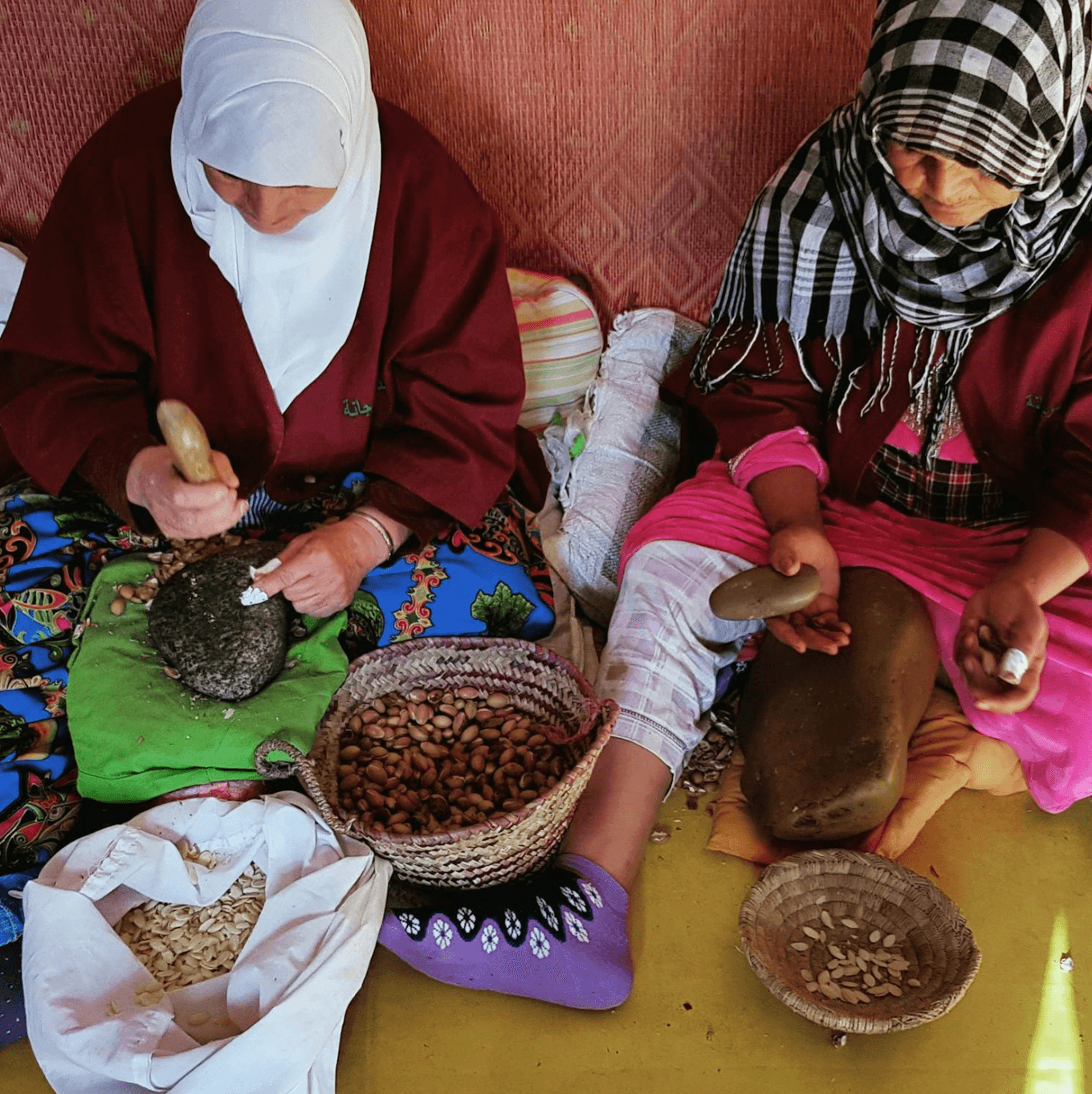
Extraction of this oil, known as Argan oil, is a labor-intensive process that is traditionally carried out by hand by the local Berber women. The process involves peeling the fruit, cracking the nut to obtain the kernels, and then grinding and pressing the kernels to extract the oil. This oil is often referred to as liquid gold due to its high value and numerous benefits.
In the culinary world, Argan oil is a prized ingredient due to its nutty flavor. It is used in a variety of dishes, including salads, couscous, grilled vegetables, and meat dishes. Argan oil is also the main ingredient in Amlou, a traditional Moroccan dip made with almonds and honey. Additionally, Argan oil is rich in essential fatty acids, Vitamin E, and antioxidants, making it a nutritious addition to any diet.
Argan oil has also gained global recognition for its cosmetic uses. It is a popular ingredient in a variety of beauty products, including shampoos, soaps, and skin creams. It is renowned for its moisturizing, anti-aging, and protective properties. Regular use of Argan oil can help to hydrate and soften the skin, reduce wrinkles and fine lines, and protect the skin from sun damage and other environmental stressors. It can also aid in the treatment of various skin conditions such as acne, eczema, and psoriasis.
Argan trees play a crucial role in the local ecosystem as well. With their deep root systems, they help to prevent soil erosion and desertification, thereby preserving the fertility of the land. They also provide shade and habitat for a variety of wildlife. For these reasons, Argan forests have been declared a UNESCO biosphere reserve, highlighting their ecological and cultural importance.
However, the Argan tree is under threat due to overexploitation and deforestation. Increased demand for Argan oil has led to overharvesting of the trees, while land conversion for agriculture and urbanization has resulted in loss of habitat. These threats, coupled with the slow growth rate of the Argan tree, have resulted in a decline in the population of this species. Conservation efforts are therefore necessary to ensure the survival of the Argan tree and the livelihoods of the communities that depend on it.
In recent years, several initiatives have been launched to protect and sustain the Argan tree. These include programs to replant Argan forests, promote sustainable harvesting practices, and improve the livelihoods of the local people through fair trade and community development projects. Additionally, research is being conducted to explore new uses for the Argan tree and its products, further enhancing its economic value and promoting its conservation.
Human interaction with the Argan tree is a perfect example of how nature can provide us with a wealth of resources while also offering environmental benefits. This interaction also underscores the need for sustainable practices to ensure that we can continue to enjoy these benefits for generations to come. The Argan tree is not just a tree; it is a symbol of life and sustainability, a testament to the balance that can be achieved between humans and nature.
The Argan tree, scientifically known as Argania Spinosa, is a species of tree endemic to the calcareous semi-desert of southwestern Morocco and to the Algerian region of Tindouf in the western Mediterranean region. This tree has been central to the socio-economic and cultural lives of the local communities for centuries. Its cultural and symbolic significance is deeply rooted in the local traditions and the daily life of the indigenous Berber people, known as the Amazigh.
The Argan tree, often referred to as the 'Tree of Life', symbolizes resilience and life in a harsh environment. It thrives in arid conditions, surviving on poor, shallow soil and withstanding extreme temperatures, both high and low. The tree's resilience is a symbol of the local people's ability to adapt and survive in an equally harsh environment.
The Argan tree is also seen as a symbol of wealth and prosperity, as every part of the tree has a use, which contributes to the local economy. The tree's fruit is used to produce argan oil, known as 'liquid gold', a valuable commodity in the beauty and culinary industries worldwide. The wood of the tree is used for making furniture and charcoal, while the leaves and pulp provide fodder for animals.
The Argan tree's cultural significance extends beyond its economic value. In the Amazigh culture, the Argan tree is sacred. It is often used in Amazigh rituals and ceremonies, and is believed to possess protective qualities. It is also considered a symbol of patience and endurance, as it takes several years for the Argan tree to mature and bear fruit.
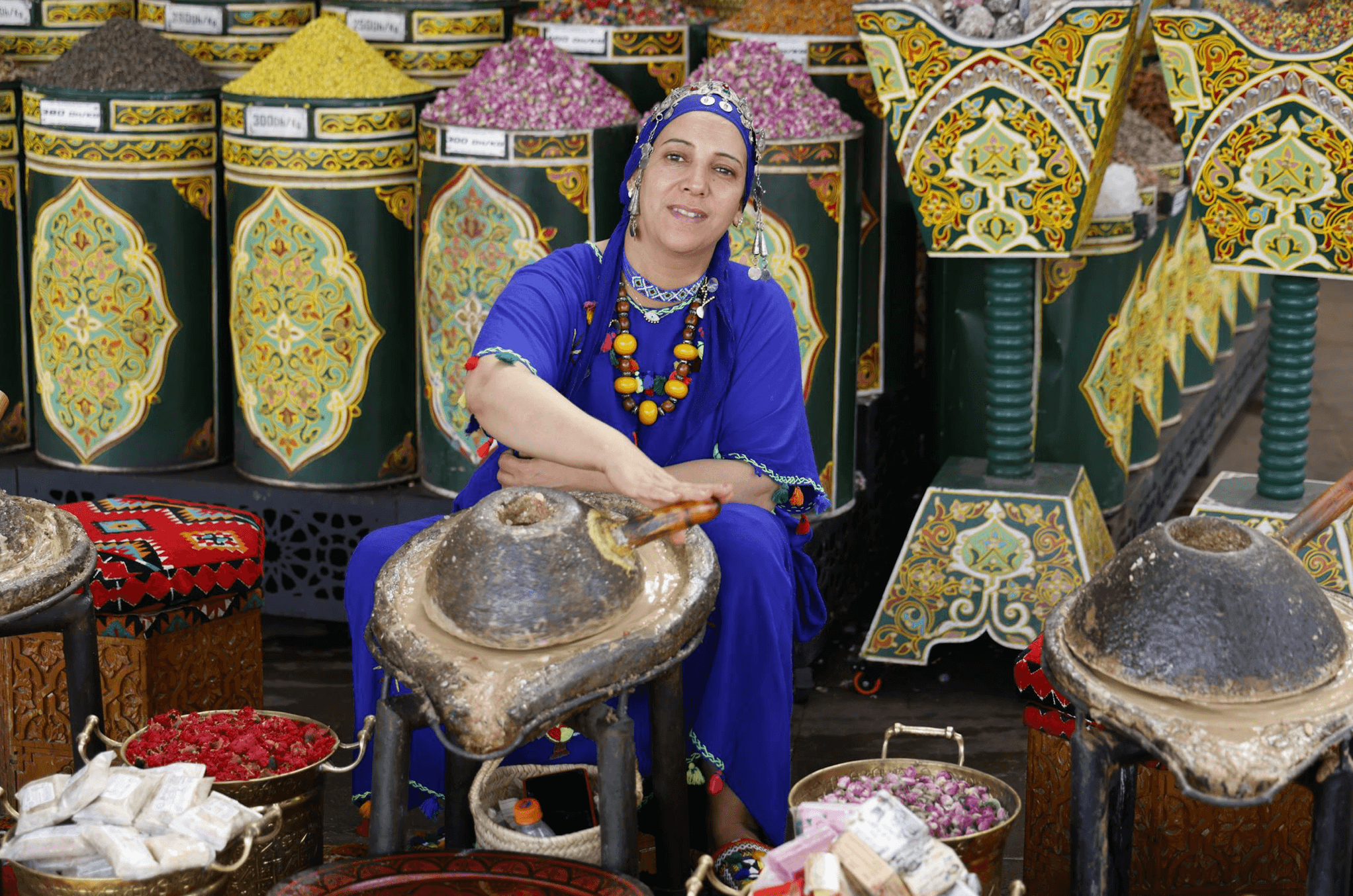
Moreover, the Argan tree plays a significant role in local social structures. The production of argan oil, for instance, is a female-led endeavor. Women's cooperatives are responsible for the labor-intensive process of extracting the oil from the tree's fruit. This not only provides them with a source of income, but also strengthens their social status and promotes gender equality in these traditionally male-dominated societies.
The Argan tree is also integral to the cultural landscape of the region. The Arganeraie Biosphere Reserve, a UNESCO site since 1998, is an area where the Argan tree is protected and its traditional uses are preserved. The reserve is a living testament to the harmonious coexistence of man and nature.
The symbolic significance of the Argan tree is also reflected in art and literature. The tree is often depicted in local artwork, representing the unique beauty of the region. Furthermore, the Argan tree is a recurring motif in Amazigh poetry and music, symbolizing life, love, and resistance.
In addition, the Argan tree has a significant role in environmental conservation. Its deep root system helps prevent soil erosion, while its canopy provides shade and habitat for various wildlife species. Moreover, the tree plays a crucial role in maintaining the local biodiversity and combating desertification, which is a major environmental challenge in the region.
However, the Argan tree is under threat due to overexploitation and climate change. Efforts are underway to protect and conserve this culturally and ecologically significant tree. For instance, the Moroccan government has launched a program to plant millions of Argan trees by 2022. This reflects the recognition of the tree's cultural, economic, and environmental significance, and the need to preserve this heritage for future generations.
Overall, the Argan tree is much more than just a tree. It is a symbol of resilience, prosperity, and life. It is a source of livelihood, a sacred element in local rituals, and a beacon of women's empowerment. It is a vital part of the cultural landscape and a key player in environmental conservation. It is a testament to the enduring relationship between the local people and their environment, a relationship of mutual dependence and respect. As such, the Argan tree truly embodies the essence of the region, its people, and their culture.
The Argan tree, scientifically known as Argania Spinosa, is a unique, enchanting tree native to Morocco. It has an exceptional aesthetic appeal, with a gnarled trunk that twists and turns in random patterns, creating an artistic spectacle that can leave observers in awe. The leaves are small, oval, and dark green, with a glossy surface that reflects sunlight in a pleasant, soothing manner. The Argan tree’s branches spread wide, forming a canopy that provides a cool, welcoming shade under the scorching Moroccan sun.
The tree produces small yellow flowers, which add a delicate touch to the rugged appearance of the tree. These flowers later give way to Argan nuts, which are encased in a thick, hard shell. The nuts contain the precious Argan oil, known for its numerous health and beauty benefits. The contrast between the rough exterior of the tree and the valuable treasure it holds within enhances its aesthetic appeal. The Argan tree is not just a tree; it’s a living testament to the beauty of resilience and survival.
Experiencing the Argan tree is a unique encounter. It starts with the visual appeal of the tree, but it doesn’t end there. The tree has a peculiar scent, a mix of earthy and nutty tones, which can be quite intoxicating. As you walk closer, you can hear the rustling of the leaves in the wind, a soothing sound that can calm the most troubled soul. If you’re lucky enough to visit during the harvest season, you can witness the local women skillfully extracting the Argan oil, a traditional process that has been handed down through generations.
But the experience of the Argan tree isn’t limited to the senses. It’s also about understanding the tree’s importance to the local communities and the environment. The Argan tree plays a crucial role in maintaining the local ecology. Its deep roots help prevent soil erosion and desertification, while its leaves and fruits provide food for local wildlife. The tree is also a source of livelihood for many local communities, especially women who are involved in the production of Argan oil.
And then, there’s the taste of Argan oil, a culinary delight that’s hard to describe. Its unique, nutty flavor can transform the most ordinary dish into a gastronomic masterpiece. Whether it’s used for cooking or as a salad dressing, Argan oil adds a distinctive touch that’s hard to replicate.
The Argan tree is not just about physical beauty; it’s also about the beauty of life itself. It represents the circle of life, from the budding of the flowers to the formation of the nuts, the extraction of the oil, and finally, its use in various aspects of human life. It’s a symbol of survival and resilience, standing tall and proud in the harsh, arid conditions of southwestern Morocco.
Despite the challenges, the Argan tree continues to thrive, providing shelter, food, and livelihood to many. It’s a tree that commands respect and admiration. Its rugged beauty, combined with the valuable benefits it offers, makes the Argan tree a truly remarkable creation of nature.
So, whether you’re admiring the Argan tree from a distance, standing under its shade, or enjoying the fruits of its labor, remember that it’s not just a tree. It’s an experience – an experience that involves all your senses and emotions, an experience that leaves you with a deep appreciation for nature and its wonders.
The Argan tree is an aesthetic and experiential wonder, a testament to nature’s ability to create beauty in the most unexpected places. Its enduring spirit, coupled with its exceptional beauty and beneficial properties, makes it a symbol of hope and resilience. It stands as a reminder that even in the harshest of conditions, life finds a way to thrive and flourish.
Encyclopedia Britannica: Argan
ScienceDirect: Argania Spinosa
European Medicines Agency: Argania Spinosa L. Skeels
World Atlas: Where Does The Argan Tree Grow
Food and Agriculture Organization of the United Nations: Argan oil, Morocco's desert gold
ScienceDirect: Argan oil: From traditional uses to scientific research
ResearchGate: The Argan Tree (Argania Spinosa)
NCBI: Argan oil and its benefits in health
SpringerLink: Argan oil: which benefits on cardiovascular diseases
ScienceDirect: Virgin argan oil: Processing and potential in human health
NCBI: Traditional and modern uses of argan oil
IUCN Red List: Argania Spinosa
ScienceDirect: Argan oil: From traditional uses to scientific research
ResearchGate: Argan Oil: The Golden Liquid from Morocco that Conquers the World
ScienceDirect: Argan oil: The key to healthy aging
MDPI: Argan Oil: Other Uses and Pharmacological Potentials
Cambridge Core: Argan tree seed germination (Argania Spinosa)
Frontiers: The Argan tree as a resistant climate species
Elsevier: Argan Oil: Production, Processing, Quality and Medicinal Properties
ScienceDirect: Argan oil: From traditional uses to scientific research
ScienceDirect: Argan oil: From traditional uses to scientific research
ScienceDirect: Argan oil: From traditional uses to scientific research
ScienceDirect: Argan oil: From traditional uses to scientific research