
loading...


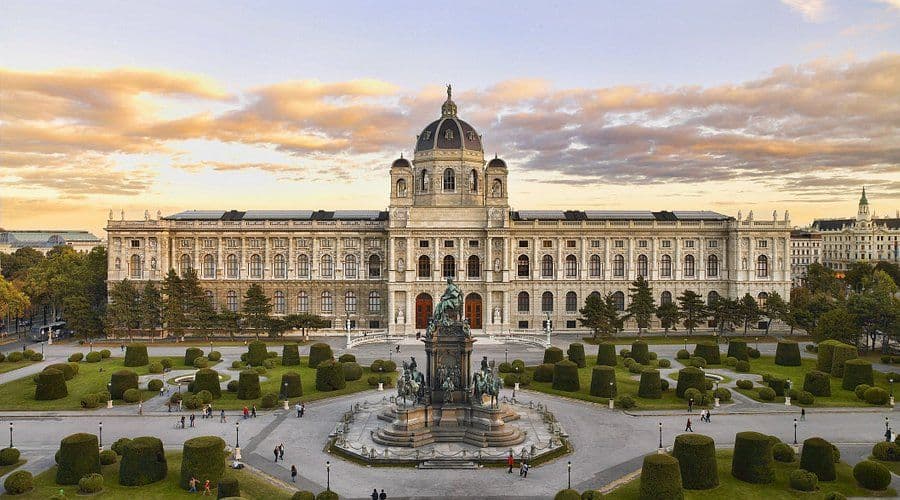
The Kunsthistorisches Museum is an art museum in Vienna, Austria. It is the largest art museum in the country and it was opened around 1891 at the same time as the Natural History Museum, by Emperor Franz Joseph I of Austria-Hungary. The museum's primary collections are those of the Habsburgs, particularly from the portrait and armour collections of Ferdinand of Tirol.
Overview
The Kunsthistorisches Museum, also known as the Museum of Art History, is one of the preeminent museums in the world. Located in Vienna, Austria, the museum is home to an extensive collection of artworks and historical artifacts. The museum is housed in a palatial building that is a work of art in its own right, with its grand staircases, intricate frescoes, and ornate architectural details.
The museum was founded by Emperor Franz Joseph I and opened in 1891. The emperor wanted to make the vast Habsburg collection accessible to the public, and the Kunsthistorisches Museum was the result. Its collection spans over 5,000 years of human history, from Ancient Egypt to the late 18th century.
The Kunsthistorisches Museum is best known for its Picture Gallery, which contains numerous masterpieces by European artists. This includes works by Titian, Vermeer, Velázquez, Dürer, and Rubens. The museum also houses the world’s largest Bruegel collection, a name synonymous with Flemish Renaissance painting.
One of the highlights of the Picture Gallery is the Madonna of the Meadow by Raphael. This early 16th-century painting is considered one of Raphael’s masterpieces, with its harmonious composition and soft, glowing colors. Another gem in the museum's collection is The Tower of Babel by Pieter Bruegel the Elder. This painting is famous for its intricate detail and its allegorical depiction of the biblical story.
Aside from the Picture Gallery, the Kunsthistorisches Museum also has several other departments. The Egyptian and Near Eastern Collection holds a vast array of artifacts from these ancient civilizations, including mummies, statues, and jewelry. The Collection of Greek and Roman Antiquities contains numerous vases, sculptures, and bronze works.
The Kunstkammer Wien is another highlight of the museum. It is considered one of the most important chambers of art and wonders in the world. Here, visitors can see a collection of precious objects made of gold, ivory, and other precious materials. These include the famous Saliera, a gold salt cellar made by Benvenuto Cellini, one of the most accomplished goldsmiths and artists of the Renaissance.
The museum also has a department of Arms and Armour displaying suits of armor and weapons from the Middle Ages to the 17th century. The Collection of Historic Musical Instruments, meanwhile, showcases instruments used by famous composers like Mozart and Beethoven.
The Kunsthistorisches Museum is not just a place to see art and artifacts. It also carries out research and conservation work. The museum’s team of experts conducts research on the items in the collection to learn more about their history and significance. They also work to preserve the items for future generations.
The museum offers a range of educational programs and activities for visitors of all ages. This includes guided tours, workshops, and lectures. The museum also hosts temporary exhibitions, concerts, and special events throughout the year.
The Kunsthistorisches Museum is a must-visit for anyone interested in art and history. With its vast collection and impressive building, it offers a unique and enriching experience for its visitors. Whether you are an art connoisseur, a history buff, or simply a curious visitor, the Kunsthistorisches Museum has something to offer you.
In recent years, the museum has become increasingly popular with tourists. Despite this, it remains a place of quiet contemplation where visitors can immerse themselves in the world of art and history. The Kunsthistorisches Museum is indeed a treasure trove of human creativity and a testament to our shared cultural heritage.
Key Highlights & Collections
Located in Vienna, the Kunsthistorisches Museum, also known as the Museum of Art History, is one of the premier museums in the world. It was opened in 1891 and has been a gem in the world of art ever since, housing an impressive collection of ancient artifacts, classical paintings, and stunning sculptures. It was built to house the extensive collections of the imperial family, and now it has opened its doors to the public to marvel at these wonders.
The museum is a testament to the Habsburgs love for art and their long rule over the Austrian empire. The building itself is a piece of art, designed in the Italian Renaissance style by Gottfried Semper and Karl von Hasenauer, with an octagonal dome and intricate details. As you walk through its grand corridors, you will be transported to a different era, where art and culture were deeply appreciated and valued.
The Picture Gallery is one of the main highlights of the museum. It houses one of the largest and most important collections of European painting in the world. You can find works by artists such as Raphael, Vermeer, Velázquez, and Rembrandt. One of the most famous paintings is the Tower of Babel by Pieter Bruegel the Elder. This painting depicts the biblical story of the tower that was built to reach heaven and the subsequent confusion of languages. The artist's attention to detail and the use of color make it a must-see.
The Egyptian and Near Eastern Collection is another key attraction. It contains unique artifacts dating back to 4,000 BC. From the life-sized statue of an Egyptian scribe to the ornate jewelry of the pharaohs, the collection showcases the grandeur of the ancient civilizations. The hieroglyphic inscriptions, the colorful tomb paintings, and the intricately carved statues provide a glimpse into the past and the rich culture of the Egyptians and their neighbors.
Another significant collection is the Kunstkammer, which translates to the 'Chamber of Art and Wonders'. It is a collection of over 2,200 objects spanning over a millennium. It includes sculptures, timepieces, scientific instruments, and other unusual objects. One of the most famous items is the Saliera, a gold-plated salt cellar designed by Benvenuto Cellini. It is considered one of the most valuable objects in the museum due to its detailed craftsmanship and historical significance.
The museum also houses the Collection of Greek and Roman Antiquities. This collection contains a variety of ancient Greek and Roman artifacts, including vases, sculptures, and jewelry. It provides an insight into the artistic and cultural developments of these ancient civilizations. One of the highlights of this collection is the Gemma Augustea, a large cameo that illustrates Roman imperial power.
The Collection of Sculpture and Decorative Arts is another important part of the museum. It showcases European sculptural work from the Middle Ages to the late 18th century. The collection includes remarkable works like the Krumau Madonna and the Hercules and Nessus statue. The decorative arts section displays a wide range of objects such as tapestries, furniture, and ceramic items from different periods and regions.
Lastly, the Coin Cabinet is a treasure trove for numismatists. It holds over 700,000 objects including coins, medals, banknotes, and paper currency. It is one of the five biggest and most important collections of its kind in the world. Among its highlights is the Vienna pfennig from the 12th century and the gold ducat of Emperor Maximilian I.
In conclusion, the Kunsthistorisches Museum is a treasure trove of art and culture. Its extensive collections showcase the artistic prowess and cultural richness of various civilizations, from the ancient Egyptians to the European Renaissance. Each artifact and painting tells a story, providing insight into the lives and beliefs of the people from the past. A visit to this museum is not just a visual treat, but also a journey through history.
Visitor Experience
The Kunsthistorisches Museum, or Museum of Art History, is a must-visit destination for art lovers in Vienna. The grandeur of the building itself is a spectacle, but it is the vast collection of art and artifacts that truly captivate visitors. The museum is known for its extensive collection of paintings, sculptures, antiquities, and other works of art from various periods and cultures.
From the moment you enter the museum, the grandeur of the building is apparent. The architecture is a stunning example of the neo-Renaissance style, and the interior is beautifully decorated with marble, stucco ornaments, and frescoes. The grand staircase, topped with a dome decorated with allegorical paintings by Austrian artist Gustav Klimt, is a breathtaking sight that prepares visitors for the beauty that awaits inside the galleries.
The museum is home to an impressive collection of European paintings and sculptures, including masterpieces by artists such as Titian, Vermeer, Velázquez, Rubens, and Rembrandt. The Picture Gallery, the heart of the museum, houses one of the most significant collections of European painting in the world. Visitors can spend hours exploring the rooms filled with works from the Middle Ages to the late 18th century.
The Egyptian and Near Eastern Collection transports visitors back to the ancient world with its vast array of artifacts. The collection includes intricately carved reliefs, statues, jewelry, and everyday objects, providing an insight into the cultures and civilizations that flourished in the Nile Valley, the ancient Near East, and the Arabian Peninsula.
The Kunstkammer Vienna is another highlight of the museum. It is considered the most important collection of its kind in the world, showcasing a variety of unique artworks and curiosities from the Middle Ages, Renaissance, and Baroque periods. The collection includes sculptures, precious stones, clocks, scientific instruments, and other objects of art.
For those interested in classical antiquity, the Greek and Roman Antiquities Collection offers a comprehensive overview of ancient Greek and Roman art. The collection includes vases, sculptures, terracottas, and bronzes, as well as a vast collection of coins and medals. The Hall of Antiquities, with its towering marble statues and intricate mosaics, is a sight to behold.
The museum also hosts a variety of temporary exhibitions, workshops, and events throughout the year, offering visitors the chance to engage with art in different ways. The museum's educational programs are designed to inspire and engage visitors of all ages, making it a family-friendly destination.
Another unique feature of the museum is its magnificent café located in the dome hall. The café is a great place to relax and enjoy a cup of coffee or a meal after exploring the museum. The ornate decorations and the stunning view of the museum's architecture add to the dining experience.
The Kunsthistorisches Museum's extensive collection, stunning architecture, and enriching programs offer a unique and unforgettable visitor experience. Whether you're an art enthusiast or a casual visitor, the museum has something to offer everyone. Its collection not only showcases the finest artworks but also provides a glimpse into the cultures and civilizations that shaped our world.
The museum's emphasis on visitor experience is evident in its accessibility features. The museum is wheelchair accessible, and there are also tactile models and descriptions in Braille for visually impaired visitors. Audio guides are available in different languages, making the museum accessible to international visitors. Children and young people under 19 years of age have free admission, and the museum also offers reduced admission for seniors, students, and groups.
In conclusion, a visit to the Kunsthistorisches Museum is not just about viewing art; it's about immersing oneself in the history and culture that the art represents. The museum offers an enriching and educational experience that leaves visitors with a deeper understanding and appreciation of art and its role in shaping human civilization.
References
Share with friends
The Kunsthistorisches Museum is an art museum in Vienna, Austria. It is the largest art museum in the country and it was opened around 1891 at the same time as the Natural History Museum, by Emperor Franz Joseph I of Austria-Hungary. The museum's primary collections are those of the Habsburgs, particularly from the portrait and armour collections of Ferdinand of Tirol.
Museum Name
Kunsthistorisches Museum
Location
Vienna, Austria
Type of Museum
Art and History
Year Established
1891
Notable Collections/Features
Artworks of the Habsburg dynasty, Egyptian and Near Eastern Collection, Collection of Greek and Roman Antiquities, Picture Gallery, Kunstkammer Wien
Website


About
Where Wisdom Meets AI Utopia Edutainment
Wisdomia.ai is a 3D AI edutainment platform that seamlessly blends learning with immersive play. As the first AI-powered 3D Web 3.0 marketplace created by creators for creators. Founded by renowned serial entrepreneur and author Dinis Guarda, Wisdomia empowers individuals to flourish in an ecosystem designed for collective wisdom EQ. Join us in shaping humanity's future as we harness the power of AI to visualise and create a better world—where technology serves human potential, and innovation is guided by utopian wisdom.
Contact us
Produced by