
loading...


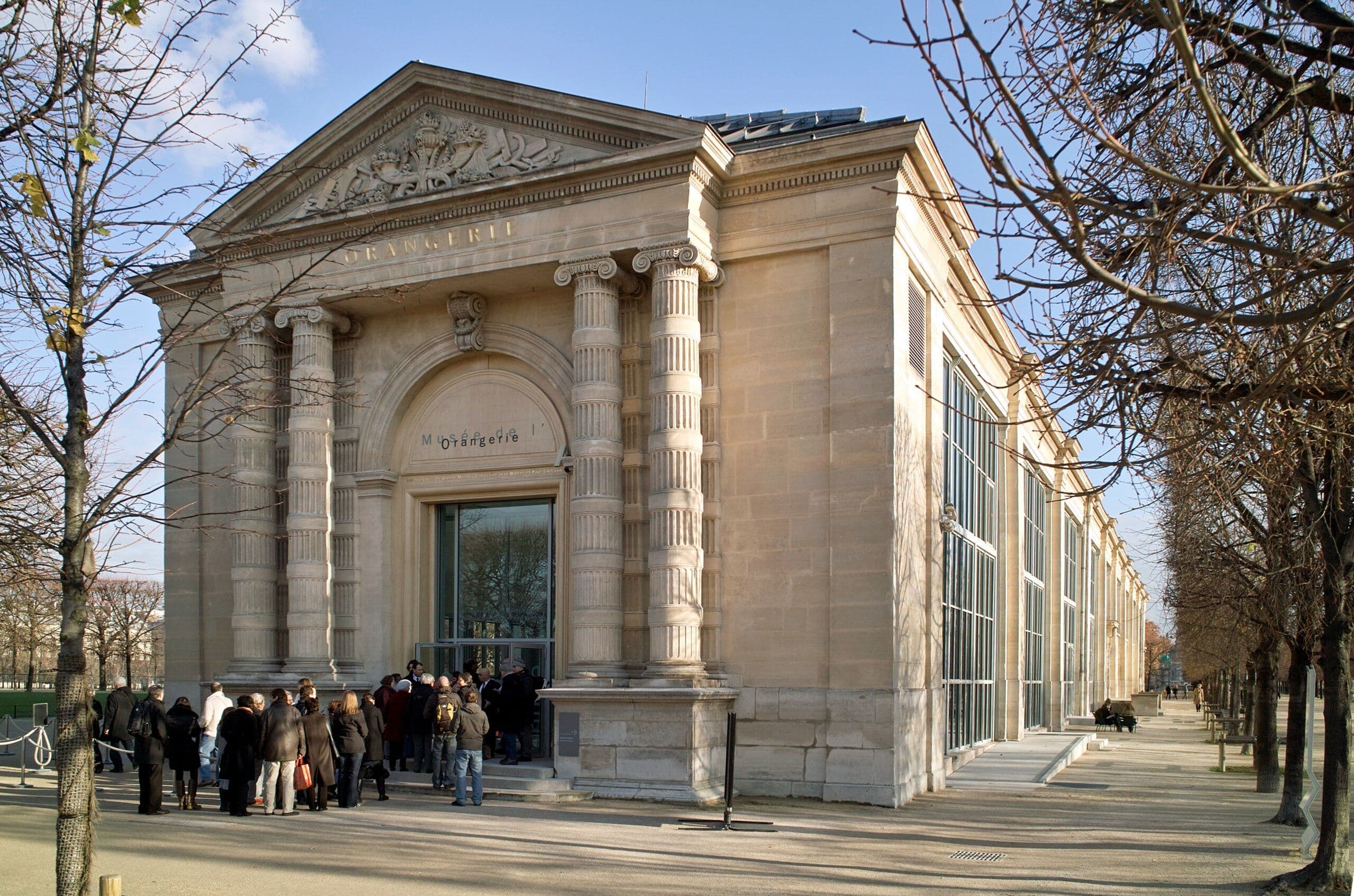
The Musée de l'Orangerie is an art gallery of Impressionist and post-Impressionist paintings located in the west corner of the Tuileries Gardens next to the Place de la Concorde in Paris.
Overview
The Musée de l'Orangerie is a renowned art gallery located in Paris, France. The museum is known globally for its extensive collection of impressionist and post-impressionist masterpieces. It is housed in the former Orangerie of the Tuileries Palace, located in the heart of Paris, on the Place de la Concorde, near the Seine River. The building was originally designed in 1852 by Firmin Bourgeois and Ludovico Visconti, later completed by Henri Deglane.
The museum is especially famous for being the permanent home for eight Water Lilies murals by Claude Monet. These are displayed in two oval rooms specially designed by Monet himself. This series of paintings was considered as Monets ultimate achievement in expressing his feelings about nature and its fleeting moments. The artist donated these paintings to the French State after the end of World War I as a symbol of peace.
In addition to the Water Lilies, the Musée de l'Orangerie also houses the Walter-Guillaume Collection of impressionist paintings. This collection was originally privately owned by Paul Guillaume, a French art dealer, and his wife Domenica. After her second marriage to architect Jean Walter, the collection was renamed the Walter-Guillaume Collection. It contains important works by artists such as Pierre-Auguste Renoir, Paul Cézanne, Henri Matisse, Amedeo Modigliani, Pablo Picasso, and others.
The Walter-Guillaume Collection is displayed in a series of rooms on the ground floor of the museum. Each room is dedicated to a specific artist or group of artists, allowing visitors to experience the unique style and evolution of each artist. The collection is not arranged chronically, instead, it is divided into themes, providing an interesting and insightful journey through the development of modern art.
The museum underwent a significant renovation between 2000 and 2006. The aim of the renovation was to restore the building to its original state and improve the presentation of the artworks. The renovation project included the creation of a new entrance, a bookstore, and an educational area. The oval rooms housing Monets Water Lilies were also restored to their original design, enhancing the immersive experience for visitors.
Today, the Musée de l'Orangerie is recognized as a national museum and is managed by the French Ministry of Culture. It attracts art lovers and tourists from all over the world, who come to admire its exceptional collection. The museum also organizes temporary exhibitions, educational activities, and cultural events throughout the year, contributing to its dynamic role in the cultural life of Paris.
The museum is not just a place to admire artworks; it also plays a crucial role in preserving and promoting cultural heritage. It is involved in various research projects, focusing on art history and conservation. It also collaborates with other museums and institutions, both nationally and internationally, to share expertise and resources.
Visiting the Musée de l'Orangerie provides a unique opportunity to immerse oneself in the world of impressionist and post-impressionist art. The museum's tranquil atmosphere and carefully curated collection make it an ideal place for contemplation and appreciation of art. It is a testament to the enduring appeal of these art movements and the artists who defined them.
Each visit to the Musée de l'Orangerie offers a different experience, as the museum continually works to enhance its displays and provide new perspectives on its collection. Whether you are an art enthusiast or a casual visitor, the museum is a must-visit destination when in Paris, offering a deep dive into some of the most influential movements in art history.
Key Highlights & Collections
The Musée de l'Orangerie, located in the heart of Paris, France, is a renowned art gallery known for its outstanding collection of Impressionist and Post-Impressionist masterpieces. The museum is housed in the former Orangerie of the Tuileries Palace on the banks of the River Seine, right opposite the Louvre. It is particularly famous for being home to eight of Claude Monet's Water Lilies murals, which are displayed in two elliptical rooms designed by the artist himself.
One of the highlights of the Musée de l'Orangerie is undoubtedly the Water Lilies series. These iconic paintings, which depict Monet's flower garden at Giverny, are widely regarded as some of the crowning achievements of 20th century art. They are displayed in two oval rooms that were specifically designed by Monet to showcase his masterpieces. The rooms offer a panoramic view of the paintings, creating a unique immersive experience. The lighting and the layout of the rooms were also carefully planned by Monet to enhance the viewing experience.
Another key highlight of the museum is the Walter-Guillaume Collection. This impressive collection, which was bequeathed to the French state by art dealer Paul Guillaume and his wife Domenica, includes works by some of the most prominent artists of the late 19th and early 20th centuries. Visitors to the museum can admire works by masters such as Renoir, Cézanne, Modigliani, Matisse, Picasso, Soutine, Derain and others. The collection is particularly notable for its exceptional ensemble of works by Modigliani and Soutine.
The museum also hosts temporary exhibitions that showcase works from other collections or highlight specific aspects of the permanent collection. These exhibitions often focus on a particular artist, movement, or theme, and provide an opportunity for visitors to delve deeper into the art of the period. In addition to the exhibitions, the museum also offers a range of educational programs and activities designed to engage and inspire visitors of all ages.
Among the most distinguished pieces in the Walter-Guillaume Collection are Renoir's 'Young Girls at the Piano', Modigliani's 'Paul Guillaume, Novo Pilota', Cézanne's 'Still Life with Bottle and Apple Basket' and 'The Bather', Matisse's 'Odalisque with Magnolias' and 'Still Life with Magnolias', Picasso's 'The Painter and His Model', and Soutine's 'View of Céret'. These works, among others, make the collection at the Musée de l'Orangerie a treasure trove for art enthusiasts.
The museum's collection is not just confined to paintings. It also houses a variety of sculptures, graphic arts, and decorative objects, providing a comprehensive overview of the artistic currents that shaped the late 19th and early 20th centuries. The museum's collection is constantly evolving, with new acquisitions and donations further enriching the already impressive array of art on display.
Despite its relatively small size, the Musée de l'Orangerie offers a unique and intimate art experience. Its carefully curated collection and the unique presentation of Monet's Water Lilies make it a must-visit destination for anyone interested in Impressionist and Post-Impressionist art. It's not just the art that impresses visitors, but also the museum's setting. Located in the heart of Paris, surrounded by the beauty of the Tuileries Gardens, the museum offers an experience that is as visually stunning as it is culturally enriching.
The Musée de l'Orangerie is more than just a museum; it's a testament to the enduring appeal and influence of Impressionist and Post-Impressionist art. It's a place where visitors can truly immerse themselves in the beauty and brilliance of these artistic movements. Whether you're an art aficionado or a casual visitor, the Musée de l'Orangerie is sure to leave a lasting impression.
From Monet's enchanting Water Lilies to the impressive works in the Walter-Guillaume Collection, the Musée de l'Orangerie offers a unique glimpse into the world of Impressionist and Post-Impressionist art. It's not just a place to view art; it's a place to experience art in its most sublime form. Each visit to the museum offers a new perspective, a new insight, and a new appreciation for the transformative power of art.
Overall, the Musée de l'Orangerie is a testament to the enduring legacy and influence of Impressionist and Post-Impressionist art. The museum's unique collection, combined with its idyllic location and the immersive presentation of Monet's Water Lilies, make it a must-visit destination for any art lover. Whether you're a seasoned art enthusiast or a first-time visitor, the Musée de l'Orangerie is sure to offer an unforgettable experience.
Visitor Experience
The Musée de l'Orangerie, located in the heart of Paris, France, offers a rich and mesmerizing visitor experience. This charming museum, nestled in the corner of the Tuileries Gardens, is home to some of the most significant impressionist and post-impressionist masterpieces, including Claude Monet's Water Lilies series, which are beautifully showcased in two oval rooms designed by the artist himself.
The museum is small and intimate, enabling visitors to fully immerse themselves in the artwork without feeling overwhelmed. The collection, though not extensive, is carefully curated, showcasing the works of masters like Renoir, Cézanne, Picasso, and Matisse, among others. The museum's compact size allows for a more personal, intimate exploration of the artwork, making it a must-visit for art lovers.
From the moment one steps into the museum, they are welcomed with a sense of calm and tranquility. The design and layout of the museum enhance the visitor experience, with natural lighting, soothing colors, and a layout that encourages a natural flow from one artwork to another. For many visitors, the highlight of the museum is undoubtedly the two rooms dedicated to Monet's Water Lilies. These oval-shaped rooms, with their curved walls and soft lighting, create an immersive environment that allows visitors to fully appreciate the scale and beauty of these iconic works.
The museum also offers a variety of educational resources for visitors. Audio guides are available in several languages, providing insightful commentary on the artwork. There are also numerous information boards throughout the museum, offering a deeper understanding of the art and the artists who created them. For younger visitors, the museum offers a range of educational activities and workshops, making it a family-friendly destination.
Visitors can also enjoy a leisurely stroll through the Tuileries Gardens after their museum visit. These beautiful gardens, which date back to the 16th century, are an oasis of tranquility in the bustling city of Paris. Visitors can admire the beautiful sculptures, fountains, and flower beds, or simply relax by the pond and watch the world go by.
The museum's gift shop is a treasure trove of art-related items, including prints, books, postcards, and souvenirs. It's the perfect place to pick up a memento of your visit or a gift for an art-loving friend. The museum also has a small café, where visitors can enjoy a cup of coffee or a light snack.
Accessibility is another strong point of the Musée de l'Orangerie. The museum is fully accessible for visitors with disabilities, with wide doorways, ramps, and elevators. Wheelchairs are also available for loan. The museum also offers tactile tours for visually impaired visitors, allowing them to touch and feel certain sculptures.
The Musée de l'Orangerie offers a unique and rewarding visitor experience. Whether one is an art enthusiast or just curious, the museum provides an opportunity to explore and appreciate some of the most important works of impressionist and post-impressionist art in a serene and beautiful setting. A visit to the Musée de l'Orangerie is not just a visit to a museum; it's a journey into the heart of the art world and a chance to see some of the most iconic works of art in a new light.
Overall, the visitor experience at the Musée de l'Orangerie extends beyond simply viewing art. It’s about immersing oneself in the stories and emotions conveyed through these masterpieces, gaining a deeper understanding of the artists and their work, and appreciating the beauty and tranquility of the museum's unique setting. Whether one is a seasoned art lover or a first-time visitor, the Musée de l'Orangerie offers a visitor experience that is both enriching and unforgettable.
References
*Official Website of Musée de l'Orangerie
*Wikipedia: Musée de l'Orangerie
*Paris Digest: Musée de l'Orangerie
*Paris Pass: Musée de l'Orangerie
*Lonely Planet: Musée de l'Orangerie
*TripAdvisor: Musée de l'Orangerie
*Paris Museum Pass: Musée de l'Orangerie
*Frommers: Musée de l'Orangerie
*Musement: Musée de l'Orangerie
*Art Institute of Chicago: The Orangerie, Musée de l'Orangerie, Paris
*Visit A City: Musée de l'Orangerie
*Fodors Travel: Musée de l'Orangerie
*Rick Steves: Monet's Water Lilies at the Orangerie
*Atlas Obscura: Musée de l'Orangerie
*Get Your Guide: Musée de l'Orangerie
*Time Out: Musée de l'Orangerie
*Art News: Musée de l'Orangerie Appoints Célia Bernasconi as Director
Share with friends
The Musée de l'Orangerie is an art gallery of Impressionist and post-Impressionist paintings located in the west corner of the Tuileries Gardens next to the Place de la Concorde in Paris.
Museum Name
Musée de l'Orangerie
Location
Jardin des Tuileries, Paris, France
Type of Museum
Art Museum
Year Established
1927
Notable Collections/Features
Impressionist and post-Impressionist paintings, Monet's Water Lilies




About
Where Wisdom Meets AI Utopia Edutainment
Wisdomia.ai is a 3D AI edutainment platform that seamlessly blends learning with immersive play. As the first AI-powered 3D Web 3.0 marketplace created by creators for creators. Founded by renowned serial entrepreneur and author Dinis Guarda, Wisdomia empowers individuals to flourish in an ecosystem designed for collective wisdom EQ. Join us in shaping humanity's future as we harness the power of AI to visualise and create a better world—where technology serves human potential, and innovation is guided by utopian wisdom.
Contact us
Produced by