
loading...


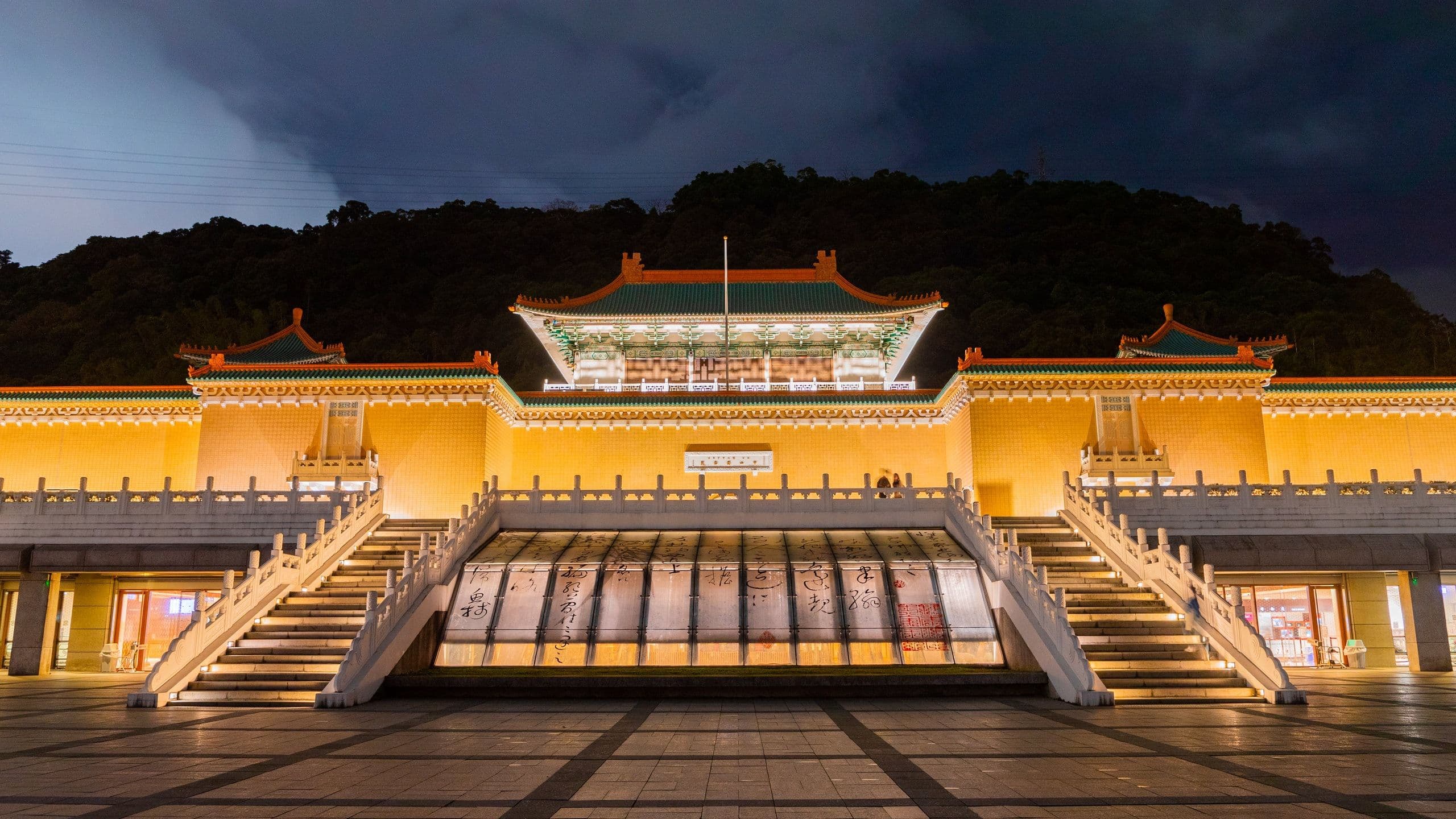
The National Palace Museum, located in Taipei and Taibao, Taiwan, has a permanent collection of nearly 700,000 pieces of ancient Chinese imperial artifacts and artworks, making it one of the largest of its type in the world. The collection encompasses 8,000 years of history of Chinese art from the Neolithic age to the modern.
Overview
The National Palace Museum, situated in Taipei, Taiwan, is an illustrious repository of ancient Chinese artifacts and artworks, boasting a collection that narrates over 8,000 years of Chinese history. Considered one of the largest and most significant museums in the world, it houses an extensive collection of over 700,000 ancient Chinese imperial artifacts and artworks, making it a must-visit destination for art and culture enthusiasts worldwide.
The museum's collection has an interesting history of its own. Many of the artifacts were part of the Chinese imperial collection, which started over 1,000 years ago in the early Song Dynasty. The collection was initially housed in the Forbidden City, Beijing's imperial palace. However, during the Chinese Civil War, the collection was evacuated from the Forbidden City and part of it was transported to Taiwan for safekeeping. This collection forms the core of what is now the National Palace Museum.
The National Palace Museum is renowned for its expansive collection of Chinese artifacts and artworks, which include ceramics, calligraphy, paintings, bronzeware, jade, and religious artifacts. The museum's collection spans many different periods and dynasties in Chinese history, offering visitors a comprehensive understanding of the country's rich cultural heritage. Among the museum's most famous items are the Jadeite Cabbage, a piece of jade carved to resemble a cabbage head, and the Meat-Shaped Stone, a piece of jasper carved and colored to resemble a piece of pork.
The National Palace Museum is not just a place for viewing artifacts and artworks. It also serves as a cultural institution that promotes research, conservation, and education in the field of Chinese art and culture. The museum organizes regular exhibitions, both permanent and temporary, to showcase its vast collection. It also regularly hosts educational programs and activities to promote a deeper understanding and appreciation of Chinese culture.
The museum's architecture is also a sight to behold. Designed in the traditional Chinese palace style, the museum's grandiose facade and beautifully landscaped gardens provide a majestic setting that enhances the visitor's experience. The museum's main building is built on a hill and overlooks the serene Keelung River, offering breathtaking views of the surrounding landscape. Inside, the museum is divided into several galleries, each dedicated to a specific period or theme in Chinese history.
The National Palace Museum also has two branches: the Southern Branch in Chiayi and the Zhishan Garden in Taipei. The Southern Branch, opened in 2015, focuses on Asian art and culture, featuring items from China, Japan, India, and Persia. The Zhishan Garden, on the other hand, is a traditional Chinese garden that offers a peaceful retreat from the hustle and bustle of the city.
Visiting the National Palace Museum is a journey into the heart of Chinese culture and history. The museum not only has an awe-inspiring collection of artifacts and artworks but also offers a variety of cultural experiences, from traditional Chinese tea ceremonies to hands-on art workshops. Whether you're a history buff, an art lover, or just a curious traveler, the National Palace Museum offers an unforgettable cultural adventure.
Despite its vast collection, the museum manages to display only a fraction of its treasures at a time due to space constraints. This means the exhibits are regularly rotated, offering visitors a fresh experience each time they visit. The museum also offers audio guides and guided tours in various languages to enhance the visitor's experience.
From its incredible collection to its educational programs, the National Palace Museum serves as a beacon of Chinese culture, offering visitors an immersive experience into the rich tapestry of China's history. Its commitment to preserving and promoting Chinese culture has earned it international recognition and made it a symbol of national pride for the people of Taiwan.
In conclusion, the National Palace Museum is more than just a museum. It's a window into the soul of Chinese culture, a bridge connecting the past and the present, and a testament to the enduring allure of Chinese art and history. With its vast collection, exceptional exhibitions, and engaging educational programs, the National Palace Museum stands as one of the world's premier cultural institutions.
Key Highlights & Collections
The National Palace Museum, located in Taipei, Taiwan, is one of the largest and most significant museums in the world. Its extensive collection covers over 10,000 years of Chinese history from the Neolithic age to the end of the Qing Dynasty. This impressive repository includes more than 700,000 pieces of precious artifacts and artworks, making it a treasure house of Chinese culture.
The museum's collection is divided into several categories, including bronzes, jades, ceramics, rare books, documents, paintings, and calligraphy. Each of these categories contains numerous unique and important pieces that reflect the breadth and depth of Chinese civilization.
One of the key highlights of the museum is its collection of Ancient Chinese bronzes. The museum has over 10,000 pieces of bronzes, which are known for their intricate designs and motifs. Among the most notable pieces in this collection is the Mao Gong Ding, a massive bronze ceremonial vessel from the Western Zhou Dynasty. It is renowned for its inscriptions that provide valuable insights into the history and society of that period.
The jade collection at the National Palace Museum is another major highlight. With over 30,000 pieces, it's one of the largest and most comprehensive collections of jade artifacts in the world. The collection spans several millennia, from the Neolithic age to the Qing Dynasty. The most famous piece in this collection is the Jadeite Cabbage, a small sculpture carved from a single piece of jade that cleverly incorporates the natural color variations of the stone to represent a cabbage head with a locust and a katydid.
The museum's ceramics collection is equally impressive. It comprises over 25,000 pieces, which range from simple Neolithic pottery to exquisite porcelains of the Ming and Qing dynasties. Notable pieces include the Ru ware, which is considered the rarest and most valuable type of Chinese ceramics, and the Chicken Cup, a small Ming Dynasty porcelain cup that is one of the most expensive pieces of Chinese ceramics ever sold at auction.
The museum's collection of rare books and documents is another important highlight. It includes over 200,000 volumes of rare books, many of which are the only surviving copies. The collection also includes the Yongle Encyclopedia, the world's largest known encyclopedia commissioned by a Chinese emperor in the Ming Dynasty.
The National Palace Museum's collection of paintings and calligraphy is another key highlight. It includes over 6,000 pieces, which span over a thousand years of Chinese art history. The collection includes works by some of the greatest painters and calligraphers in Chinese history, such as Zhao Mengfu, Qi Baishi, and Zhang Daqian.
Aside from the collections, the museum itself is a highlight. The main building is an imposing structure that combines traditional Chinese architectural elements with modern design principles. The museum also includes a garden, a library, a conservation center, and several exhibition halls.
The National Palace Museum also offers a wide range of educational programs and resources. It hosts regular exhibitions, lectures, and workshops. It also provides a variety of educational materials and digital resources, which are available on its website.
In conclusion, the National Palace Museum is a must-visit for anyone interested in Chinese culture and history. Its vast and diverse collection offers a comprehensive overview of Chinese civilization, from its earliest beginnings to the modern era. Whether you're an art enthusiast, a history buff, or just a curious visitor, the National Palace Museum is sure to offer an enriching and enlightening experience.
Visitor Experience
The National Palace Museum, located in Taipei, Taiwan, is an iconic cultural institution renowned for its extensive collection of ancient Chinese artifacts and artworks. The museum offers a unique and immersive experience for visitors, providing an in-depth exploration of the rich history and culture of China.
Upon entering the museum, visitors are greeted by an elegant architectural design that combines traditional Chinese elements with modern aesthetics. The museum's vast collection, which spans over 8,000 years of Chinese history, is housed in four floors, each dedicated to different historical periods and themes. The exhibits are meticulously curated and presented in a way that truly brings history to life.
The ground floor is home to the museum's special exhibitions, which change periodically and cover a wide range of topics. From ancient Chinese paintings to rare jade artifacts, these exhibitions offer visitors a chance to delve deeper into specific aspects of Chinese culture. The second floor is dedicated to the museum's permanent collection, featuring some of the most significant pieces in the museum's possession. This includes the famous Jadeite Cabbage, a piece of jade carved to resemble a cabbage head, and the Meat-shaped Stone, a piece of jasper that looks remarkably like a piece of braised pork belly.
On the third floor, visitors can discover the museum's collection of ancient Chinese calligraphy, one of the highest forms of Chinese art. The fourth floor, meanwhile, houses the museum's collection of rare books and historical documents, offering a glimpse into China's literary and scholarly traditions. The museum also features a Children's Gallery, where younger visitors can learn about Chinese culture through interactive exhibits and activities.
Throughout the museum, there are numerous multimedia displays and interactive touch screens, providing detailed information about the exhibits and enriching the overall visitor experience. The museum also offers guided tours in multiple languages, allowing visitors from all over the world to fully appreciate and understand the exhibits. For those who prefer to explore at their own pace, audio guides are available in various languages, offering detailed commentary and insights on the exhibits.
In addition to its exhibits, the National Palace Museum also boasts a range of facilities to enhance the visitor experience. There are several dining options, including a tea room where visitors can enjoy traditional Chinese tea and snacks, and a restaurant offering a range of dishes inspired by the museum's collection. The museum also has a well-stocked gift shop, where visitors can purchase souvenirs and replicas of the museum's artifacts.
The museum regularly hosts cultural events and workshops, such as traditional Chinese painting classes and calligraphy demonstrations, providing visitors with the opportunity to engage with Chinese culture in a hands-on way. The museum also has a library and a research center, which are open to the public and offer a wealth of resources for those interested in further studying Chinese culture and history.
For visitors wishing to take a break from exploring the exhibits, the museum is surrounded by beautiful gardens and parks. The Zhishan Garden, located on the museum grounds, is a classic Chinese garden with pavilions, terraces, and ponds, offering a tranquil retreat for visitors.
Overall, a visit to the National Palace Museum is a unique and enriching experience. The museum's vast collection, combined with its educational programs and facilities, provides visitors with a comprehensive understanding of Chinese culture and history. Whether you're a history buff, an art lover, or simply curious about Chinese culture, the National Palace Museum is a must-visit destination when in Taipei.
References
Share with friends
The National Palace Museum, located in Taipei and Taibao, Taiwan, has a permanent collection of nearly 700,000 pieces of ancient Chinese imperial artifacts and artworks, making it one of the largest of its type in the world. The collection encompasses 8,000 years of history of Chinese art from the Neolithic age to the modern.
Museum Name
National Palace Museum
Location
Taipei, Taiwan
Type of Museum
Art museum, Historic site
Year Established
1925
Notable Collections/Features
Collection of ancient Chinese imperial artifacts and artworks
Website



About
Where Wisdom Meets AI Utopia Edutainment
Wisdomia.ai is a 3D AI edutainment platform that seamlessly blends learning with immersive play. As the first AI-powered 3D Web 3.0 marketplace created by creators for creators. Founded by renowned serial entrepreneur and author Dinis Guarda, Wisdomia empowers individuals to flourish in an ecosystem designed for collective wisdom EQ. Join us in shaping humanity's future as we harness the power of AI to visualise and create a better world—where technology serves human potential, and innovation is guided by utopian wisdom.
Contact us
Produced by