
loading...


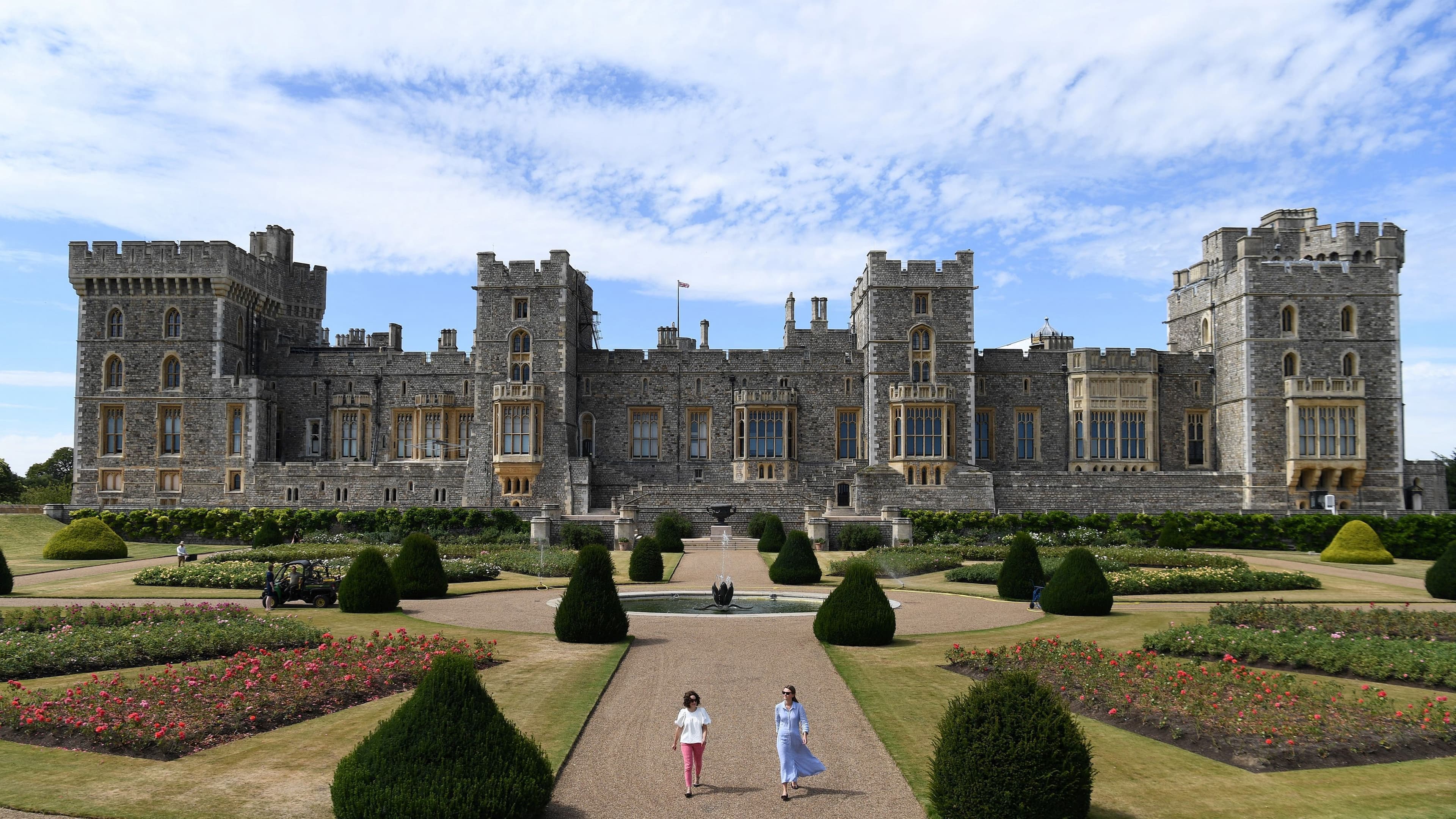
The Royal Castle in Warsaw is a castle residency that formerly served throughout the centuries as the official residence of the Polish monarchs. It is located in the Castle Square, at the entrance to the Warsaw Old Town. The personal offices of the king and the administrative offices of the Royal Court of Poland were located there from the sixteenth century until the Partitions of Poland.
Overview
The Royal Castle in Warsaw, Poland, is a historic monument of national and cultural significance. It is located in Castle Square, at the entrance to the Old Town. The Royal Castle, with its rich history, architectural grandeur, and significant art collection, is now a museum open to the public.
The castle has a long and complex history. Its origins can be traced back to the 14th century when it served as the residence of the Dukes of Masovia. Later, in the 16th century, it became the official residence of the Polish monarchs. Over the centuries, the castle has undergone numerous changes, expansions, and renovations. It has been the witness to many significant events in Polish history, including royal coronations, parliamentary deliberations, and the signing of the Constitution of 3 May 1791.
In the 18th century, the castle was one of the most sumptuous royal residences in Europe. It housed a rich collection of works of art, precious furniture, and oriental carpets. The castle was also home to the Great Sejm, the parliament of the Polish-Lithuanian Commonwealth. However, the castle’s fortunes changed dramatically in the 19th century. After the partitions of Poland, the castle was neglected and fell into disrepair. In the late 19th century, it was used by the Russian administration as a barracks and military hospital.
During World War II, the Royal Castle was almost completely destroyed by Nazi German forces. After the war, the castle was rebuilt from the ground up, thanks to the efforts of the Polish people and the government. The reconstruction of the castle was a symbol of the nation’s resilience and determination. Today, the castle stands as a testament to Poland’s rich history and cultural heritage.
The Royal Castle is now a museum that showcases the history and culture of Poland. The museum houses a permanent collection of art, including paintings, sculptures, textiles, ceramics, and silverware. Among the highlights of the collection are the Lanckoro?ski Collection, including two paintings by Rembrandt, and the collection of oriental art, which includes Turkish and Persian carpets and Chinese and Japanese ceramics.
In addition to the permanent exhibitions, the Royal Castle Museum also hosts temporary exhibitions, educational programs, and cultural events throughout the year. The museum also offers guided tours and educational workshops for visitors of all ages.
The Royal Castle is not just a museum, but also a venue for cultural events, concerts, lectures, and conferences. It is a place where the past and present meet. The castle is a symbol of the city of Warsaw and Poland, embodying the spirit of the nation’s history, culture, and traditions.
Visiting the Royal Castle is a journey through the centuries. From the medieval fortifications to the royal apartments, from the parliamentary halls to the art galleries, every corner of the castle tells a story. The castle’s architecture is a blend of different styles, from Gothic to Renaissance, from Baroque to Classicism. Each room in the castle has its own character and charm, reflecting the tastes and preferences of the different monarchs who resided there.
One of the highlights of the castle is the Great Assembly Hall, also known as the Ballroom. It is a magnificent room adorned with golden ornaments, crystal chandeliers, and a ceiling painted by the famous Italian artist Marcello Bacciarelli. The hall is a masterpiece of Polish Baroque architecture.
Another must-see is the King’s Apartment, consisting of several rooms, each decorated in a different style. The apartment includes the Canaletto Room, named after the Venetian painter Bernardo Bellotto, known as Canaletto, whose paintings of Warsaw hang in the room. The apartment also includes the Marble Room, where the walls are covered with marble panels, and the Throne Room, where the king’s throne is displayed.
The Royal Castle is also home to the Royal Library, which houses a collection of over 20,000 volumes, including valuable manuscripts, incunabula, and early printed books. The library also holds a significant collection of maps and atlases, as well as prints and drawings.
In conclusion, the Royal Castle in Warsaw is not just a historic monument, but a living museum that continues to inspire and educate. It is a testament to Poland’s rich history, cultural heritage, and resilience. A visit to the castle is a journey through the centuries, offering a glimpse into the past, while also providing a space for contemporary cultural and educational activities.
Key Highlights & Collections
The Royal Castle in Warsaw is a castle residency and was the official residence of the Polish monarchs. It is located in the Castle Square, at the entrance to the Warsaw Old Town. The personal offices of the king and the administrative offices of the Royal Court of Poland were located there from the sixteenth century until the Partitions of Poland. The Royal Castle in Warsaw is a UNESCO World Heritage Site.
The Royal Castle, due to its iconic appearance and its long history, is one of Warsaw's most recognizable landmarks. The structure, which had been severely damaged during the Second World War, was reconstructed and reopened to the public in the 1980s. Today, it serves as a museum and is visited by over 500,000 people every year.
The Royal Castle's collections are very diverse, containing numerous paintings, sculptures, fabrics, goldsmithery, furniture, and porcelain. Among the most important pieces in the collection are the works of Canaletto, the Italian painter known for his cityscape views, who painted views of Warsaw in the 18th century. These paintings provide a historical record of the appearance of Warsaw at the time and are a valuable source of information about the city's architecture.
The castle's collection also includes a significant collection of oriental art, including Turkish, Persian, and Chinese objects. The oriental collection includes carpets, tents, weapons, ceramics, and pieces of clothing, among other things. These objects were mostly brought to Poland during the 17th century, when the country was a major power in Europe and had extensive diplomatic and commercial contacts with the Ottoman Empire and the Safavid Empire in Persia.
The Royal Castle also houses a large collection of European paintings. The collection includes works by famous painters such as Rembrandt, Van Dyck, and Rubens. These paintings were part of the royal collections and were brought to Poland by the monarchs who bought them or received them as gifts. The collection also includes a significant number of Polish paintings, including works by Jan Matejko, one of the most important Polish painters of the 19th century.
The castle's collection of furniture is also impressive. The collection includes pieces from different periods and styles, from the Renaissance to the 20th century. The collection includes numerous pieces of furniture that belonged to the Polish kings and queens. Some of these pieces are still in their original place in the castle, giving visitors a clear idea of how the royal chambers looked like in the past.
The Royal Castle also has a significant collection of porcelain. The collection includes pieces from the most important European porcelain factories, such as Meissen, Sevres, and Vienna. The collection also includes a significant number of Polish porcelain pieces, including those produced by the famous Warsaw Porcelain Factory.
In addition to the permanent collections, the Royal Castle also hosts temporary exhibitions. These exhibitions often focus on specific aspects of Polish history or art, offering visitors a chance to learn more about the country's past and its cultural heritage. The castle also hosts concerts, lectures, and other cultural events, making it a vibrant center of cultural life in Warsaw.
The Royal Castle is not only a museum but also a symbol of the Polish nation. It was here that the Constitution of May 3, 1791, was adopted, the first modern constitution in Europe and the second in the world after the American Constitution. The Royal Castle, with its rich collections and its historical significance, is a must-see for anyone visiting Warsaw.
Visitor Experience
The Royal Castle in Warsaw, also known as Zamek Królewski, is a magnificent testament to the rich history and cultural heritage of Poland. It is a castle residency that once served as the official residence of Polish monarchs. Today, it stands as a symbol of Polish history and tradition, serving as a museum and cultural center for thousands of visitors from around the world. The Royal Castle is located in Castle Square, at the entrance to the Warsaw Old Town, and is among the most prominent tourist attractions in the city.
The Royal Castle was destroyed during World War II and was later rebuilt as a national monument. The reconstruction was a collective effort by the Polish people, and the castle now stands as a symbol of the nations resilience and indomitable spirit. The reconstruction was based on the castles 18th-century plans, and the result is a breathtakingly beautiful architectural marvel that leaves visitors spellbound.
As a museum, the Royal Castle houses an impressive collection of art, historical artifacts, and royal memorabilia. Visitors can explore the various rooms and chambers of the castle, each of which tells a unique story about the history of Poland. The collection includes royal portraits, historic furniture, royal insignia, and other artifacts. The museum also hosts a number of exhibitions, lectures, and workshops throughout the year, providing visitors with an insight into Polish culture and history.
The Castle is divided into several distinct sections, each with a unique character and purpose. The State Rooms, also known as the Representative Rooms, are where the Polish monarchs received their guests and conducted state affairs. These rooms are adorned with beautiful tapestries, paintings, and furniture, giving visitors a glimpse into the opulent lifestyle of the Polish monarchy. The King's Apartment, on the other hand, is where the monarchs lived and worked. This section of the Castle is decorated with rich fabrics and exquisite artwork, providing a sense of the personal lives of the monarchs.
The Courtroom is another highlight of the Royal Castle. This room was once the seat of the Polish parliament, and it is where some of the most important decisions in Polish history were made. The room is decorated with a beautiful ceiling fresco and is adorned with portraits of the Polish kings. The Throne Room, also known as the Great Audience Hall, is another must-see. This room is where the Polish monarchs held court and received foreign dignitaries. The room is dominated by a magnificent throne, which is a sight to behold.
Another interesting section of the Royal Castle is the Castle Museum. This museum houses a vast collection of artifacts and artwork from various periods in Polish history. The collection includes paintings, sculptures, furniture, and other artifacts that provide a comprehensive overview of Polish culture and history. The museum also hosts temporary exhibitions, providing visitors with a chance to learn about specific aspects of Polish history and culture.
The Royal Castle is not just an architectural marvel, but also a cultural hub. The castle hosts a number of cultural events throughout the year, including concerts, theater performances, and art exhibitions. It also serves as a venue for academic conferences and symposiums, making it a center for intellectual and cultural exchange. The Royal Castle also has a library and an archive, which are open to researchers and scholars.
The Royal Castle is a must-visit attraction for anyone visiting Warsaw. Whether you are a history buff, an art lover, or simply a curious traveler, the Royal Castle offers a unique and enriching experience. The castle provides a glimpse into the grandeur of the Polish monarchy, the resilience of the Polish people, and the rich cultural heritage of Poland. It is a place where history comes alive, and where visitors can immerse themselves in the beauty and majesty of Polish culture and tradition.
Visiting the Royal Castle is an unforgettable experience. The beauty and grandeur of the castle, the richness of its collections, the depth of its history, and the cultural events it hosts all combine to make it a must-see attraction in Warsaw. Whether you are exploring the castle's imposing halls, admiring its stunning artwork, or attending a cultural event, the Royal Castle offers a unique and enriching experience that you will cherish for a lifetime.
References
Official Website of the Royal Castle, Warsaw
Wikipedia page of the Royal Castle, Warsaw
In Your Pocket's guide on Royal Castle, Warsaw
TripAdvisor Reviews for Royal Castle, Warsaw
Visit a City's travel guide for Royal Castle, Warsaw
Frommer's travel guide on Royal Castle, Warsaw
Warsaw Life's travel tips for Royal Castle, Warsaw
Poland Unraveled's list of things to do in Warsaw including Royal Castle
European Best Destinations's page on Warsaw including Royal Castle
Share with friends
The Royal Castle in Warsaw is a castle residency that formerly served throughout the centuries as the official residence of the Polish monarchs. It is located in the Castle Square, at the entrance to the Warsaw Old Town. The personal offices of the king and the administrative offices of the Royal Court of Poland were located there from the sixteenth century until the Partitions of Poland.
Museum Name
Royal Castle, Warsaw
Location
Warsaw, Poland
Type of Museum
History and Art Museum
Year Established
1980
Notable Collections/Features
Works by Bernardo Bellotto, Rembrandt, Collection of oriental art, The Lanckoronski Collection, Icons, Old Polish Portrait Gallery


About
Where Wisdom Meets AI Utopia Edutainment
Wisdomia.ai is a 3D AI edutainment platform that seamlessly blends learning with immersive play. As the first AI-powered 3D Web 3.0 marketplace created by creators for creators. Founded by renowned serial entrepreneur and author Dinis Guarda, Wisdomia empowers individuals to flourish in an ecosystem designed for collective wisdom EQ. Join us in shaping humanity's future as we harness the power of AI to visualise and create a better world—where technology serves human potential, and innovation is guided by utopian wisdom.
Contact us
Produced by