
loading...


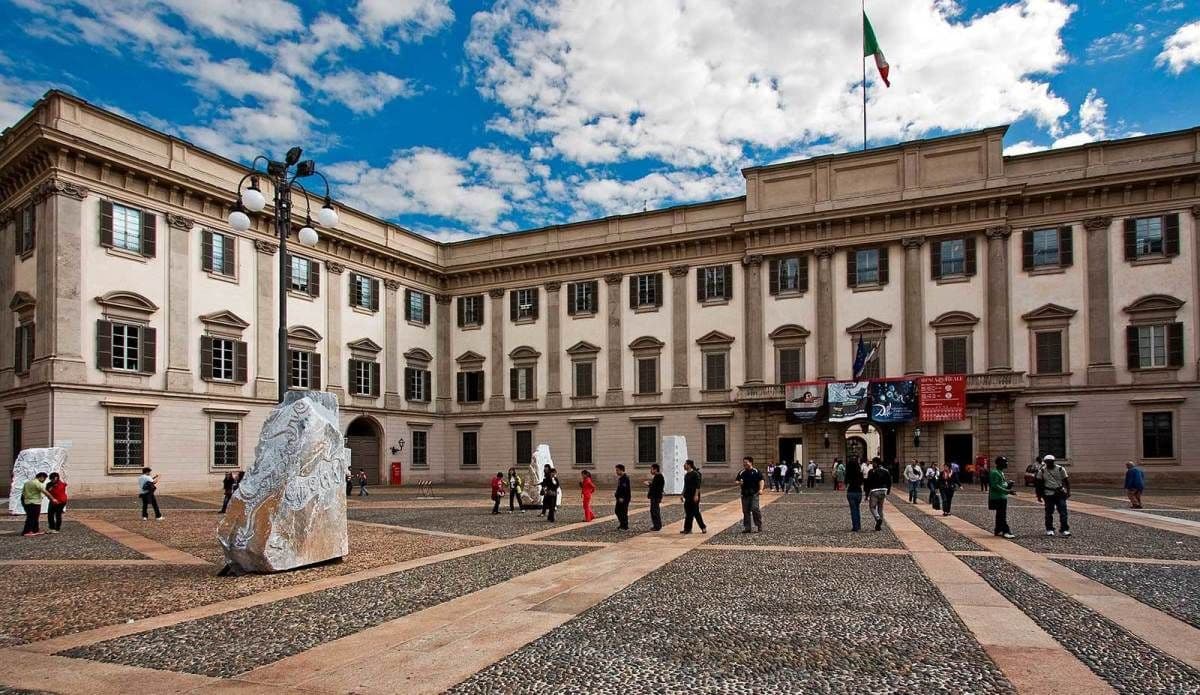
The Royal Palace of Milan Museum, located in the heart of Milan, was a seat of government for centuries and is now a cultural center hosting exhibitions and art collections. The museum presents a varied panorama of ancient and modern art, and is a significant cultural center of Milan.
Overview
The Royal Palace of Milan, also known as Palazzo Reale di Milano, is a historic building located in the heart of Milan, Italy. Now a museum, the palace boasts a rich history dating back to the Middle Ages, and has served as the seat of government and royal residence over the centuries. Today, it is home to a range of cultural institutions and art collections, offering a unique insight into the city's past and present.
The palace's origins can be traced back to the 11th century, when it was built as a residence for the Visconti family, the rulers of Milan at the time. However, the building that stands today is largely the result of extensive renovations carried out in the 16th and 17th centuries, under the rule of the Spanish and Austrian Habsburgs. The exterior of the palace is characterized by its austere, neoclassical style, while the interior is adorned with stucco work, frescoes, and elaborate chandeliers, reflecting the grandeur of the aristocratic era.
Visitors to the Royal Palace of Milan Museum are greeted by the majestic Courtyard of Honor, a spacious open area surrounded by arcades and adorned with statues. The courtyard leads to a series of grand rooms, each with its own unique character and charm. Among these is the Sala delle Cariatidi, a breathtaking hall lined with marble columns, which once hosted lavish balls and receptions. Unfortunately, this room was heavily damaged during World War II, but its ruins have been preserved as a poignant reminder of the past.
The museum's collections are as diverse as they are extensive. They include the Museum of Ancient Art, which houses a vast array of sculptures, paintings, and artifacts from the Middle Ages to the 18th century. Highlights include works by Italian masters such as Titian, Antonello da Messina, and Bellini. The palace is also home to the Modern Art Gallery, featuring works from the 19th and 20th centuries by artists including Van Gogh, Picasso, and Mondrian. Additionally, the palace hosts temporary exhibitions showcasing contemporary art and design from around the world.
In addition to its art collections, the Royal Palace of Milan Museum also features a number of other cultural institutions. These include the Palatine Library, home to a vast collection of manuscripts, books, and prints, as well as the Numismatic Cabinet, which boasts one of the most important collections of coins and medals in Italy. The palace also houses the Museum of Musical Instruments, where visitors can explore a wide range of historic instruments from various periods and cultures.
The Royal Palace of Milan Museum is not just a museum, it's a journey through time, offering a fascinating glimpse into the city's history, culture, and artistic heritage. It's a place where the past and present meet, where the grandeur of the royal era is juxtaped against the creativity and innovation of the modern world. Whether you're an art enthusiast, history buff, or simply curious about Milan's heritage, a visit to the Royal Palace of Milan Museum is an experience not to be missed.
As you wander through the grand halls, explore the extensive collections, and marvel at the stunning architecture, you'll be transported back in time, immersing yourself in the splendor and elegance of bygone eras. And yet, the palace is also a testament to Milan's resilience and dynamism, continuously evolving and adapting to the changing times. From its origins as a medieval residence, to its transformation into a modern museum, the Royal Palace of Milan stands as a symbol of the city's enduring spirit and vibrant culture.
Each visit to the Royal Palace of Milan Museum offers a unique experience, as its collections and exhibitions are constantly being updated and expanded. Whether you're interested in ancient art, modern masterpieces, rare manuscripts, or historic musical instruments, you'll find something to capture your imagination and inspire your curiosity. And with its prime location in the heart of Milan, the palace is easily accessible, making it a must-visit destination for locals and tourists alike.
Overall, the Royal Palace of Milan Museum is a treasure trove of art, history, and culture, offering a rich and varied experience for visitors of all ages and interests. Its grand architecture, extensive collections, and diverse cultural institutions make it a shining beacon of Milan's cultural landscape, reflecting the city's past, present, and future. So whether you're a first-time visitor or a seasoned local, the Royal Palace of Milan Museum promises a journey of discovery and inspiration, inviting you to delve into the heart of Milan's rich heritage and vibrant culture.
Key Highlights & Collections
The Royal Palace of Milan, or Palazzo Reale di Milano in Italian, is a historic building situated in the city center of Milan. Today, it serves as a cultural center and home to expositions and exhibitions instigated by the Milan City Council. Its grand architecture and history spanning over 1000 years have made it one of the most visited sites in Milan.
The Royal Palace has been the seat of the government in Milan for many centuries. In the past, it has served as a seat of government and residence of the Duke of Milan. Over the centuries, the palace has transformed significantly, with every ruler leaving their mark on its design. The palace was heavily damaged during World War II, but it was restored in the post-war years and now stands as a symbol of Milan's resilience and its rich history.
Today, the Royal Palace is a museum that hosts numerous exhibitions throughout the year. It boasts a staggering number of collections that span various periods and styles. The museum's collections include fine art, contemporary art, applied arts, and historical artifacts, making it a must-visit for art and history enthusiasts.
The Royal Palace’s collections are diverse and impressive. The fine art collection includes works from the Middle Ages to the contemporary era. It boasts works by renowned artists such as Raphael, Titian, and Caravaggio. The contemporary art collection includes works by internationally recognized artists like Kandinsky, Klee, and Picasso. The applied arts collection consists of objects of everyday use that are artistically significant. This includes ceramics, textiles, furniture, and glassware from different periods and cultures.
The historical artifacts collection includes a wide range of items from the Neolithic period to the 20th century. It includes archaeological finds, weapons, armor, coins, medals, and a rich collection of historical maps. One of the highlights of this collection is the Codex Trivulzianus, a manuscript containing the notes of Leonardo da Vinci.
The museum also hosts temporary exhibitions that showcase works from other museums and collections around the world. These exhibitions cover a wide range of topics and offer a unique opportunity to see rare and valuable works that are not usually on public display.
One of the key highlights of the Royal Palace is its architecture. The palace is built in the neoclassical style, with impressive columns, grand staircases, and beautiful frescoes. The rooms are lavishly decorated, with intricate stuccowork, gilded moldings, and stunning chandeliers. The palace also includes a beautiful garden, the Giardino Romano, which is a peaceful oasis in the heart of the city.
Another highlight is the Sala delle Cariatidi, the only room that survived the bombing during World War II. It was once a ballroom that could hold up to 1800 people. Today, it serves as a poignant reminder of the destruction of war and is used for special exhibitions.
Visiting the Royal Palace of Milan is not just about viewing art and historical artifacts. It is about experiencing the living history of Milan. Every room, every artifact, and every piece of art tells a story about the city's past. Whether you are an art lover, a history enthusiast, or just a curious traveler, the Royal Palace of Milan offers an enriching and unforgettable experience.
In conclusion, the Royal Palace of Milan Museum is a treasure trove of art, history, and culture. Its diverse collections, stunning architecture, and rich history make it one of the must-see attractions in Milan. Whether you are interested in fine art, contemporary art, applied arts, historical artifacts, or simply want to enjoy the grandeur of a royal palace, the Royal Palace of Milan Museum has something to offer everyone.
Visitor Experience
Visitors to the Royal Palace of Milan Museum are instantly enveloped in a world of history and artistry that spans centuries. As one walks through the grand entrance, they are greeted by the sights and sounds of Italian history, told through the lens of Milan, one of its most influential cities.
The Royal Palace itself is an architectural marvel, a testament to the grandeur of the Italian Renaissance. Its exterior is a stunning display of neoclassical architecture, with towering columns and intricate facades that hint at the treasures within. The interior is no less impressive, boasting a wealth of frescoes, sculptures, and ornate decorations that speak of a bygone era of opulence and luxury.
Upon entering the museum, visitors are guided through a series of exhibits that chronicle the history of the Royal Palace and the city of Milan itself. From the early days of the Roman Empire to the reign of the Sforza family and the era of Napoleon, each period is brought to life through a mix of artifacts, art, and interactive displays. The museum's collection includes a vast array of items, from ancient Roman coins and medieval armor to Renaissance paintings and modern installations.
One of the highlights of the museum is the Sala delle Cariatidi, or Hall of the Caryatids. Once a ballroom in the palace, it was destroyed during the Second World War and has been left in its ruined state as a poignant reminder of the horrors of war. The room is now home to temporary exhibitions and cultural events, adding a contemporary layer to the historical fabric of the palace.
Another must-see is the Sala del Trono, or Throne Room. This grand room is adorned with ornate frescoes and gilded decorations, providing a glimpse into the opulence of the royal court. The throne, once used by the kings of Italy, is a stunning piece of craftsmanship, adorned with intricate carvings and precious materials.
The museum also hosts a variety of temporary exhibitions throughout the year, showcasing works from around the world and offering a fresh perspective on different aspects of art and history. These exhibitions are often accompanied by guided tours and educational programs, providing visitors with a deeper understanding of the exhibits and the stories behind them.
For those interested in architecture, the palace itself is a living exhibit. From the grand staircase to the intricate ceilings, every corner of the palace is a testament to the skill of the craftsmen who built it. Guided tours are available that delve into the architectural history of the palace, shedding light on the techniques and materials used in its construction.
But the experience is not limited to the museum and palace alone. The Royal Palace of Milan is located in the heart of the city, surrounded by a bustling piazza that offers a variety of dining and shopping options. Visitors can enjoy a meal at one of the many nearby restaurants, or shop for souvenirs at the local boutiques. The palace is also a stone's throw away from the iconic Duomo di Milano, offering visitors a chance to explore one of the world's most famous cathedrals.
Overall, a visit to the Royal Palace of Milan Museum offers a unique blend of history, art, and culture. Whether you're a history buff, an art lover, or simply curious about the life and times of Milan's royalty, the museum offers an enriching and engaging experience that is sure to leave a lasting impression.
As you walk through the halls and rooms of the palace, you're not just observing artifacts and artworks; you're walking through the pages of history, experiencing the ebb and flow of power and culture that shaped Milan and, by extension, Italy itself. It's a journey through time, a chance to step into the shoes of kings and queens, artists and craftsmen, and understand the forces that have made Milan the vibrant, dynamic city it is today.
References
Share with friends
The Royal Palace of Milan Museum, located in the heart of Milan, was a seat of government for centuries and is now a cultural center hosting exhibitions and art collections. The museum presents a varied panorama of ancient and modern art, and is a significant cultural center of Milan.
Museum Name
Royal Palace of Milan Museum
Location
Milan, Italy
Type of Museum
Art and History
Year Established
1920
Notable Collections/Features
Artworks from Middle Ages and Renaissance, Neoclassical rooms


About
Where Wisdom Meets AI Utopia Edutainment
Wisdomia.ai is a 3D AI edutainment platform that seamlessly blends learning with immersive play. As the first AI-powered 3D Web 3.0 marketplace created by creators for creators. Founded by renowned serial entrepreneur and author Dinis Guarda, Wisdomia empowers individuals to flourish in an ecosystem designed for collective wisdom EQ. Join us in shaping humanity's future as we harness the power of AI to visualise and create a better world—where technology serves human potential, and innovation is guided by utopian wisdom.
Contact us
Produced by