
loading...


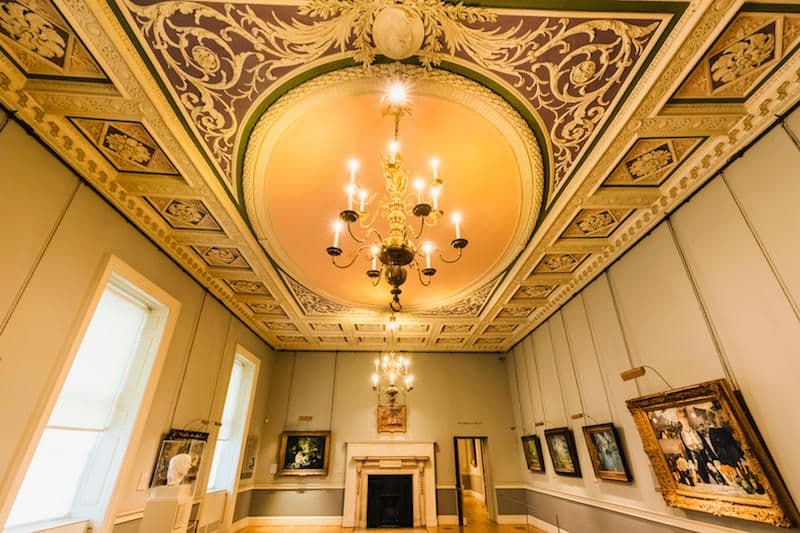
Somerset House is a large Neoclassical building situated on the south side of the Strand in central London, overlooking the River Thames, just east of Waterloo Bridge. The building, originally the site of a Tudor palace, was designed by Sir William Chambers in 1776, and further extended with Victorian wings to the north and south. The East Wing forms part of the adjacent Strand campus of King's College London.
Overview
Somerset House is a neoclassical architectural marvel located in the heart of London. It is one of the most spectacular, historic and cultural landmarks in the United Kingdom. This large building, stretching over 500 feet along the River Thames, was designed by Sir William Chambers and completed in 1801. Over the centuries, Somerset House has been home to various institutions, including the Royal Academy of Arts, the Royal Society, and the Society of Antiquaries. Today, it serves as a thriving cultural center, welcoming over 3 million visitors annually.
Originally, the area where Somerset House now stands was occupied by a Tudor palace, owned by the Duke of Somerset, Edward Seymour. After his execution in 1552, the palace fell into disrepair and was rebuilt as Somerset House in the 18th century. The house was initially used as a residence for royal consorts and later became a repository for various public offices, before its transformation into a museum and cultural center.
Now, Somerset House is home to a number of creative organizations and artists, offering an exciting program of events and exhibitions throughout the year. It houses the Courtauld Gallery, known for its collection of Impressionist and Post-Impressionist paintings, as well as the Embankment Galleries, which hosts contemporary art and design exhibitions. The house also hosts the Film4 Summer Screen, an open-air film festival, and the Somerset House Studios, a workspace for artists, makers and thinkers.
The Somerset House Museum, a part of Somerset House, provides a deep insight into the history of this magnificent building. The museum displays a collection of artefacts, paintings, and engravings that reflect the historical significance of Somerset House. The museum is a treasure trove of information for history enthusiasts, offering insights into the rich and varied past of Somerset House.
The museum's collection includes items from the original Tudor palace, such as the ceremonial barge of Anne of Denmark, wife of James I, who lived in the palace in the early 17th century. Other highlights include the Sea Triumphs, a series of tapestries woven for James I, and a set of royal robes worn by the Lord Chancellor in the 19th century. In addition, the museum contains a comprehensive display on the history of the Navy Board, which was based in Somerset House from 1789 to 1873.
Also found in the museum is the Old Somerset House and the New, a model showing the transition of the house from a royal palace to a public building. There are also various exhibitions that narrate the history of Somerset House, including its use as a tax office and its role in the administration of the Navy. The museum also offers guided tours that allow visitors to explore the building's history and architecture in detail.
Besides its historical significance, Somerset House offers a wealth of cultural experiences. It provides a platform for the public to engage with a diverse range of art forms and ideas. The house's stunning architecture and vibrant atmosphere make it a hub of creativity and innovation. It is a place where art, culture, and history intersect, creating a unique and inspirational environment.
Somerset House has also been featured in several films and television series, adding to its cultural significance. It has been used as a filming location for popular films like Sherlock Holmes, Tomorrow Never Dies, and The Duchess. Its iconic courtyard, the Edmond J. Safra Fountain Court, is a popular spot for concerts and events, further enhancing the house's cultural appeal.
Today, Somerset House continues to evolve and adapt, reaffirming its status as a dynamic cultural center. It fosters creativity and innovation, hosts thought-provoking exhibitions and events, and serves as a home for a vibrant community of artists and designers. Whether you're interested in art, history, architecture, or simply exploring one of London's most iconic landmarks, Somerset House offers a rich and varied experience.
In conclusion, Somerset House Museum is not just a repository of artefacts, but a living, breathing entity that combines history, culture, and creativity. Its varied past, from a royal palace to a public building, its magnificent architecture, and its commitment to fostering creativity and innovation make it a must-visit destination in London. A visit to Somerset House Museum offers a journey through time, a glimpse into the life of a historic building, and an opportunity to engage with art and culture in an inspiring setting.
Key Highlights & Collections
Somerset House is a large Neoclassical complex situated on the south side of the Strand in central London, overlooking the River Thames, just east of Waterloo Bridge. The buildings that currently stand on the site were built between 1776 and 1801, and the complex is now home to an impressive array of artistic and cultural organisations, including the Somerset House Museum.
The Somerset House Museum is renowned for its rich collections and diverse range of exhibits. It serves as a platform for creativity, culture and arts, offering visitors a unique experience through its varied programmes and exhibitions. The museum hosts a multitude of galleries, workshops, and events, spanning various disciplines such as visual art, design, film, photography, performance, and more.
One of the key highlights of Somerset House is the Embankment Galleries. This extensive space located in the South Wing provides a stunning backdrop for large-scale exhibitions and events. The Embankment Galleries have hosted numerous high-profile exhibitions, showcasing works from both established and emerging artists, designers and photographers.
The Courtauld Gallery, another significant part of the Somerset House Museum, houses an extensive collection of paintings, drawings and sculptures. It is noted for its unrivalled collection of Impressionist and Post-Impressionist paintings, including masterpieces by Monet, Van Gogh and Gauguin, as well as a significant group of works by German Expressionist artists. The Courtauld Gallery also has an extensive array of Old Master paintings and a comprehensive collection of drawings and prints.
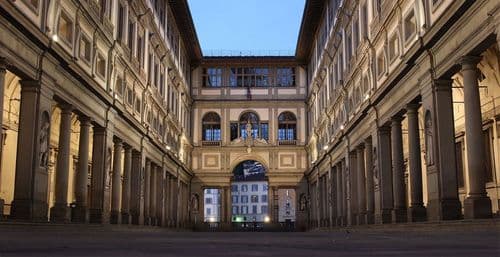
One of the most famous features of Somerset House is the Edmond J. Safra Fountain Court. This magnificent neo-classical courtyard is a favourite spot for visitors, particularly during the summer when it becomes a vibrant social space with outdoor performances and events, and in winter when it is transformed into a magical ice rink. The fountains, featuring 55 vertical jets of water, are a sight to behold, especially when they are lit up in the evening.
The museum's collection also includes the Gilbert Collection, which is one of the most important collections of decorative arts in the world. The collection includes gold, silver, mosaics, gold boxes and portrait miniatures from the 18th and 19th centuries. The Gilbert Collection reflects the tastes and interests of Sir Arthur Gilbert, who donated his collection to the UK in 1996.
The Seamen's Hall, with its grand, sweeping staircases and Corinthian columns, is another highlight of Somerset House. It is often used for exhibitions and events, and its balconies offer fantastic views of the River Thames and the London skyline.
The King's College London's Department of Classics is also located in Somerset House. Here, visitors can explore the cultural, historical and societal aspects of the ancient world, through an extensive collection of artefacts, sculptures and inscriptions from ancient Greece and Rome.
Another key attraction is the Somerset House Studios, a workspace for artists, makers and thinkers. It is home to a community of over 300 artists and provides a platform for the development and presentation of new work.
The New Wing, built in the 19th century, houses offices and a variety of creative businesses, while the Deadhouse, a subterranean space beneath the Fountain Court, is home to a fascinating collection of historic tombstones.
The Terrace Rooms, another popular part of Somerset House, have been the site for a number of significant exhibitions. These rooms, with their large windows and high ceilings, offer beautiful views of the Edmond J. Safra Fountain Court and the River Thames. They have hosted a range of exhibitions, from historical retrospectives to showcases of contemporary design.
The Somerset House Museum is not just a place for art and culture, but also for learning. It offers a variety of workshops, talks and courses, catering to different interests and age groups. From art history and calligraphy to music and film, the educational programmes at Somerset House aim to inspire and engage visitors.
In conclusion, the Somerset House Museum offers a unique blend of art, culture, history and education. With its diverse collections, stunning architecture, and vibrant programming, it provides a rich and immersive experience for all visitors. Whether you're an art enthusiast, a history buff, an avid learner or just looking for a unique cultural experience, Somerset House Museum has something to offer.
Visitor Experience
Visiting the Somerset House Museum is an experience that is full of history, culture, and artistic exploration. The museum itself is housed in a grand and majestic building, providing visitors with a sense of awe and wonder even before they step through the doors. The building is a stunning example of 18th-century British architecture, with its grand neoclassical design and ornate detailing, making it a visual treat for anyone with an interest in historical architecture.
Once inside the museum, visitors are greeted by a vast array of exhibits and galleries, each one dedicated to a different aspect of art, culture, or history. The museum boasts an impressive collection of paintings, sculptures, and other forms of visual art, which span several centuries and various artistic movements. From the works of old masters to contemporary pieces by emerging artists, the museum offers a comprehensive overview of the evolution of art through the ages.
The museum also features several permanent exhibits, including the Courtauld Gallery, which houses an extensive collection of Impressionist and Post-Impressionist masterpieces. Here, visitors can marvel at the works of artists such as Monet, Degas, and Van Gogh. Another highlight is the Embankment Galleries, which host a rotating series of contemporary exhibitions, each one exploring a different theme or aspect of modern life.
In addition to its art collections, the Somerset House Museum also has a strong emphasis on education and learning. The museum offers a range of educational programs and workshops, which are designed to engage visitors of all ages and provide them with a deeper understanding of the artworks and artifacts on display. These programs often involve hands-on activities, guided tours, and interactive displays, making them both entertaining and informative.
Visitors to the museum can also enjoy a variety of other facilities and amenities. The museum has a well-stocked gift shop, where visitors can purchase books, prints, and other souvenirs related to the museum's collections. There is also a cafe and restaurant on site, offering a range of food and drink options for visitors to enjoy. The museum's central courtyard is another popular spot, providing a peaceful retreat where visitors can relax and soak up the atmosphere of this historic building.
Throughout the year, the Somerset House Museum hosts a number of special events and exhibitions. These range from major art shows and cultural festivals to smaller, more intimate gatherings such as artist talks and workshops. These events provide visitors with the opportunity to engage with the museum's collections in new and exciting ways, and to experience the museum as a vibrant and dynamic cultural hub.
Accessibility is a key priority for the Somerset House Museum. The museum is fully wheelchair accessible, with ramps and lifts available throughout the building. It also offers a range of services for visitors with disabilities, including guided tours with sign language interpreters and tactile experiences for visually impaired visitors. The museum also has a commitment to inclusivity, with a range of initiatives designed to make the museum accessible and welcoming to all visitors, regardless of their background or circumstances.
Overall, a visit to the Somerset House Museum is a rich and rewarding experience. Whether you are an art aficionado, a history buff, or simply looking for an enjoyable day out, the museum offers something for everyone. With its stunning architecture, diverse collections, and engaging educational programs, the Somerset House Museum provides a unique and unforgettable visitor experience.
The museum's location in the heart of London makes it easily accessible to both local residents and tourists alike. The museum is well-served by public transport, with several bus and tube stations nearby. For those who prefer to drive, there are also a number of car parks in the vicinity. The museum's central location also means that it is close to a number of other major attractions, making it a convenient stop on any sightseeing itinerary.
Visiting the Somerset House Museum is not just about viewing art and historical artifacts. It is about immersing oneself in the culture and history of the place, about learning and discovering, and about being inspired and moved by the beauty and creativity on display. It is a place where visitors can enrich their minds, nourish their souls, and create lasting memories. In short, a visit to the Somerset House Museum is more than just a day out - it is an experience to be savored and cherished.
References
Share with friends
Somerset House is a large Neoclassical building situated on the south side of the Strand in central London, overlooking the River Thames, just east of Waterloo Bridge. The building, originally the site of a Tudor palace, was designed by Sir William Chambers in 1776, and further extended with Victorian wings to the north and south. The East Wing forms part of the adjacent Strand campus of King's College London.
Museum Name
Somerset House Museum
Location
London, United Kingdom
Type of Museum
Public museum
Year Established
1776
Notable Collections/Features
Art, Design, Performance and Film
Website



About
Where Wisdom Meets AI Utopia Edutainment
Wisdomia.ai is a 3D AI edutainment platform that seamlessly blends learning with immersive play. As the first AI-powered 3D Web 3.0 marketplace created by creators for creators. Founded by renowned serial entrepreneur and author Dinis Guarda, Wisdomia empowers individuals to flourish in an ecosystem designed for collective wisdom EQ. Join us in shaping humanity's future as we harness the power of AI to visualise and create a better world—where technology serves human potential, and innovation is guided by utopian wisdom.
Contact us
Produced by