
loading...


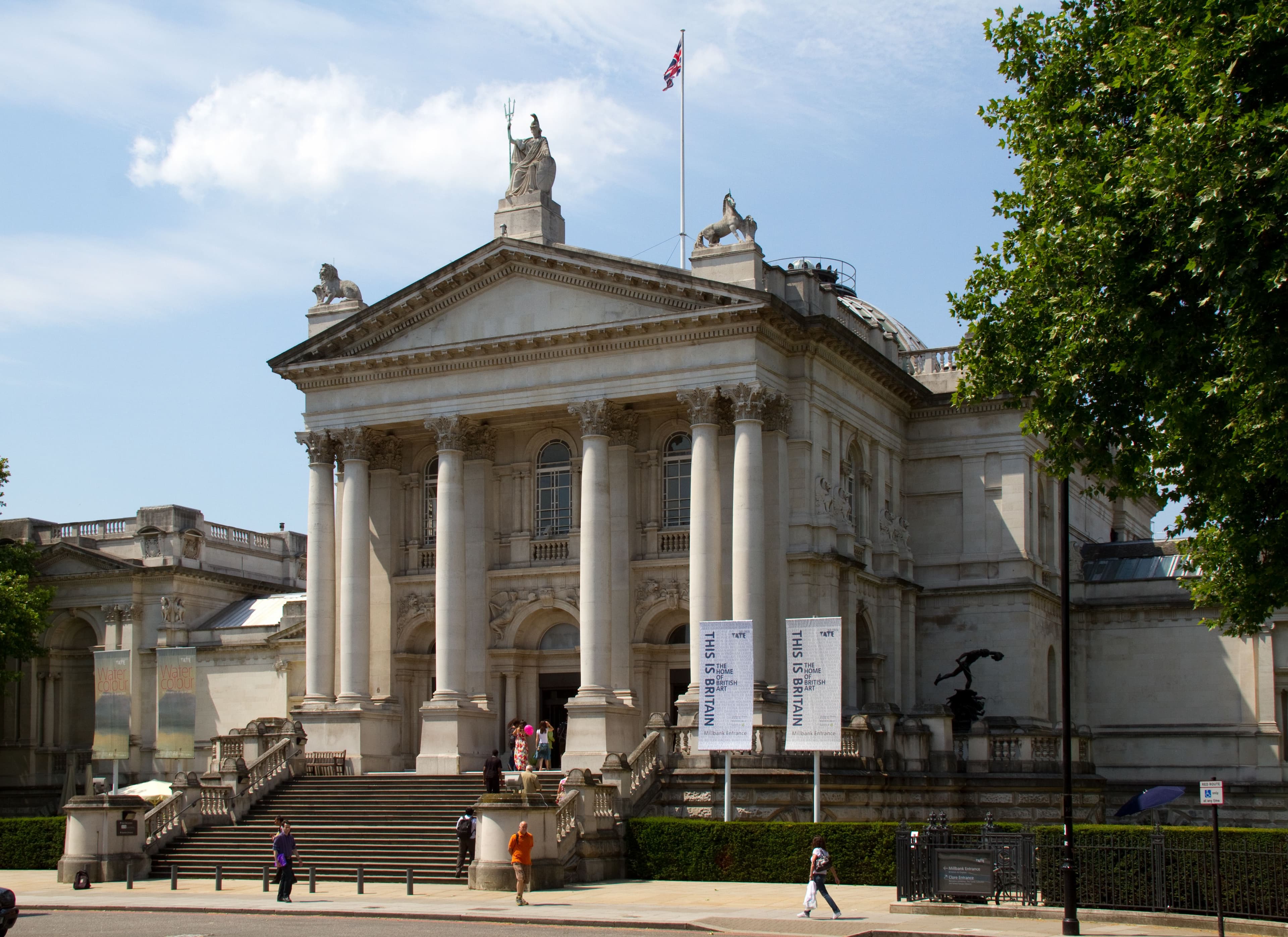
Tate Britain, known from 1897 to 1932 as the National Gallery of British Art and from 1932 to 2000 as the Tate Gallery, is an art museum on Millbank in the City of Westminster in London. It is part of the Tate network of galleries in England, with Tate Modern, Tate Liverpool and Tate St Ives. It is the oldest gallery in the network, having opened in 1897.
Overview
Tate Britain Museum, also known as Tate Britain, is one of the most important and influential art institutions in the United Kingdom. Located on Millbank in London, the museum is part of the Tate network of galleries in England, which also includes Tate Modern, Tate Liverpool, and Tate St Ives. Tate Britain focuses on historical and contemporary British art and is the oldest gallery in the Tate network, having opened to the public in 1897.
The museum was originally designed by Sidney R. J. Smith with a classicist style and constructed in stages between 1893 and 1937. The museum has undergone significant renovations and expansions over the years to accommodate its growing collection and increasing visitor numbers. The most notable of these was the Centenary Development, completed in 2001, which added new galleries, a restaurant, an auditorium, and improved visitor facilities.
Tate Britain houses a substantial collection of the art of the United Kingdom since Tudor times, and in particular has large holdings of the works of J. M. W. Turner, who bequeathed all his own collection to the nation. It is the most comprehensive collection of its kind in the world. Highlights of the collection include romantic, Victorian, and modern British paintings, as well as works by some of the most celebrated artists in British history, such as Thomas Gainsborough, John Constable, and William Blake.
Aside from its vast permanent collection, Tate Britain also stages a number of temporary exhibitions throughout the year. These exhibitions often feature works by renowned British and international artists and cover a range of themes and periods. The museum also hosts the annual Turner Prize exhibition, showcasing works by shortlisted contemporary artists. This prestigious event is one of the most high-profile in the British art calendar and attracts significant media attention.
In addition to its exhibition spaces, Tate Britain offers a range of facilities for visitors. This includes an expansive book and gift shop, selling a range of art-related products and literature. The museum also houses a library and archive, which holds extensive materials related to British art and artists. For those wishing to learn more about the works on display, the museum provides a range of educational programs and workshops, as well as guided tours of the collection.
Despite its traditional focus, Tate Britain has made significant efforts in recent years to broaden its scope and appeal to a wider audience. This has included the introduction of Late at Tate Britain events, which involve music, film, fashion and live performances, and are designed to attract a younger, more diverse crowd. The museum has also made strides in digital engagement, offering virtual tours and online access to its collections, ensuring that its treasures can be enjoyed by people all over the world.
Accessibility is a key consideration at Tate Britain, with a range of services available to ensure that as many people as possible can enjoy its collections. This includes lift access to all floors, wheelchair hire, and induction loops for visitors with hearing impairments. The museum also offers a range of resources for visitors with visual impairments, including large print guides, tactile opportunities, and descriptive tours.
In summary, Tate Britain is a cornerstone of British art and culture, housing an unparalleled collection of British art and offering a range of exhibitions and events. Its commitment to accessibility and engagement ensures that it remains a vital part of the UK's cultural landscape, enjoyed by millions of visitors each year.
Key Highlights & Collections
Tate Britain is a remarkable hub of British art and culture, located in the heart of London, serving as a beacon for artists, collectors, and art enthusiasts worldwide. Its collection embodies over 500 years of British art, from 1500 to the present day, making it a premier destination for understanding the rich tapestry of British art history.
The museum is home to the Turner Collection, which is one of its key highlights. J.M.W. Turner, a renowned British landscape painter, bequeathed over 300 oil paintings and thousands of sketches and watercolours to the museum. His iconic works such as 'The Fighting Temeraire', 'Rain, Steam and Speed – The Great Western Railway', and 'Snow Storm - Steam-Boat off a Harbour’s Mouth' are mainstays of the museum's collection.
Another significant highlight of Tate Britain is the Clore Gallery, an extension of the museum dedicated to Turner’s works. Designed by architect Sir James Stirling, the gallery offers an unparalleled journey through Turner's artistic evolution, making it a must-visit for art enthusiasts.
Tate Britain also houses the world’s largest collection of works by William Blake, a pivotal figure in the history of the Romantic Age. Blake's innovative combination of text and image, his symbolic and mystical outlook, and his technical innovations in printmaking are well represented in the museum's collection.
Among the museum's key collections is the Pre-Raphaelite Brotherhood works. Artists like Dante Gabriel Rossetti, John Everett Millais, and William Holman Hunt challenged the Victorian era's artistic conventions with their vivid colours, attention to detail, and complex compositions. Their iconic works such as Millais's 'Ophelia' and Rossetti's 'Proserpine' are part of the museum's rich collection.
The museum also showcases the works of contemporary artists, with collections that highlight the diversity and dynamism of British art today. The Turner Prize exhibition is held at Tate Britain annually, spotlighting significant trends in contemporary British art and offering a platform for emerging artists.
Furthermore, Tate Britain is renowned for its extensive collection of works by the YBA (Young British Artists) movement. Artists like Damien Hirst, Tracey Emin, and Sarah Lucas, who stirred the British art scene in the late 20th century, are well represented in the museum's collections. Hirst's 'The Physical Impossibility of Death in the Mind of Someone Living' and Emin's 'My Bed' are some of the provocative works that can be found here.
Another highlight is the museum's collection of modernist works, with key pieces by artists such as Barbara Hepworth, Henry Moore, and David Bomberg. The museum's rich assortment of sculptures, paintings, and installations provides a comprehensive overview of the modernist movement in Britain.
The museum also houses an extensive collection of works by the Vorticists, a radical art movement that emerged in Britain on the eve of the First World War. The Vorticists combined the energies of modern life with the dynamism of the machine age, creating a unique aesthetic that is well represented in Tate Britain's collection.
In addition to its permanent collections, Tate Britain hosts a number of temporary exhibitions, artist retrospectives, and thematic shows that offer fresh perspectives on British art. These exhibitions, together with the museum's expansive collections, ongoing research initiatives, educational programmes, and community outreach efforts, make Tate Britain a dynamic and vital centre for the study and appreciation of British art.
Tate Britain is not just a museum; it is a testament to the endurance and evolution of British art. An afternoon spent wandering its galleries offers a unique insight into the nation's cultural heritage, the shifts and changes in its artistic trends, and the enduring relevance of art in shaping our understanding of the world.
Visitor Experience
Visiting the Tate Britain Museum is an immersive experience that allows you to explore the rich tapestry of British art from 1500 to the present day. Housed in a grand building on the banks of the River Thames, the museum boasts an impressive collection that features work from some of the biggest names in British art, including JMW Turner, Sir John Everett Millais, and Dame Barbara Hepworth.
The museum is divided into several key areas, each dedicated to a particular period or style of British art. The Clore Gallery, for example, is devoted to the work of JMW Turner, and houses the largest collection of his work in the world. The 1840s-1890s galleries, meanwhile, showcase the best of Victorian art, with works from the Pre-Raphaelite Brotherhood and other notable artists of the time.
Visitors to the Tate Britain can also enjoy a series of temporary exhibitions, which change throughout the year and offer an in-depth look at a particular artist or theme. These exhibitions are often accompanied by a range of talks, workshops, and other events, providing further opportunities to engage with the art on display.
Alongside the artwork, the Tate Britain offers a range of facilities to enhance your visit. The Rex Whistler Restaurant offers a sophisticated dining experience with a menu that changes seasonally, while the Djanogly Caf serves a range of light refreshments. The museum also has a shop selling a range of books, prints, and gifts inspired by the art on display.
Accessibility is a key consideration for the Tate Britain, with a range of measures in place to ensure that everyone can enjoy their visit. There are lifts to all floors, wheelchair accessible toilets, and hearing loops in lecture theatres. The museum also offers a range of resources for visually impaired visitors, including tactile maps and audio guides. Guide dogs are welcome throughout the museum.
For families visiting the Tate Britain, there are a range of resources available to help engage younger visitors with the art on display. The Clore Learning Centre offers a range of activities and workshops for children of all ages, while the Family Packs available at the information desk provide a range of games and activities to use in the galleries.
The Tate Britain is open every day from 10am to 6pm, with late-night opening on Fridays until 10pm. Admission to the permanent collection is free, although some temporary exhibitions may have an entry fee. We recommend booking your tickets in advance online to guarantee entry and avoid queues. The museum is easily accessible by public transport, with several bus routes stopping nearby and the Pimlico tube station just a short walk away.
Whether you are a seasoned art lover or just looking for a way to spend a rainy afternoon, a visit to the Tate Britain offers a fascinating insight into the history of British art. With its impressive collection, engaging exhibitions, and range of visitor facilities, it is a must-visit destination for anyone with an interest in art and culture.
In conclusion, visiting the Tate Britain Museum is not just about admiring art, it is about experiencing it. It is about being moved by the beauty, complexity, and depth of British art, and gaining a deeper understanding of the historical and cultural context that it was created in. It is an experience that is both educational and inspiring, and one that is sure to leave a lasting impression.
References
Share with friends
Tate Britain, known from 1897 to 1932 as the National Gallery of British Art and from 1932 to 2000 as the Tate Gallery, is an art museum on Millbank in the City of Westminster in London. It is part of the Tate network of galleries in England, with Tate Modern, Tate Liverpool and Tate St Ives. It is the oldest gallery in the network, having opened in 1897.
Museum Name
Tate Britain
Location
Millbank, London, England
Type of Museum
Art museum
Year Established
1897
Notable Collections/Features
Collection of British art from 1500 to the present day


About
Where Wisdom Meets AI Utopia Edutainment
Wisdomia.ai is a 3D AI edutainment platform that seamlessly blends learning with immersive play. As the first AI-powered 3D Web 3.0 marketplace created by creators for creators. Founded by renowned serial entrepreneur and author Dinis Guarda, Wisdomia empowers individuals to flourish in an ecosystem designed for collective wisdom EQ. Join us in shaping humanity's future as we harness the power of AI to visualise and create a better world—where technology serves human potential, and innovation is guided by utopian wisdom.
Contact us
Produced by