
loading...
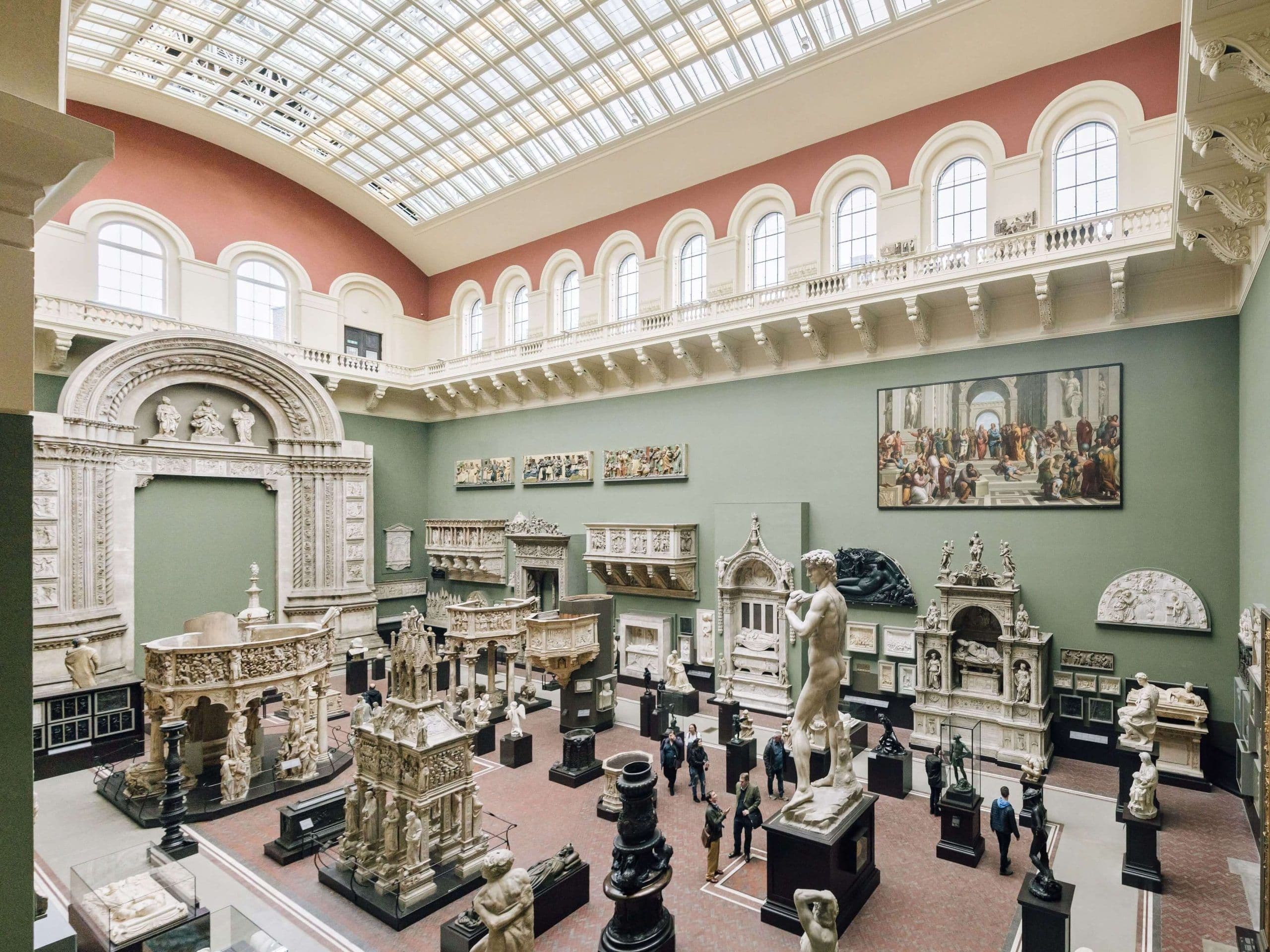


The Victoria and Albert Museum in London is the world's largest museum of applied and decorative arts and design, as well as sculpture, housing a permanent collection of over 2.27 million objects
Overview
The Victoria and Albert Museum, often referred to as the V&A, is a world-renowned museum of art and design located in London, England. Opened in 1852, it is named after Queen Victoria and Prince Albert and has since grown to become the largest museum of its kind in the world, housing over 2.3 million objects that span over 5,000 years of human creativity.
The V&A covers 12.5 acres and includes 145 galleries, showcasing thousands of years of art from virtually every medium, including ceramics, furniture, fashion, glass, jewellery, metalwork, photographs, sculpture, and textiles, among others. The museum's collections also span a vast range of cultures, including those of Asia, Africa, the Middle East, and Europe.
The museum's mission is to inspire designers and manufacturers, to engage with the general public, and to educate both children and adults. It does this by providing access to its collections, both physically in the museum and digitally online. It also runs an extensive programme of temporary exhibitions, events, workshops, and educational activities.
The V&A is divided into four main collections: Asia; Furniture, Textiles and Fashion; Sculpture, Metalwork, Ceramics & Glass; and Word & Image. Each of these collections is further divided into various departments that focus on specific periods or types of art and design.
The Asia collection is one of the most comprehensive in the world, with over 160,000 objects spanning 5,000 years. This collection includes art from South Asia, East Asia, the Middle East, and the Islamic world. Highlights of this collection include the Ardabil Carpet, one of the largest and finest Islamic carpets in the world, and the Tipu’s Tiger, an Indian automaton and musical instrument from the late 18th century.
The Furniture, Textiles and Fashion collection is equally extensive, housing over 14,000 pieces of furniture, 75,000 textiles, and 80,000 fashion objects. This collection covers a broad range of periods, styles, and materials, from medieval European tapestries and Renaissance furniture to contemporary fashion designs. One of the standout pieces in this collection is the Great Bed of Ware, an enormous Elizabethan four-poster bed.
The Sculpture, Metalwork, Ceramics & Glass collection is home to over 110,000 objects that showcase the development of European sculpture from the Middle Ages to the present day. It also houses one of the most comprehensive collections of ceramics and glass in the world, with over 80,000 pieces from across the globe. Notable objects in this collection include the medieval Chellini Madonna by Donatello and the elegant Portland Vase, a Roman cameo glass vessel.
The Word & Image collection is dedicated to prints, drawings, paintings, photographs, and books. This collection boasts over half a million objects, making it one of the largest and most important of its kind in the world. Highlights include drawings by Leonardo da Vinci, a comprehensive collection of Beatrix Potter’s artwork, and the museum's collection of children's books, games, and ephemera.
In addition to these main collections, the V&A also houses several smaller collections, such as the Theatre and Performance collection, which explores the history and current practice of performing arts in the UK. It also has a collection dedicated to the art and design of Europe 1600-1815, showcasing some of the most magnificent works of this period.
The V&A is also known for its stunning architecture. The museum buildings themselves are a work of art, blending Victorian and Edwardian architectural styles with modern designs. The museum’s central courtyard, known as the John Madejski Garden, is a popular spot for visitors to relax and enjoy the surroundings.
Over the years, the V&A has established a reputation for its major exhibitions. These exhibitions often focus on the work of a particular artist or designer, or explore a specific theme in art and design. Past exhibitions have included retrospectives on David Bowie, Alexander McQueen, and Frida Kahlo, as well as thematic exhibitions on topics such as the art of love and devotion, and the influence of punk culture on fashion.
In conclusion, the Victoria and Albert Museum is not just a museum; it is a treasure trove of art and design that spans thousands of years and countless cultures. It offers an unparalleled opportunity to explore the creativity and ingenuity of humankind, making it a must-visit destination for art lovers and culture enthusiasts from around the world.
Key Highlights & Collections
The Victoria and Albert Museum (V&A) in London is the world's largest museum of applied and decorative arts and design, as well as sculpture. It houses a permanent collection of over 2.27 million objects that span over 5,000 years of human creativity. The museum was founded in 1852 and named after Queen Victoria and Prince Albert. It has since grown exponentially and now covers 12.5 acres and 145 galleries.
One of the key highlights of the Victoria and Albert Museum is the 'British Galleries' which display the history of Britain through its art and design from the Tudor to the Victorian era (1500–1900). These galleries are home to some of the most remarkable pieces in the collection, including the 'Great Bed of Ware', an enormous four-poster bed that is mentioned in Shakespeare's 'Twelfth Night'.
Another major highlight is the 'Cast Courts', which house replicas of some of the world’s most significant works of art, including Michelangelo’s David and Trajan’s Column. These courts were created in the 19th century when the desire for knowledge about the world’s cultural achievements was so high that the V&A began to produce copies of the best examples.
The 'Medieval and Renaissance Galleries' are also a key feature, housing one of the world’s most comprehensive collections of treasures from this period. These include the Becket Casket, a beautiful reliquary that once held relics of St Thomas Becket, and the stunning Gloucester Candlestick, an intricate masterpiece of English metalwork.
The Victoria and Albert Museum also boasts an impressive collection of Asian art and design, with galleries dedicated to South Asia, China, Japan and the Islamic Middle East. These collections comprise over 160,000 objects spanning 5,000 years and include ceramics, textiles, prints, paintings, furniture, metalwork, glass and more.
The fashion collection at the V&A is one of the largest and most comprehensive in the world. It includes a wide range of garments, underwear, footwear, accessories and textiles from the 17th century to the present day. This collection includes over 14,000 outfits and accessories, 400 examples of textile designs and a library of fashion drawings.
The museum's 'Jewellery Gallery' is another must-see. It houses more than 3,000 jewels dating from ancient times to the present day, including pieces by Cartier and Fabergé. The collection showcases the best in design and craftsmanship and is one of the finest in the world.
The 'Ceramics Collection' is also significant, featuring over 80,000 objects from around the world. It is the most comprehensive ceramics collection in the world, with pieces from all periods and from every major ceramics producing area in the world.
The V&A also houses the National Art Library, one of the world's foremost libraries for the study of art, design and the history of the book. With over a million books, 4000 manuscripts, and 50,000 archival files, it is a treasure trove for researchers and enthusiasts alike.
The 'Theatre and Performance Galleries' is the UK's national collection of performing arts. It includes costumes, designs, photographs and scripts from stage and screen. Highlights include the costume worn by Mick Jagger at the Rolling Stones' 1972 American tour, and a puppet from the original production of 'The Lion King'.
In addition to its permanent collections, the V&A hosts a variety of temporary exhibitions and events. These are wide-ranging and cover topics as diverse as contemporary design, historical periods and individual artists or craftspeople. The V&A also offers an extensive educational programme for both children and adults, making it a hub of learning and cultural enrichment.
In conclusion, the Victoria and Albert Museum is not just a place to view objects of art and design, but a space to explore and understand the world's rich cultural history. Whether you're interested in fashion, sculpture, ceramics, theatre or the history of art and design, the V&A has something to offer everyone.
Visitor Experience
The Victoria and Albert Museum, often abbreviated as the V&A, provides a unique, enriching and memorable visitor experience. Located in London, England, the V&A is the world's largest museum of applied and decorative arts and design, boasting a collection of over 2.3 million items that span over 5000 years of recorded history. The museum is named after Queen Victoria and Prince Albert and was founded in 1852, making it not only a vast treasure trove of art and design but also a historical monument in itself.
From the moment you step through the museum's grand entrance, you are transported into a world of exquisite artistry and intricate design. The architecture of the museum itself is a sight to behold, with its Victorian facade and ornate detailing serving as a perfect prelude to the wonders contained within. The museum's collections are incredibly diverse, including ceramics, furniture, fashion, glass, jewellery, metalwork, photographs, sculpture, textiles and paintings. There is truly something to captivate every visitor, regardless of their personal interests or familiarity with art and design.
One of the defining features of the V&A's visitor experience is the opportunity to immerse yourself in the art and design of different cultures and periods. The museum's extensive collections are organised into several departments, each dedicated to a specific culture or period. This allows visitors to journey through time and space, experiencing the art and design of Ancient Egypt, Medieval Europe, Renaissance Italy, Imperial China, Meiji Japan, Victorian England, Modernist America and more. The museum also has a strong focus on contemporary art and design, ensuring that its collections remain relevant and engaging for today's audiences.
The museum provides a range of interactive exhibits and activities to enhance the visitor experience. These include hands-on workshops, guided tours, and interactive displays that allow visitors to engage with the collections in a more personal and meaningful way. The museum also hosts a range of events and exhibitions throughout the year, providing opportunities for visitors to learn about specific artists, movements or themes in depth. These events often feature talks by experts, live performances, and other interactive elements that bring the art and design to life.
Furthermore, the V&A goes the extra mile when it comes to visitor amenities. The museum has several cafes and a restaurant that serve a variety of delicious food and beverages. There is also a museum shop where visitors can purchase souvenirs, books, and art and design products inspired by the museum's collections. The museum is also fully accessible to people with disabilities, with ramps, lifts, and wheelchair-accessible restrooms available throughout the building. For visitors with children, the museum offers a variety of family-friendly activities and resources, including activity trails, backpacks, and workshops.
For those who prefer a more independent visitor experience, the V&A offers a free-to-use multimedia guide that provides interesting facts and stories about the museum's collections. The guide is available in several languages, making it accessible to visitors from all over the world. In addition, the museum's website provides a wealth of information about its collections, including detailed descriptions and high-quality images of many of its items. This allows visitors to explore the museum's collections before or after their visit, further enhancing their experience.
Overall, a visit to the Victoria and Albert Museum is a rewarding and unforgettable experience. Whether you're a seasoned art enthusiast or a casual visitor, the museum's vast and varied collections, interactive exhibits, and high-quality amenities are sure to inspire and engage you. With its commitment to preserving and showcasing the world's art and design heritage, the V&A truly embodies its mission to be a place of inspiration, discovery and learning.
References
Share with friends
The Victoria and Albert Museum in London is the world's largest museum of applied and decorative arts and design, as well as sculpture, housing a permanent collection of over 2.27 million objects
Museum Name
Victoria and Albert Museum
Location
Cromwell Road, London, England
Type of Museum
Art and Design Museum
Year Established
1852
Notable Collections/Features
The museum holds over 2.27 million objects spanning 5000 years of art from cultures around the world, including ceramics, fashion, furniture, glass, metalwork, paintings, photographs, prints, sculpture, and textiles.
Website


About
Where Wisdom Meets AI Utopia Edutainment
Wisdomia.ai is a 3D AI edutainment platform that seamlessly blends learning with immersive play. As the first AI-powered 3D Web 3.0 marketplace created by creators for creators. Founded by renowned serial entrepreneur and author Dinis Guarda, Wisdomia empowers individuals to flourish in an ecosystem designed for collective wisdom EQ. Join us in shaping humanity's future as we harness the power of AI to visualise and create a better world—where technology serves human potential, and innovation is guided by utopian wisdom.
Contact us
Produced by