Community as Classroom: When the Village Teaches : Redefining Where Learning Happens
12 Dec 2025

The old African proverb tells us it takes a village to raise a child. But what if that village could also educate the child? Across the globe, educators, parents, and community leaders are discovering that the richest learning experiences don't always happen within four walls and a whiteboard. Instead, they're unfolding in gardens, workshops, museums, elder centers, and on city streets, wherever life happens.
Welcome to the movement redefining education itself: Community as Classroom.
Beyond the Traditional Classroom Walls

For generations, we've equated learning with classrooms, structured spaces where knowledge flows from teacher to student in predictable patterns. But this model, while valuable, captures only a fraction of how humans truly learn and grow.
Community-based learning flips this script. It recognizes that expertise exists everywhere: in the baker who understands chemistry through bread, the elder who carries oral histories, the urban gardener who teaches ecology, and the local entrepreneur who embodies resilience and innovation.
When communities become classrooms, learning becomes:
- Contextualized: Students see how knowledge applies to real-world challenges
- Intergenerational: Wisdom flows between ages, not just from adult to child
- Culturally grounded: Education reflects and honors local traditions and values
- Collaborative: Learning becomes a collective rather than individual pursuit
The Science Behind Community Learning

Research consistently shows that community-based education produces remarkable outcomes. Studies reveal that students engaged in community learning demonstrate higher retention rates, stronger critical thinking skills, and deeper civic engagement compared to traditional-only approaches.
Why? Because our brains are wired for contextual learning. When students connect abstract concepts to tangible community experiences, measuring water quality in a local stream, interviewing neighbors about neighborhood history, or calculating budgets for community projects, neural pathways strengthen. Learning becomes memorable because it becomes meaningful.
Moreover, community learning addresses what psychologists call “transfer of learning”, the ability to apply knowledge in new contexts. When students learn math through community gardening or literacy through documenting local stories, they naturally develop the flexible thinking that traditional education struggles to teach.
Real Stories: Communities Teaching in Action
The Urban Garden Classroom

In Detroit, abandoned lots have transformed into vibrant learning laboratories. Students from nearby schools spend afternoons learning biology through composting, economics through farmers markets, and nutrition through harvest cooking classes. Local residents become teachers, sharing decades of gardening wisdom while students contribute fresh energy and research skills.
The result? Students aren't just learning about sustainability, they're practicing it while strengthening food security in their own neighborhoods.
The Intergenerational Story Project

A small town in New Mexico launched a program connecting students with tribal elders. Each semester, young people interview community members, document traditional stories, and create multimedia presentations. The project teaches research, technology, and communication skills while preserving cultural heritage that might otherwise be lost.
One student reflected:
My textbook taught me about history. My community taught me about our history. There's a difference.
The Apprenticeship Renaissance
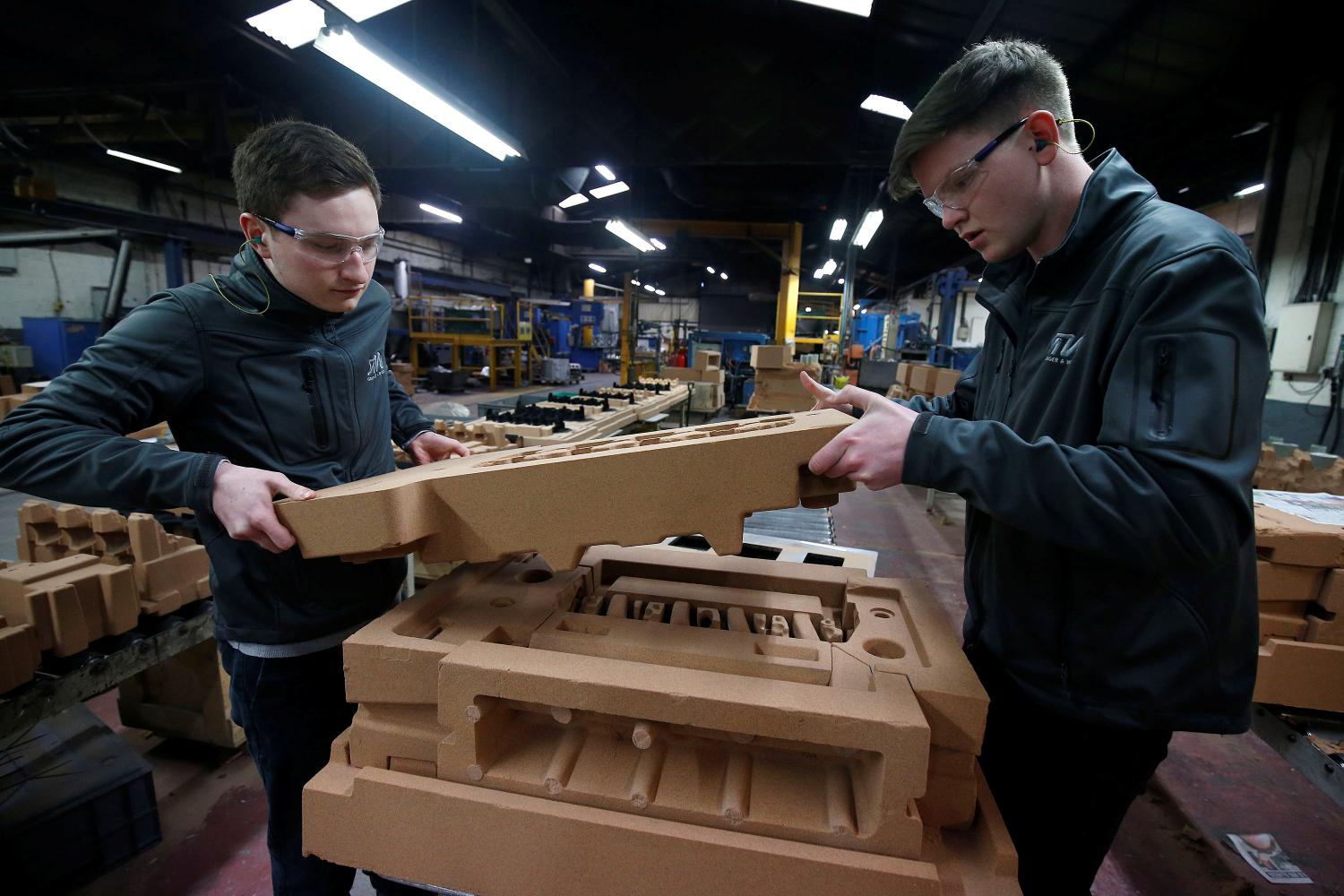
In parts of Europe and increasingly in North America, communities are reviving apprenticeship models. Students spend time with artisans, technicians, healthcare workers, and entrepreneurs, learning through doing rather than solely through theory.
These experiences don't just teach trades; they build mentor relationships, professional networks, and a sense of purpose that classroom-only education rarely provides.
Building Your Community Classroom: Where to Start
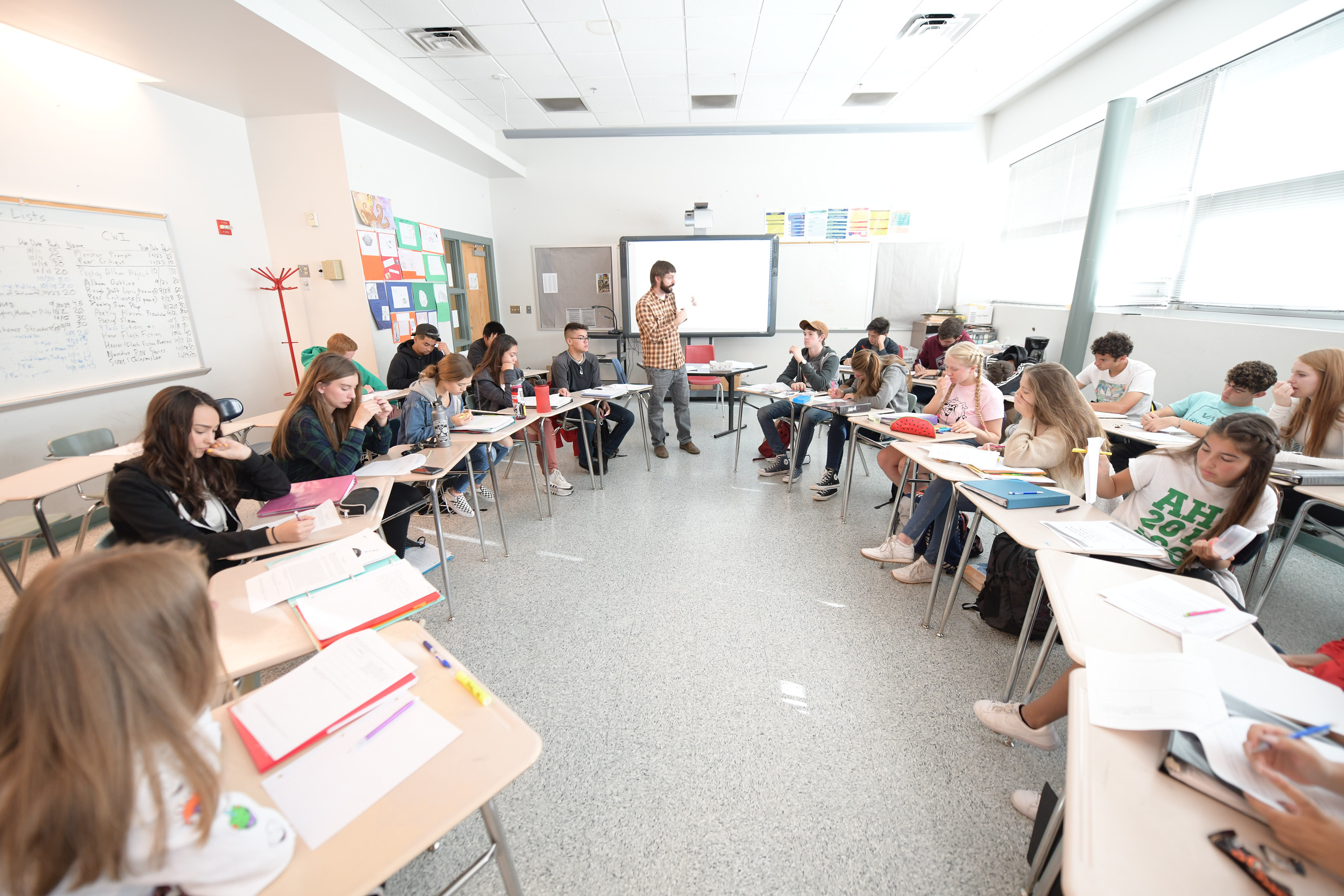
Transforming your community into a learning environment doesn't require massive funding or organisational overhaul. It starts with shifting perspective and building connections.
For Educators:
- Map community assets, who has knowledge to share? What spaces could host learning?
- Design projects that address real community needs
- Facilitate rather than control, let students and community members co-create learning experiences
- Build partnerships with local organizations, businesses, and cultural institutions
For Parents:
- Explore your neighborhood as a learning landscape, what can you discover together?
- Connect children with diverse community members who can share their expertise
- Support school-community partnerships through volunteering or advocacy
- Model lifelong learning by engaging with community education opportunities yourself
For Community Members:
- Share your skills and knowledge, you don't need teaching credentials to mentor
- Open your workspace, garden, or studio for educational visits
- Participate in local education initiatives and school advisory committees
- Advocate for policies that support community-based learning
Overcoming Common Challenges
Community-based learning isn't without obstacles. Concerns about safety, scheduling, assessment, and equity are legitimate and deserve thoughtful responses.
Safety and supervision can be addressed through clear protocols, proper training, and appropriate adult-to-student ratios. Many successful programs use a gradual release model, starting with highly structured experiences before allowing greater independence.
Scheduling flexibility requires creativity but is achievable. Some schools designate specific "community learning days," while others integrate community experiences into existing project time.
Assessment adapts from traditional testing to portfolio-based evaluation, where students document their learning through reflections, projects, and demonstrations. These authentic assessments often reveal deeper learning than standardized tests capture.
Equity concerns are perhaps most critical. Community learning must be accessible to all students, not just those whose families have connections or transportation. Successful programs build partnerships that provide resources, address transportation barriers, and ensure diverse representation in community educators.
The Digital-Physical Hybrid
Technology expands rather than replaces community learning. Virtual connections allow students to learn from global communities while still grounding experiences locally. A class might video conference with water engineers in another country while testing water quality in their own watershed.
Digital tools also help document and share community knowledge. Students can create podcasts of elder interviews, map neighborhood history through GIS, or build websites showcasing local expertise. Technology becomes a bridge between generations and a tool for preserving community wisdom.
Measuring What Matters
Traditional metrics, test scores and grades, capture only fragments of community learning's impact. More meaningful measures include:
- Civic engagement: Are students becoming active community participants?
- Relationship building: Are connections forming across generations and backgrounds?
- Applied skills: Can students use knowledge to address real challenges?
- Sense of belonging: Do students feel rooted in and responsible to their community?
- Retained knowledge: Do students remember and apply what they've learned years later?
These outcomes matter more for long-term success than any single test score, yet they're often overlooked in education discussions.
The Future Is Already Here
Community as classroom isn't a distant vision, it's happening now in neighborhoods worldwide. From forest schools in Scandinavia to favela-based education initiatives in Brazil, from indigenous knowledge programs in Canada to urban sustainability projects in Singapore, communities are reclaiming their role as educators.
The question isn't whether community-based learning works, evidence overwhelmingly confirms it does. The question is whether we'll be bold enough to restructure education systems to embrace it fully.
Your Village Is Waiting
Every community holds vast educational resources. Every neighborhood is rich with potential teachers. Every street, park, and gathering place can become a classroom.
The village that raises the child can, and should, teach the child too. Not as a replacement for formal education, but as its essential complement. When we blur the boundaries between school and community, learning becomes what it was always meant to be: a lifelong, joyful, collective journey of discovery.
The village is ready to teach. Are we ready to learn?
What knowledge exists in your community? Who are the teachers waiting to be recognized? Share your experiences with community-based learning in the comments below.
Share

Sara Srifi
Sara is a Software Engineering and Business student with a passion for astronomy, cultural studies, and human-centered storytelling. She explores the quiet intersections between science, identity, and imagination, reflecting on how space, art, and society shape the way we understand ourselves and the world around us. Her writing draws on curiosity and lived experience to bridge disciplines and spark dialogue across cultures.