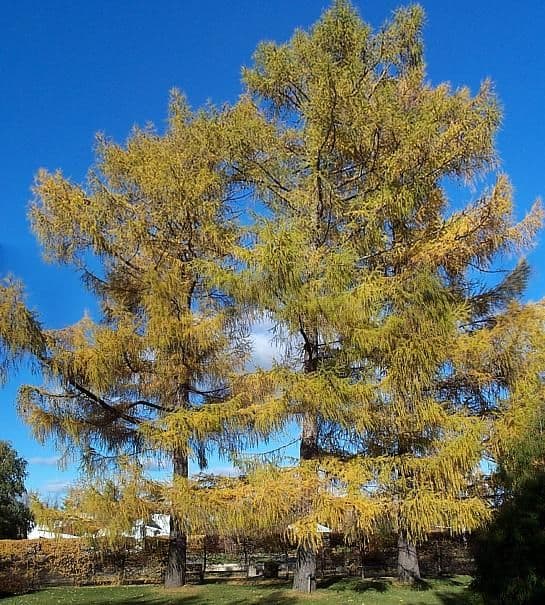

The Siberian Larch, scientifically known as Larix sibirica, is a species of larch native to Siberia. This hardy, deciduous conifer is adapted to withstand the harsh, subarctic climates of its native region, demonstrating its incredible resilience and adaptability. The tree is notable for its height, as mature Siberian Larches can reach up to 30 meters tall, with a trunk diameter of 1 meter. It is one of the dominant trees in the vast Siberian taiga, the largest forest in the world.
The tree's bark is thick and flaky, providing it with a layer of insulation against the cold. Its leaves, or needles, are bright green in the summer and turn yellow before they fall in the autumn. Unlike most conifers, the Siberian Larch is deciduous, meaning that it loses its needles in the fall, a feature that helps it conserve water during the long, cold winters. The tree's cones are small, round, and brown, with each cone containing numerous seeds.
The Siberian Larch is known for its durable, water-resistant wood. Its wood is dense, heavy, and features a straight grain, making it ideal for construction. In fact, its wood was historically used to construct Russian naval ships due to its durability and resistance to decay. Today, this wood is used for a variety of purposes, including furniture, flooring, and even musical instruments. Despite its hardness, the wood is relatively easy to work with, making it a popular choice among carpenters and woodworkers.
The Siberian Larch has also been used for medicinal purposes. Indigenous communities in Siberia have long used parts of the tree to treat various ailments. The tree's resin, for example, has been used to treat wounds and burns, while its bark has been used to treat respiratory problems. Modern research has confirmed that the Siberian Larch contains beneficial compounds, including antioxidants and anti-inflammatory agents.
In addition to its practical uses, the Siberian Larch is a beautiful tree that is often planted for ornamental purposes. Its tall, slender shape, combined with its bright green needles and attractive cones, make it a popular choice for landscaping. However, due to its cold-hardiness, it is best suited to cooler climates and may struggle in warmer regions.
Despite its many uses and benefits, the Siberian Larch is not without its challenges. The tree is susceptible to several diseases and pests, including larch canker and the larch sawfly. However, with proper care and management, these issues can be mitigated. Climate change also poses a threat to the Siberian Larch, as rising temperatures and changing precipitation patterns could disrupt its growth and survival.
The Siberian Larch plays a critical role in its ecosystem. As one of the dominant trees in the Siberian taiga, it provides habitat and food for a variety of wildlife. Its seeds are a food source for birds and small mammals, while its branches and trunk provide shelter. Additionally, the tree plays a key role in the carbon cycle, absorbing carbon dioxide and releasing oxygen.
The Siberian Larch also has cultural significance. For the indigenous communities in Siberia, the tree has spiritual significance and is often featured in local folklore and legends. The tree is seen as a symbol of strength and endurance, reflecting the harsh environment in which it thrives.
In conclusion, the Siberian Larch is a remarkable tree. Its ability to thrive in harsh conditions, its durable wood, and its medicinal properties make it an invaluable resource. Despite the challenges it faces, the Siberian Larch continues to stand tall, a testament to its resilience and adaptability. As we continue to learn more about this tree and its potential uses, it is clear that the Siberian Larch will continue to be an important part of Siberia's landscape and culture for generations to come.
The Siberian Larch, scientifically known as Larix sibirica, is a tree species that is native to the chilly terrains of Siberia in Russia. It is a frost-hardy species, capable of withstanding extremely low temperatures. This tree is not just famous for its resilience, but also for its myriad uses in various human activities and industries. The interaction of humans with the Siberian Larch has been prevalent for centuries, and the tree continues to play a significant role in different sectors.
The timber derived from the Siberian Larch is known for its robustness and longevity. It is remarkably resistant to decay and rot, which makes it a preferred choice in construction. It is used in the construction of buildings, bridges, ships, and even in railway sleepers. The wood is also utilized in making furniture and musical instruments due to its aesthetic appeal and durability. The Siberian Larch has been the construction material of choice for many, due to its incredible strength and resistance against harsh weather conditions.
One of the remarkable examples of the utilization of Siberian Larch in construction is seen in Venice, Italy. The city, famous for its canals and architecture, has foundations made of Siberian Larch. The wood was chosen because of its exceptional ability to withstand water for long periods without rotting. This is a testament to the incredible durability and resistance of Siberian Larch wood.
Beyond construction, the Siberian Larch also has significant uses in the medicinal world. The tree's bark and resin are used in traditional medicine, particularly in Russia and China. The bark is known to possess antiseptic, anti-inflammatory, and diuretic properties. It is used in the treatment of various health conditions such as respiratory problems, urinary tract infections, and skin disorders. The resin, also known as larch turpentine, is used as an antiseptic and a treatment for cuts and wounds.
Additionally, the Siberian Larch is a source of arabinogalactan, a polysaccharide used in food and medicine. It is known to support the immune system and is often used as a dietary supplement. The tree's needles are rich in vitamin C and have been used to prevent scurvy, a disease caused by vitamin C deficiency. The seeds of the Siberian Larch are also used in traditional medicine for their therapeutic properties.
In the realm of environmental conservation, the Siberian Larch plays a crucial role as well. It is an important part of the taiga ecosystem, the world's largest terrestrial biome. It contributes to the conservation of soil and water, and serves as a habitat for various species of wildlife. The tree is also a significant carbon sink, helping to mitigate the effects of climate change by absorbing carbon dioxide from the atmosphere.
Furthermore, the Siberian Larch has cultural and religious significance in various societies. In Mongolia, for instance, the tree is considered sacred and is often found near Buddhist monasteries. It is also a symbol of Siberia and is often used in literature and art to represent the region.
Despite its many uses, the Siberian Larch is under threat due to over-exploitation and climate change. Over-harvesting for its valuable timber and changes in its natural habitat pose significant challenges to its survival. It is crucial that sustainable practices are implemented in the harvesting and use of the Siberian Larch to ensure its continued existence and the preservation of the ecosystems it supports.
In conclusion, the Siberian Larch is not just a tree, but a vital resource that supports various human activities and industries. From construction to medicine, environmental conservation to cultural significance, the Siberian Larch has proven to be invaluable. Human interaction with this species, therefore, needs to be guided by principles of sustainability and respect for nature. With the right practices, the Siberian Larch will continue to be a resource for humanity and a crucial component of our planet's ecosystems.
The Siberian Larch, also known as Larix sibirica, is a tree species that's native to the cold, harsh environments of Russia and Siberia. This tree species is extremely resilient, able to survive and thrive in extreme weather conditions, with temperatures that can drop to minus 50 degrees Celsius or lower. Its toughness and resilience make it an important symbol in the cultures of the people who live in these regions.
In many parts of Siberia, the larch is seen as a symbol of endurance, strength and the ability to withstand adversity. In the harsh Siberian climate, survival is a constant struggle, and the Siberian Larch, with its ability to endure the cold and the wind, is often seen as a powerful symbol of this struggle. The tree is often used as a metaphor for the Siberian people themselves, who are known for their hardiness and their ability to survive in difficult conditions.
The Siberian Larch also has a spiritual significance in some Siberian cultures. The tree is often associated with longevity and immortality, due to its ability to live for hundreds of years. In some Siberian tribes, the larch is considered to be a sacred tree, and is often used in religious rituals and ceremonies. The tree's wood is often used to make sacred objects, such as totems and idols, and its branches are often used in rituals to bring good luck and ward off evil spirits.
In addition to its cultural and symbolic significance, the Siberian Larch also has a number of practical uses. The tree's wood is extremely durable and resistant to rot, making it an ideal material for building houses, bridges and other structures. It's also used to make furniture, tools and other items. The tree's bark is also used in traditional medicine, for treating a variety of ailments, from wounds and burns to digestive problems and respiratory illnesses.
The Siberian Larch has also played a significant role in the history of exploration and travel. Its wood was often used to build sleds and other vehicles, providing reliable transportation in the harsh Siberian landscape. The tree's ability to survive in extreme conditions also made it a valuable resource for explorers and travelers, who often relied on the tree for shelter, firewood and food. The tree's seeds were also used as a source of food, and its bark was used to make tea, providing vital nutrients in the harsh Siberian climate.
The Siberian Larch is not only a symbol of strength and endurance, but also a symbol of beauty. Despite its harsh environment, the tree is known for its beautiful, golden-orange autumn foliage, which stands out starkly against the white, snowy landscape. This contrast of colors is often used to symbolize the contrast between the harshness of life and the beauty of nature, a theme that is often reflected in Siberian art and literature.
The Siberian Larch has a significant place in Russian literature too. Many Russian novelists and poets have written about the larch, often using it as a symbol of the Russian spirit and the country's harsh, yet beautiful, landscapes. The tree's endurance and beauty have made it a favorite subject of Russian painters, who often depict the tree in their works, highlighting its striking autumn colors and its ability to survive in the harsh Siberian landscape.
In conclusion, the Siberian Larch is a tree that holds a special place in the hearts of the people of Siberia and Russia. Its strength, resilience and beauty make it a powerful symbol, one that embodies the spirit of the people and the landscapes of these regions. Whether it's being used in religious rituals, serving as a source of food and shelter, or simply serving as a reminder of the beauty of nature, the Siberian Larch is a tree that is deeply ingrained in the culture and identity of the Siberian people.
The Siberian Larch, also known as Larix sibirica, is a species of larch native to Western Siberia in Russia. Towering up to 30 meters tall, this captivating tree species is known for its robust and enduring nature, with the ability to withstand temperatures as low as -50 degrees Celsius. The aesthetic and experiential aspects of the Siberian Larch are as unique as its biological characteristics.
When it comes to aesthetics, the Siberian Larch is truly a marvel to behold. The tree, in its fully grown state, stands tall and majestic, exhibiting a conical shape. Its bark is distinctively thick and flaky, colored in a deep, rich brown that contrasts beautifully with the bright green of its needles. The needles, which are arranged in spirals on short shoots, add a soft, feathery aspect to the overall appearance of the tree.
The Siberian Larch is deciduous, meaning it sheds its needles once a year. In autumn, the needles turn a breathtaking shade of golden yellow before falling off, creating a dramatic, picturesque scene. This transformation not only adds to the aesthetics of the larch, but also brings about a unique experiential dimension. Observing this autumnal shift, one is reminded of the cyclical nature of life.
In spring, the Siberian Larch bursts into life anew, its branches burgeoning with fresh, vibrant green needles. This renewal is accompanied by the blossoming of small, inconspicuous flowers, which later develop into cones. The cones, initially green, mature to a nut-brown color and add another layer to the aesthetic palette of the tree.
The Siberian Larch is not just aesthetically pleasing, its experiential aspect is equally fascinating. The tree, with its deep-rooted strength and resilience, is often seen as a symbol of endurance. Its capacity to thrive in harsh conditions serves as a reminder of the power of survival and adaptation. Moreover, the Siberian Larch has a unique scent, especially when its bark and cones are warmed by the sun. This scent, resinous and slightly sweet, adds another sensory dimension to the experience of being in the presence of this remarkable tree.
The Siberian Larch also plays a vital role in its ecosystem. Its fallen needles create a dense carpet on the forest floor, providing habitat for a variety of insects. These insects, in turn, become food for birds and other forest dwellers. Thus, the experiential aspect of the Siberian Larch extends beyond human senses and perception, as the tree plays an integral role in the survival and sustainability of its environment.
Aesthetically, the Siberian Larch is also used in architecture and construction. Its wood is known for its strength, durability, and resistance to decay, making it a highly desirable material for building. The wood has a lovely pale yellow color, with a straight grain and uniform texture. When used in construction, it adds a warm, natural aesthetic to buildings and structures. Some famous examples include the ancient temples and shrines in Japan, and the legendary city of Venice, where Siberian Larch was used in the foundation piles due to its resistance to rot.
Experientially, the Siberian Larch also offers benefits in terms of health and well-being. Its resin, known as larch turpentine, has been used for centuries in traditional medicine for its antiseptic and expectorant properties. The aroma of the resin is also believed to have soothing and calming effects, contributing to mental relaxation and stress relief.
In conclusion, the Siberian Larch, with its exceptional aesthetic qualities and unique experiential attributes, is more than just a tree. It is a testament to endurance and adaptation, a contributor to its ecosystem, a provider of therapeutic benefits, and a source of inspiration for art, architecture, and design. It captivates the senses, engages the mind, and touches the spirit, offering a rich, multi-layered experience that goes far beyond its physical presence.