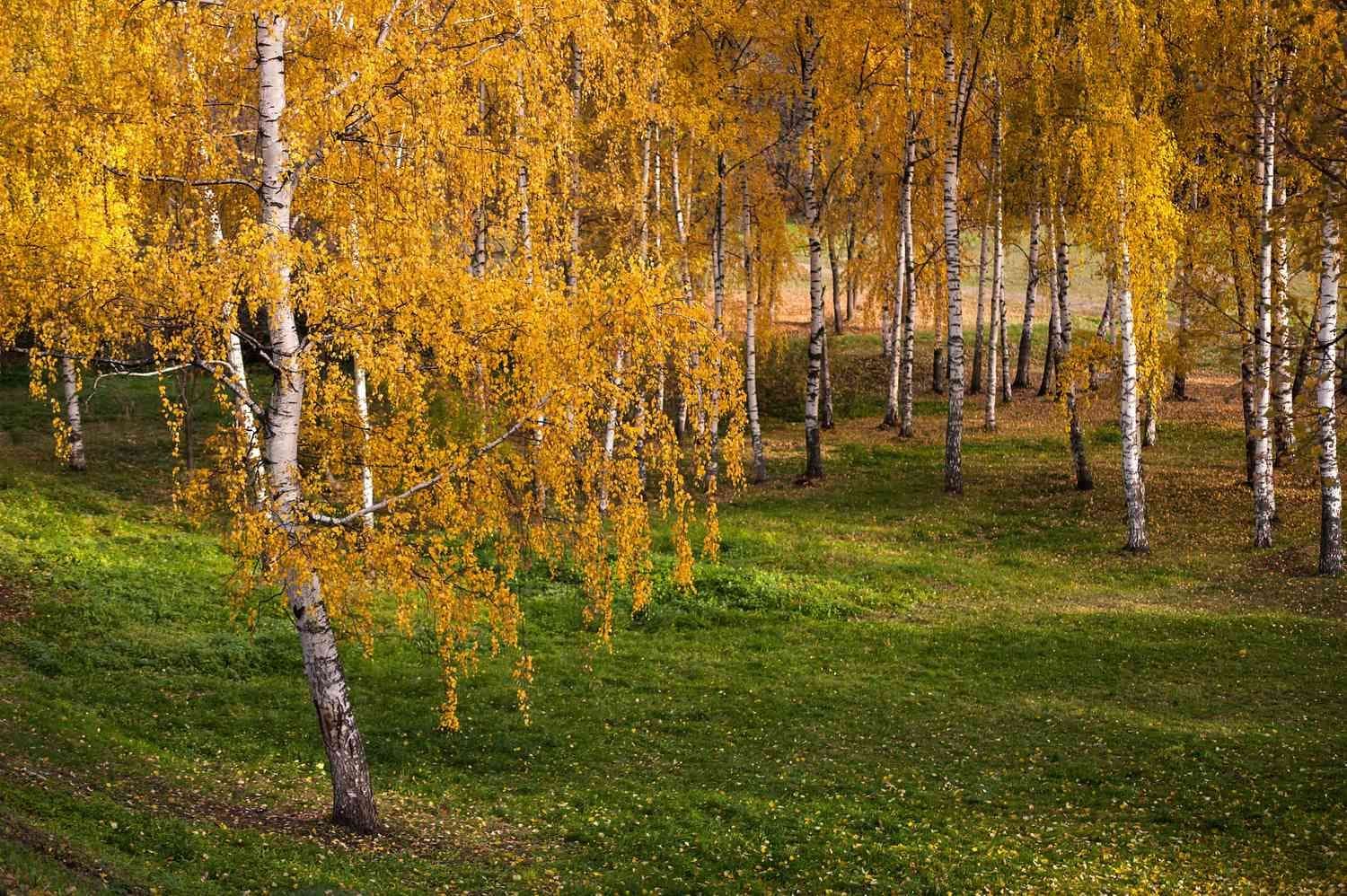

Silver Birch, scientifically known as Betula pendula, is a medium-sized deciduous tree. It is native to Europe and parts of Asia, though it can be found in North America and other parts of the world as an introduced species. This tree is often recognized by its distinctive silvery-white bark, from which it gets its name. Silver Birch trees are often found in forests, woodlands, and parks, and are popular for their aesthetic appeal as well as their ecological value.
The Silver Birch tree can grow up to 30 meters tall, with a slender trunk that is covered in a silvery-white bark that peels off in strips. The bark becomes darker and more rugged at the base of older trees. The leaves of the Silver Birch tree are small, triangular, and have a double-toothed margin. They are green in the summer and turn yellow in the autumn. The tree produces catkins in early spring – the male catkins are elongated and droopy, while the female catkins are shorter and upright.
The Silver Birch tree has a shallow root system and prefers well-drained soil. It can tolerate poor soil conditions and is often one of the first species to colonize bare or disturbed land. The tree requires plenty of sunlight and can survive harsh winters, making it a resilient and versatile species. It is often used in forestry for timber and paper production, and in landscaping for its ornamental value. The wood of the Silver Birch tree is hard, heavy, and has a fine grain. It is used for furniture, flooring, and plywood. The bark of the tree is used in traditional medicine for its antiseptic and astringent properties.
The Silver Birch tree plays a crucial role in the ecosystem. It provides food and habitat for many species of birds and insects. The leaves of the tree are eaten by caterpillars of many moth species, while the seeds are eaten by birds like finches and siskins. The tree also provides shelter for various species of birds that nest in its branches. In addition, the Silver Birch tree is a host to many species of fungi, some of which are beneficial to the tree, while others can cause disease.
The Silver Birch tree has a rich cultural significance in many societies. In Celtic mythology, the birch symbolizes renewal and purification. In Norse mythology, the birch is associated with the goddess Frigga, who is the goddess of wisdom and wife of Odin. The tree is considered sacred in many cultures and is often used in rituals and ceremonies. In modern times, the Silver Birch tree is celebrated for its beauty and is a popular subject in art and photography.
The Silver Birch tree is also known for its environmental benefits. It has the ability to improve soil quality by fixing nitrogen in the soil. Its leaves, when they fall and decompose, enrich the soil with organic matter. The tree also helps in reducing air pollution by absorbing harmful gases like carbon dioxide and releasing oxygen. Furthermore, the Silver Birch tree has a high water uptake, which can help in reducing soil erosion and managing water levels in the landscape.
Despite these benefits, the Silver Birch tree faces several threats. It is susceptible to a number of diseases, including birch leaf miner and birch dieback, which can cause significant damage to the tree. It is also vulnerable to pests like the bronze birch borer. Climate change and habitat loss also pose significant threats to the survival of the Silver Birch tree.
In conclusion, the Silver Birch tree is a remarkable species with a distinctive appearance and a host of ecological, cultural, and environmental benefits. Its resilience and versatility make it a valuable asset in forestry and landscaping. However, it is important to protect and conserve this tree to ensure its survival and continued contribution to our environment.
The Silver Birch, scientifically referred to as Betula pendula, is a species of tree in the family Betulaceae, native to Europe and parts of Asia. Universally adored for its aesthetic appeal and its ecological value, the Silver Birch has been a part of human life and interaction for centuries. Its uses span from practical and medicinal to symbolic and ornamental, making it a prevalent part of human culture across different societies.
From a practical standpoint, the Silver Birch has provided humans with a wealth of resources. The wood of the Silver Birch is hard and heavy, making it ideal for construction, furniture making, and carving. Its wood is also utilized as firewood due to its high calorific value, providing warmth and comfort to countless homes over the centuries. The bark of the tree, known for its distinct silvery-white colour, is highly waterproof and has been used in the past to make roofing and footwear. Furthermore, the sap of the Silver Birch is a sweet-tasting liquid that can be tapped and used to make wine or syrup.
Medicinally, many cultures have found uses for the Silver Birch. Its leaves, bark, and buds have been used in traditional medicine for their antimicrobial, diuretic, and anti-inflammatory properties. The leaves can be used to make a tea that is believed to help with rheumatism and gout. The bark, when applied topically, is thought to aid in the healing of wounds and the treatment of skin conditions. The buds can be used to make an oil that is used for massage and to alleviate muscle and joint pain. The sap, when ingested, is said to have detoxifying effects on the liver and kidneys.
The Silver Birch also holds significant symbolic value in various cultures. In Celtic mythology, the birch symbolizes renewal and purification. In Nordic mythology, the birch is associated with the goddess Frigg, who is a patroness of marriage and motherhood. In Russian folklore, the birch is often personified as a young woman or a maiden. In modern times, the Silver Birch is often planted in gardens and parks for its ornamental value. Its elegant form, silvery bark, and delicate leaves make it a popular choice for landscape design.
Ecologically, the Silver Birch plays a vital role in supporting biodiversity. It provides a habitat and food source for a multitude of species, including insects, birds, and mammals. The Silver Birch is often the first tree to colonize open ground and can act as a pioneer species in forest regeneration efforts. It is also known to improve soil quality by fixing nitrogen in the soil.
In recent years, the Silver Birch has also been utilized in efforts to combat climate change. It is a fast-growing species, capable of absorbing a significant amount of carbon dioxide from the atmosphere. As such, planting Silver Birch trees is a popular strategy in carbon offsetting projects.
In conclusion, the Silver Birch is a tree that has been intertwined with human life and interaction for centuries. From practical uses in construction and medicine, to symbolic meanings in folklore and mythology, to its role in ecology and climate change mitigation, the Silver Birch continues to be a valued member of our natural world, providing us with resources, beauty, and the promise of a healthier planet.
The Silver Birch is a tree that holds significant cultural and symbolic value across different societies and cultures. Its Latin name, Betula Pendula, refers to the trees pendulous branches, while Silver Birch describes its unique, silvery bark. This tree is native to Europe and parts of Asia, but has been introduced to other parts of the world due to its beauty and versatility. It is a symbol of new beginnings, renewal, and purification.
In Celtic mythology, the Silver Birch is considered a symbol of love and fertility. It is associated with the goddess Brigid, who is the deity of fertility, healing, and poetry. The Celts believed that the Silver Birch had protective properties, and they used its branches to ward off evil spirits. It was also used in the ritual of Beltane, where two Birch trees would be planted at the entrance to signify a gateway to the spirit world.
In Norse mythology, the Silver Birch was associated with the goddess Freya, who was the deity of love, beauty, and fertility. The Birch tree was seen as a life-giving tree, one that brings forth new life in the spring. The Norse people used Birch bark to write messages and runes, believing that the tree's inherent magic would imbue their words with power.
In Russian folklore, the Silver Birch is a sacred tree, often associated with the spirit of the forest. It is believed that the Birch tree has a soul, and cutting it down without proper rituals could anger the forest spirits. The Birch tree is also a symbol of Russia itself, depicted in many folk songs and poems as a mother figure providing shelter and sustenance to her children.
In the British Isles, the Silver Birch is linked with the Ogham tree calendar, a Celtic system of timekeeping. The Birch tree represents the period from December 24th to January 20th. It is associated with the new year, as it is the first tree to bloom after winter, symbolizing the start of a new cycle.
The Native American tribes of North America also recognized the Birch tree for its medicinal properties. They used the bark to treat various ailments, and the sap was used as a natural remedy for coughs and colds. The Birch tree was also used in construction, as the wood is strong and durable, making it ideal for building canoes and other structures.
The Silver Birch is also significant in modern culture. It is a popular choice for landscaping due to its elegant appearance and hardy nature. Its bark and leaves are used in the production of various products, including cosmetics, medicinal products, and dyes. The tree is also used in the production of Xylitol, a natural sugar substitute.
Symbolically, the Silver Birch stands for resilience. Despite its delicate appearance, it can withstand harsh weather conditions and is one of the first trees to regrow after a forest fire. This has made it a symbol of hope and rebirth, qualities that resonate with people across cultures and eras.
Furthermore, in the language of flowers and trees, Birch is often used to symbolize grace, flexibility, and high ideals. It is seen as a tree of wisdom, with its deep roots and high branches representing the connection between the earthly and spiritual realms. In this context, the Silver Birch is often used as a symbol of aspiration, growth, and potential.
In conclusion, the Silver Birch is a tree that carries a rich tapestry of cultural and symbolic meanings. Whether it's seen as a protector, a life-giver, or a symbol of resilience, it is a tree that has touched the hearts of people in many different cultures. Its beauty and versatility continue to inspire and provide for humanity, making it a truly special part of our natural world.
Silver birch, scientifically known as Betula pendula, is a species of tree in the family Betulaceae endemic to Europe and parts of Asia. Its aesthetic allure and experiential aspects are widely recognized, making it a favorite among nature enthusiasts, gardeners, and landscape architects.
The Silver Birch is an exceptionally tall and slender tree that can reach heights of up to 30 meters. Its bark, from which it derives its name, is a distinctive silver-white color that peels back in layers, revealing a darker, deeper layer underneath. This striking visual contrast provides an aesthetic appeal that is both unique and captivating. The bark's texture is also quite smooth, further adding to its attractiveness.
The leaves of the Silver Birch are another aspect of its aesthetic appeal. They are small, triangular, and have a delicate, almost lacy appearance. Their color ranges from a bright, vibrant green in the spring and summer to a golden yellow in the fall, providing a visual spectacle throughout the seasons. The leaves also flutter in the breeze, creating a visual and auditory experience that is calming and soothing.
The Silver Birch also produces catkins, which are long, cylindrical flower clusters. These add another layer of visual interest to the tree. The male catkins are longer and droop down, while the female catkins are shorter and stand upright. They appear in early spring before the leaves and add a touch of soft color to the tree.
The Silver Birch is not just aesthetically pleasing, but also offers a rich experiential aspect. It is a hardy tree that can withstand harsh conditions, symbolizing strength and resilience. In many cultures, it is seen as a symbol of renewal and purification, and its presence is often considered to bring good luck.
Walking through a grove of Silver Birches can be a truly immersive experience. The sound of the wind rustling through the leaves, the sight of the sunlight filtering through the branches, and the feel of the smooth bark under your fingertips all contribute to a profound sense of connection with nature. This connection can be both calming and invigorating, allowing you to momentarily escape from the hustle and bustle of everyday life.
The Silver Birch also plays a crucial role in biodiversity. It provides food and habitat for a variety of wildlife, including birds, insects, and small mammals. Observing these creatures in their natural habitat can be a rewarding experience, fostering a deeper appreciation for the delicate balance of nature.
Furthermore, the Silver Birch has been used for centuries for its medicinal properties. The sap, leaves, and bark have been used in traditional medicine to treat various ailments. Even today, many people value the Silver Birch for its healing and wellness properties, providing yet another experiential aspect to this remarkable tree.
In landscaping, the Silver Birch is often used for its aesthetic appeal. Its tall, slender form, distinctive bark, and delicate leaves make it a popular choice for parks, gardens, and urban environments. It is particularly stunning when planted in groups, creating a forest-like atmosphere even in city settings. Its ability to grow in a variety of soils and conditions also makes it a versatile choice for landscaping projects.
In conclusion, the Silver Birch is a tree of exceptional aesthetic and experiential value. Its distinctive appearance, rich symbolism, and the immersive experience it provides make it a truly remarkable tree. Whether you are a nature enthusiast, a gardener, or simply someone who appreciates beauty, the Silver Birch has something to offer. It is a testament to the wonders of nature, reminding us of the importance of biodiversity and the need to protect and preserve our natural environments.