Does the Concept of the Soul Still Make Sense?
05 Mar 2026

Preamble — About This Series
This article is part of a series that explores foundational questions at the boundary of science, philosophy, and human experience.
The series emerged from an extended dialogue between a human author and an artificial intelligence system. That dialogue served as a space for careful questioning, conceptual testing, and intellectual refinement. The texts presented here are not raw AI outputs, but curated essays shaped through human editorial judgment.
The aim is not to provide final answers, but to clarify what we can reasonably claim, what remains unresolved, and where intellectual honesty requires restraint rather than speculation.
Part 5 of 8
Does the Concept of the Soul Still Make Sense?
A Word We Avoid Too Quickly
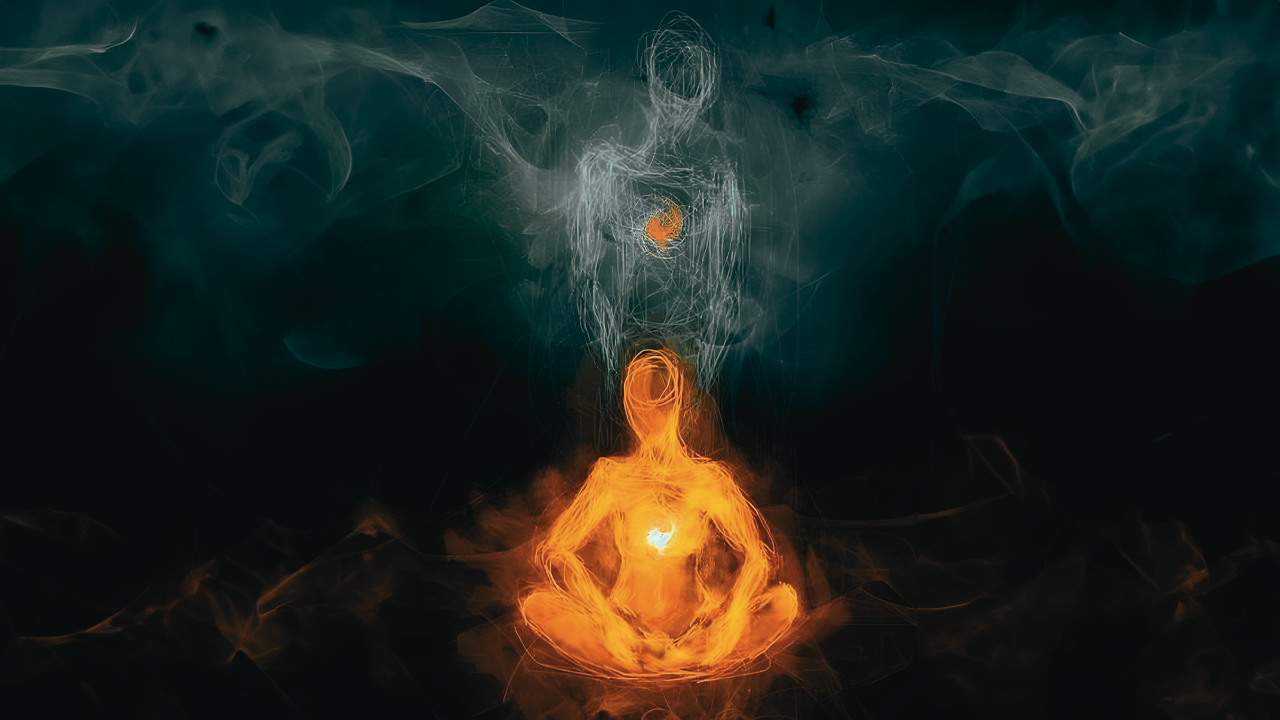
In modern intellectual culture, the word “soul” is often dismissed before it is defined.
For some, it implies superstition.
For others, it implies immortality.
For still others, it signals religious commitment.
But historically, the concept of the soul was not merely theological. It was an attempt to answer a fundamental question:
What makes a person the same person over time?
Before neuroscience, before psychology, and long before artificial intelligence, “soul” was the name given to the principle of identity, continuity, and life.
The question is not whether the traditional concept survives intact.
The question is whether the underlying problem it tried to address still remains.
It does.
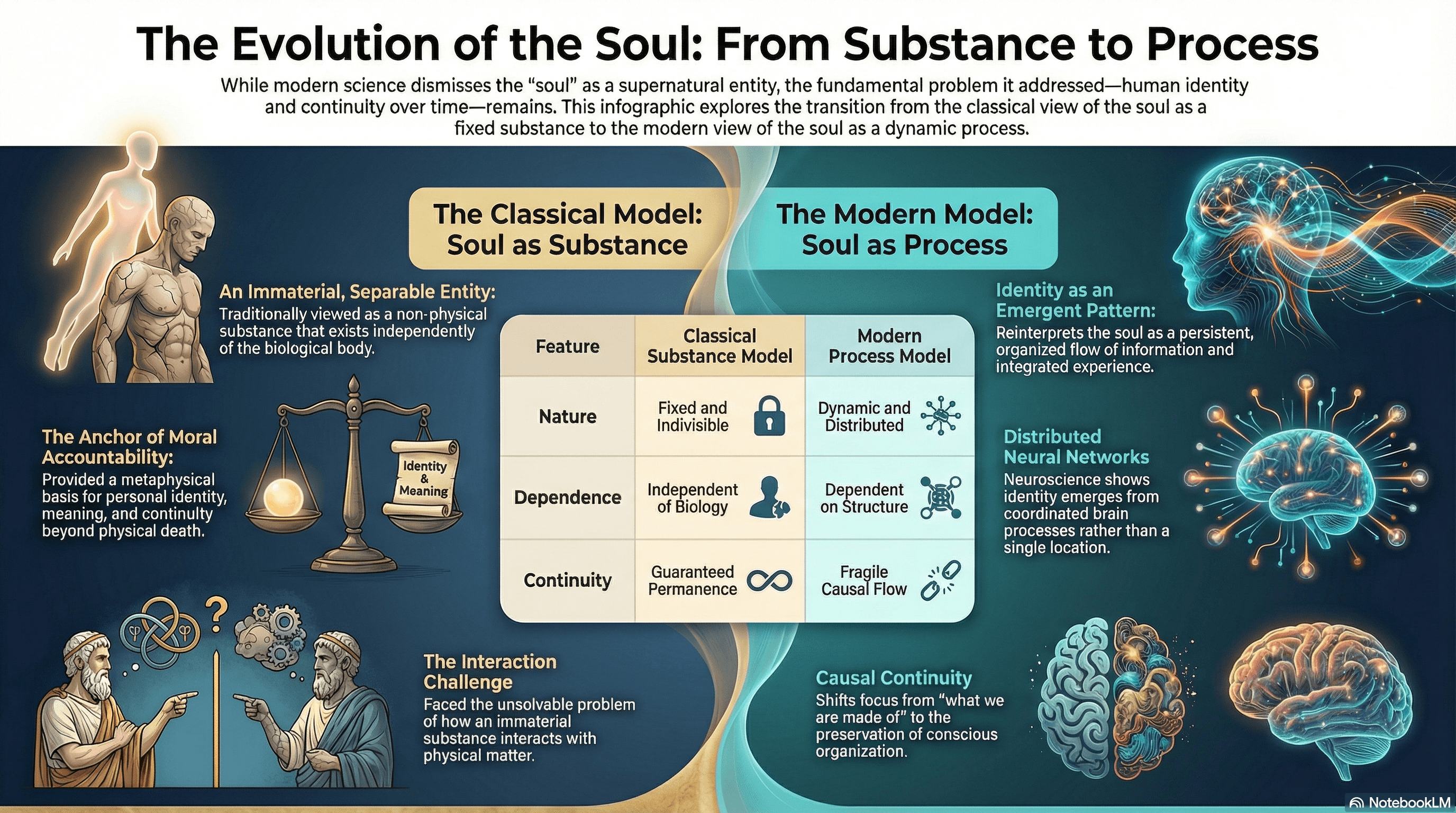
The Classical View: A Separate Substance
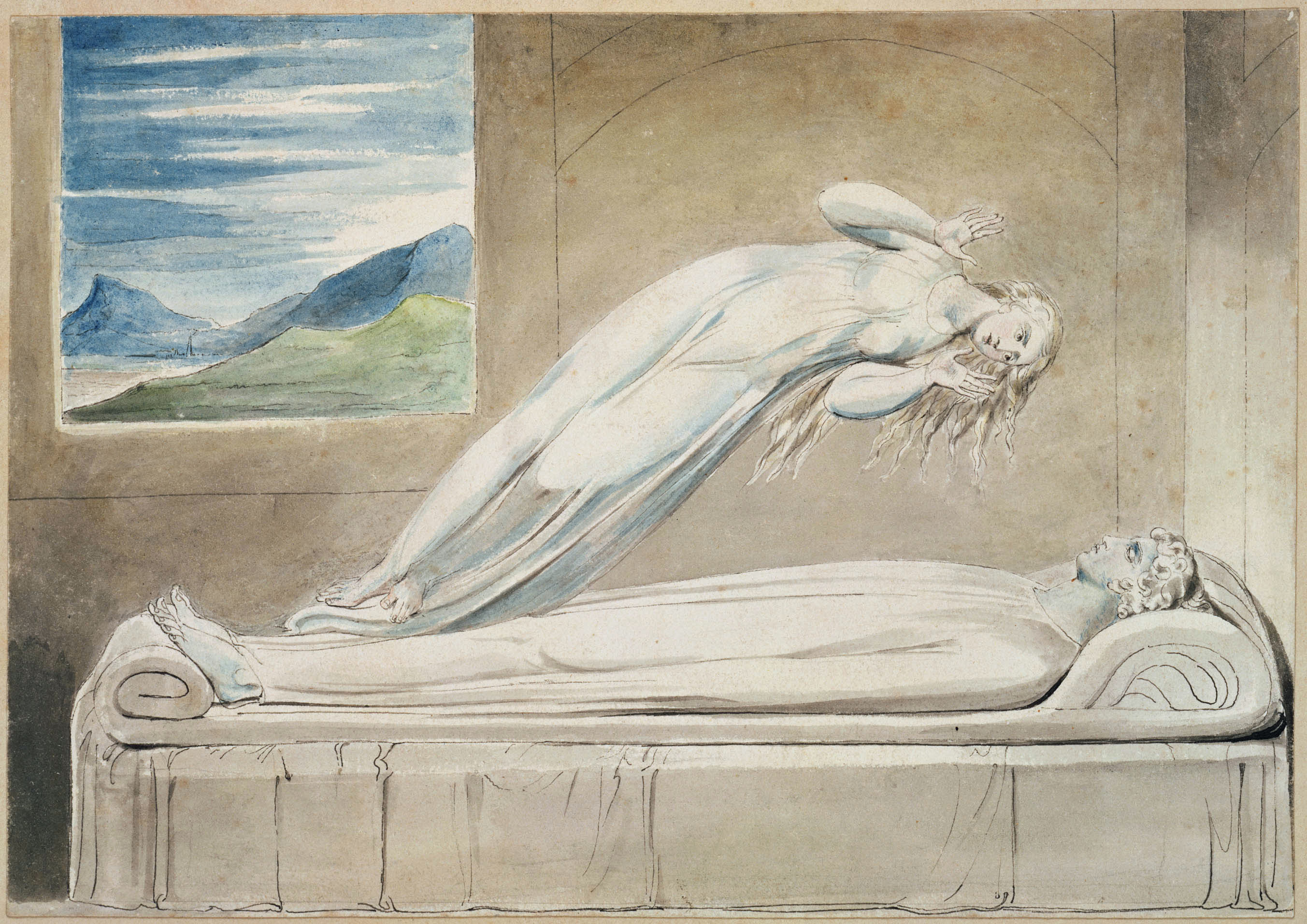
Traditionally, the soul was conceived as:
- immaterial,
- separable from the body,
- capable of surviving death,
- the bearer of identity.
This dualistic model provided strong answers:
- personal continuity beyond death,
- moral accountability,
- metaphysical grounding for meaning.
But it introduced a deep difficulty:
How does an immaterial substance interact with physical matter?
Modern science has found no empirical evidence for such a separate entity. The brain appears sufficient to account for memory, personality, and cognitive function.
As a metaphysical hypothesis, the soul-as-substance has lost explanatory necessity.
But the disappearance of that model does not eliminate the underlying issue.
The Self Without Substance

If the soul is not a separate entity, what remains?
Neuroscience suggests that what we call the “self” is:
- distributed,
- dynamic,
- constructed,
- dependent on memory and integration.
There is no single location in the brain where “the self” resides. Instead, identity emerges from coordinated processes across networks.
This challenges the idea of a fixed, indivisible essence.
But it does not eliminate identity. It reframes it.
The self may not be a substance.
It may be a process.
The Soul as Pattern
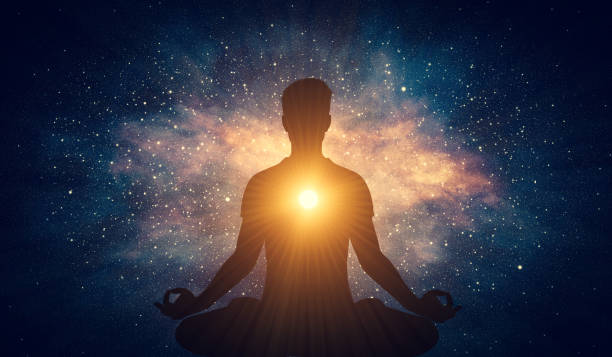
If we strip the concept of its supernatural assumptions, we arrive at a more precise possibility:
The soul is the persistent pattern of conscious organization that constitutes a person.
In this view:
It is not immaterial in the traditional sense.
It is not independent of structure.
It is not guaranteed permanence.
But it is real — in the same way that:
- information is real,
- mathematical structures are real,
- patterns in complex systems are real.
A symphony is not reducible to a single instrument.
A person may not be reducible to a single neuron.
The soul, reinterpreted, becomes the continuity of integrated experience over time.
Continuity and the Problem of Identity
This reframing raises a critical question:
What counts as preserving the soul?
If identity is a process rather than a substance, then continuity becomes central.
If memory is erased, is the same person still present?
If personality shifts radically, does identity persist?
If a mind were copied perfectly, which instance would be “the” person?
These questions are no longer speculative. Advances in neuroscience and artificial intelligence make them increasingly concrete.
If the self is a pattern, then:
- copying may not equal continuity,
- simulation may not equal survival,
- duplication may create divergence.
The soul, in this framework, depends on causal continuity, not mere structural similarity.
Beyond Biology

If the soul is a process grounded in organisation rather than substance, then another possibility emerges:
Could the soul persist beyond biological matter?
If consciousness depends on structure and integration rather than carbon chemistry specifically, then in principle, identity might migrate to other substrates.
This possibility does not guarantee survival.
It makes survival a technical and philosophical question rather than a theological one.
The ancient hope of immortality becomes reframed as a question of continuity.
But even here, uncertainty remains:
Does transferring information preserve identity?
Or does interruption constitute death, even if reconstruction is perfect?
The modern reinterpretation of the soul does not remove mystery.
It relocates it.
Why the Concept Still Matters
Even if one rejects metaphysical dualism, the concept of the soul continues to serve a function.
It points toward:
- moral responsibility,
- personal continuity,
- the value of conscious experience,
- the intuition that a person is more than an arrangement of particles.
The language may evolve.
The metaphors may shift.
But the problem persists.
Human beings do not merely exist.
They experience.
And that experience unfolds over time in a way that gives rise to identity.
What We Can Say Honestly
We have no evidence for an immaterial, separable soul.
We have strong evidence that identity depends on brain processes.
But we also have no complete account of:
how subjective experience arises,
what constitutes persistence of self,
or whether consciousness is transferable.
The classical soul may not survive scientific scrutiny.
Yet the question it tried to answer remains unresolved.
The Question That Follows
If identity is process rather than substance, and if continuity is fragile rather than guaranteed, then a final question emerges:
What gives value to a finite, possibly discontinuous self?
If the soul is not eternal, does existence lose significance —
or does responsibility become more urgent?
That question carries us into the next stage of the series.
AI Dialogue Podcast
To explore these ideas further, we generated an experimental podcast conversation between two AI systems discussing the themes of this article.
The dialogue is not presented as an authoritative conclusion, but as an illustration of how artificial systems can already engage with philosophical questions.
| The debate |
Next Article
Death, Identity, and Meaning in a Post-Biological Future
What happens to value when mortality is no longer inevitable?
Share

Gonçalo Pereira
Gonçalo Pratas Pereira is an IT and technology leader with deep expertise in system integration, cloud computing, data infrastructure, and artificial intelligence. With a background in electronics and telecommunications engineering, his work focuses on connecting AI-driven systems, immersive technologies, and digital infrastructure with business strategy and real-world impact. He is particularly interested in how AI and emerging technologies can enhance education, cities, and large-scale digital transformation.