Psychosynthesis: The Psychology of the Whole Self
02 Dec 2025

Ever feel like you're being pulled in ten different directions at once? Your ambitious side wants to work late, but your tired body begs for rest. Your logical brain says one thing, your heart says another. It's exhausting, isn't it?
Here's the good news: you're not broken. You're just human. And there's a powerful approach to psychology that can help you bring all these scattered pieces together. It's called psychosynthesis.
What Is Psychosynthesis?
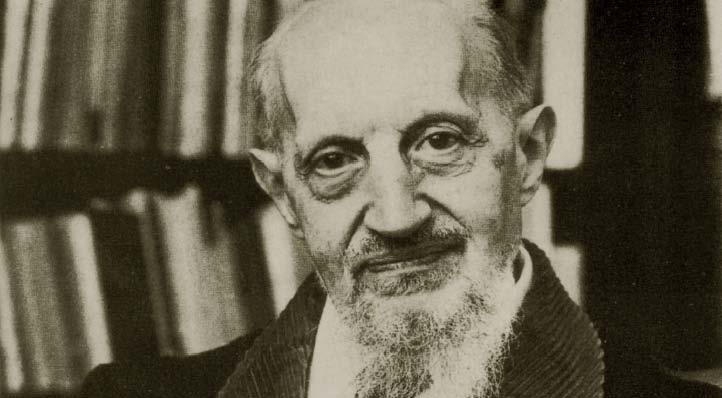
Psychosynthesis is about becoming whole. It was created by Italian psychiatrist Roberto Assagioli in the early 1900s, and it's based on a simple but revolutionary idea: we all have different parts inside us, and the key to feeling balanced is learning how to integrate them.
Most psychology focuses on fixing what's wrong. Psychosynthesis asks a different question: "What's trying to grow in you?"
You're Not Your Thoughts

Here's one of the most freeing ideas in psychosynthesis: you are not your anxiety. You're not your anger. You're not even your thoughts. You're the person who notices all of these things.
Think of it like this: imagine you're watching a play. On stage, different characters are performing, maybe there's a Perfectionist, a Worrier, an Inner Child, and a Rebel.
These characters aren't you. You're the one sitting in the audience, watching. You can see what they're doing without being controlled by them.
This is called disidentification and it changes everything.
The Different Parts of You
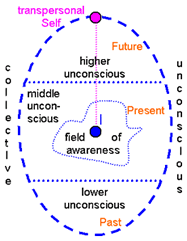
Psychosynthesis gives us a map of who we are:
Your everyday self is the part that gets through the day, makes decisions, and deals with life. But there's more to you than that.
Your higher self is your deepest wisdom. It's that quiet voice that knows what's really right for you. It's the part of you that feels connected to something bigger, that experiences moments of clarity and peace.
Your subpersonalities are the different characters we just talked about. The People-Pleaser. The Achiever. The Protector. Each developed to help you survive and navigate life. They're not problems to fix—they're parts to understand and integrate.
Why This Matters Now
We live in a world that constantly pulls us apart. Work demands one thing, family another. Social media tells us to be one way, while our hearts want something else. We're exhausted from trying to be everything to everyone.
Psychosynthesis offers a way back to wholeness. It doesn't just help you feel better, it helps you become more fully yourself. It acknowledges that life isn't just about reducing suffering. It's also about finding meaning, discovering your purpose, and living authentically.
How It Actually Works
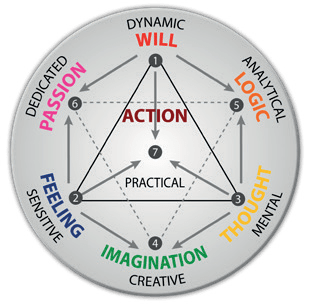
Psychosynthesis isn't just theory. Here are some practical ways it helps:
Understanding your inner characters. When you're feeling conflicted, you can actually have a conversation between the different parts of yourself. What does your scared part need? What's your ambitious part trying to achieve? When you understand each voice, you can find solutions that honor all of them.
Using visualization. Guided imagery helps you tap into deeper wisdom. You might visualize a wise guide, explore an inner landscape, or see yourself as you want to become.
Becoming who you want to be. Instead of focusing on what's wrong with you, you imagine your ideal self. What qualities do you want to develop? How would that version of you act? Then you start taking small steps in that direction.
Strengthening your will. This isn't about forcing yourself to do things. It's about learning to make choices that align with your authentic self instead of just reacting automatically.
The Path to Wholeness
Psychosynthesis unfolds naturally. First, you explore and get to know yourself without judgment. Then you learn to observe your thoughts and feelings without being controlled by them. Gradually, the different parts start coming together around your true center. Finally, you start living more from your deepest wisdom.
This isn't a straight line. You'll circle back to old themes throughout your life, each time understanding them more deeply.
Who Is This For?

Psychosynthesis speaks to people who want more than just to feel less bad. It's for you if:
- You're searching for deeper meaning in life
- You feel like something more wants to emerge in you
- You're tired of feeling fragmented
- You want to understand yourself more deeply
- You're drawn to approaches that honor both healing and growth
Getting Started
You can begin right now with simple awareness. Notice the different voices in your head today. Which part of you is running the show right now? When do you feel most like your true self?
You might work with a trained psychosynthesis therapist, join a group, try journaling exercises, or explore through creative expression like art or writing.
The Promise
Here's what psychosynthesis offers: you can be whole. You don't have to choose between success and peace, logic and intuition, independence and connection. All of these can exist together when they're integrated around who you really are.
In a world that asks us to show only certain parts of ourselves, psychosynthesis invites us to be complete. To be contradictory and complex. To hold both light and shadow. To be imperfectly, beautifully human.
You don't need to become someone new. You just need to uncover who you've always been beneath the layers of fear and conditioning.
Your whole self is already there, waiting for you to come home.
Share

Sara Srifi
Sara is a Software Engineering and Business student with a passion for astronomy, cultural studies, and human-centered storytelling. She explores the quiet intersections between science, identity, and imagination, reflecting on how space, art, and society shape the way we understand ourselves and the world around us. Her writing draws on curiosity and lived experience to bridge disciplines and spark dialogue across cultures.