Yoga For Stillness, Inner Strength & Outer Success

What happens when childhood lessons from a small Indian village meet the demands of global business? Rooted in rural simplicity and supported by modern neuroscience, spiritual leadership is reshaping how decisions are made, teams are inspired, and crises are handled.
From Rural Silence to Inner Strength
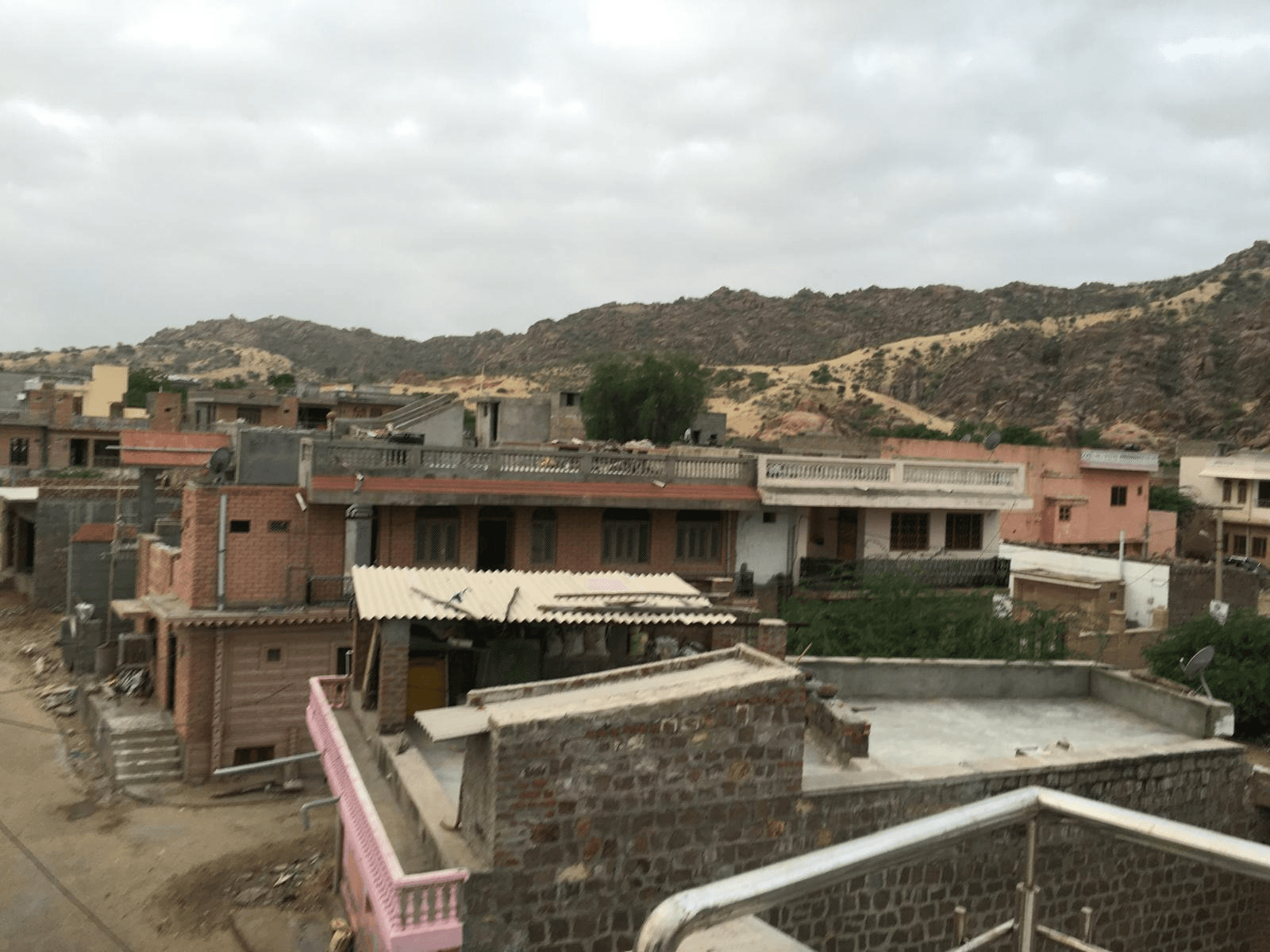
My journey began in Dhorimanna, a small village framed by the Aravalli ranges and the golden dunes of western India. Life there moved with the rhythm of nature, simple, unhurried, and deeply human. We lived with little, yet felt rich in connection, belonging, and purpose. The lessons I absorbed from the calm desert mornings and the kindness of neighbours became the seeds of my spiritual pathway.
Years later, as I navigated the complexities of modern business, I discovered that these early values were not just memories, they were my foundation for inner balance, clarity, and sustainable leadership.
APJ Abdul Kalam, who was born into a family facing economic disadvantages, became a prominent scientist and the President of India. He often described his childhood as secure, both materially and emotionally, thanks to his parents' wisdom, kindness, and their focus on providing the necessities of life along with a supportive environment.
Difference Between Exercise vs. Yoga for Modern Business Leaders
Exercise: Strength of the Body
Exercise builds endurance, resilience, and physical vitality. It sharpens the discipline qualities every business leader needs. It fuels the body. Regular physical exercise, whether it’s cardio, strength training, or flexibility exercises, improves overall health, reduces stress, and boosts energy levels. It enhances focus and productivity by increasing blood flow to the brain and releasing endorphins, which elevate mood. Exercise also plays a key role in building mental toughness, which is crucial for business leaders who face constant pressure and challenge.
Yoga: Strength of the Mind & Spirit
Yoga blends breath, awareness, movement, and reflection. It unites body and mind, calming mental noise and nurturing clarity. It fosters adaptability—an invaluable trait in leadership. Yoga involves a deep focus on the breath, mindfulness, and deliberate movements that create a state of mental and physical equilibrium.
Yoga is an ancient physical, mental, and spiritual practice that originated in India over 5,000 years ago. The word "yoga" comes from the Sanskrit root "yuj," meaning to unite or join, symbolising the union of body, mind, and spirit. It encompasses a wide range of techniques and philosophies, with the goal of achieving a balanced, peaceful, and enlightened state of being.
It helps reduce stress and anxiety by teaching practitioners to slow down, breathe deeply, and cultivate awareness of their thoughts and emotions. As a result, yoga not only strengthens the body but also creates space for thoughtful decision-making, calm under pressure, and improved emotional intelligence.
Together:
Exercise builds outer strength; yoga builds inner strength.
Movement cultivates resilience; stillness cultivates vision.
“In business, exercise embodies discipline and perseverance, while yoga represents awareness and adaptability; together they form the twin pillars of sustainable success.”
Studies show employees who practise yoga before work report improved focus and emotional stability. For instance, Chade-Meng Tan's "Search Inside Yourself" program at Google integrates emotional intelligence training and mindfulness, which is a business-oriented approach to contemporary yoga.
The Spiritual Intelligence of Yoga and Mindfulness in Leadership
Yoga is not simply a physical routine. It is a profound practice of awareness, presence, and emotional mastery. It transforms decision-making, navigates conflicts, and enhances pressure management. Just as Steve Jobs harnessed Zen principles in India to shape Apple's minimalist elegance, modern leaders can draw upon yoga to foster clarity and intentional decision-making.
Research shows that regular yoga improves executive functions, such as working memory, attention control, inhibition (the ability to block distractions) and processing speed.
Yoga nurtures:
- Calm decision-making
- Emotional resilience
- Conscious communication
- Purpose-based leadership
True peace is not the absence of challenges. It is the ability to respond with grace rather than react with fear. Leaders who practice yoga develop this resilience, enabling them to handle crises with calmness and clarity.
Yoga's impact extends to long-term well-being, reducing burnout risk and improving sleep quality. A study of corporate wellness programs that included yoga and mindfulness showed improved job satisfaction and higher productivity, making it clear that yoga is integral to sustaining performance over time.
How Childhood Values Foster Spiritual Leadership
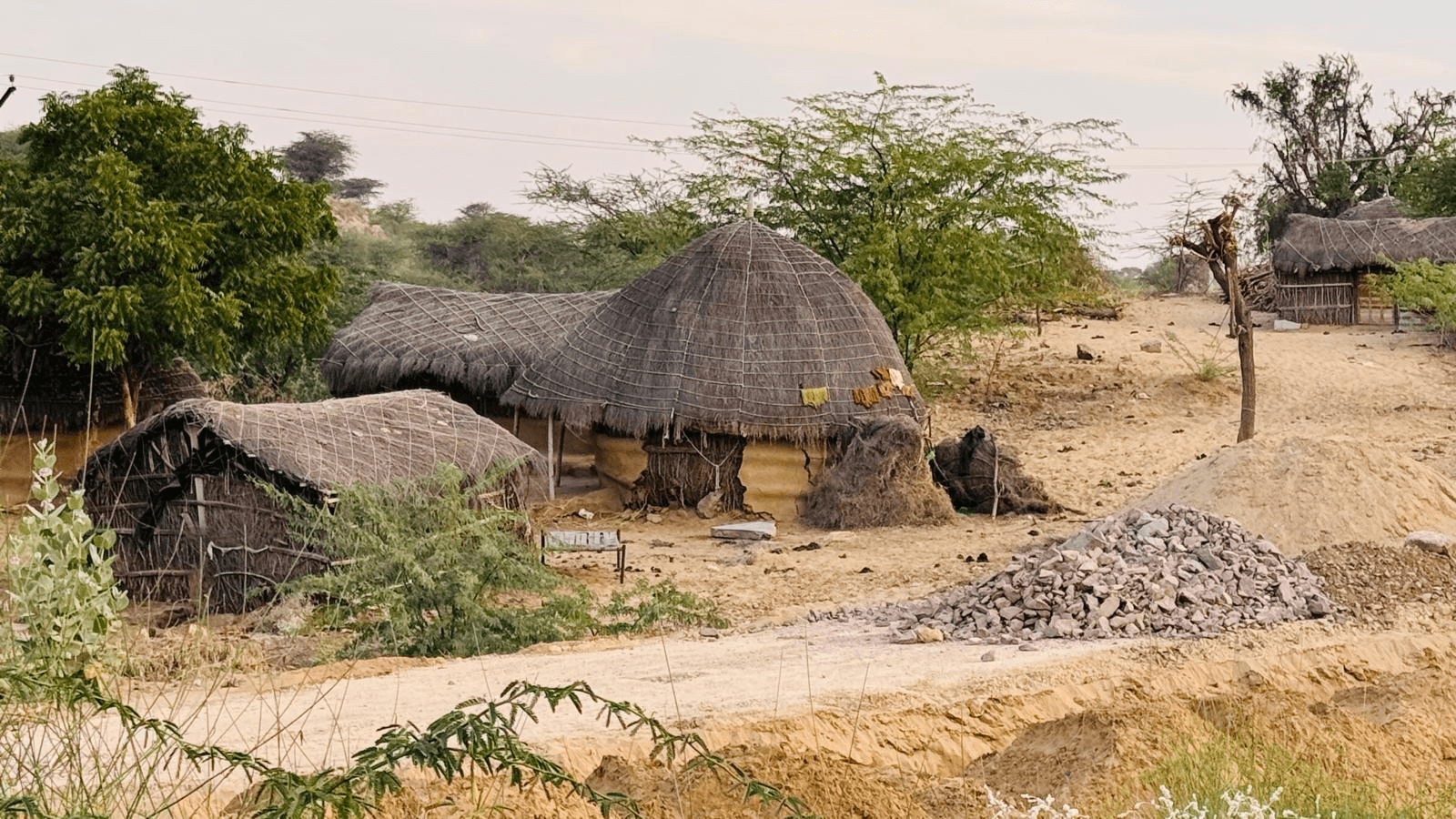
My upbringing in Dhorimanna instilled in me valuable spiritual values that didn't come from formal teachings:
- Silence served as a profound teacher, promoting reflection and inner peace.
- Kindness became an integral part of daily life, enhancing our interactions and connections.
- Community was prioritised over individual ego, fostering a strong sense of belonging.
- Work was approached with sincerity, valuing genuine effort over mere appearances.
These foundational experiences have shaped my understanding of spirituality as a vibrant, lived reality rather than a mere philosophical concept.
"The values of simplicity, empathy, and mindfulness I embraced in rural India now guide my modern business and leadership journey."
Yoga encourages mindfulness and empathy, improving social intelligence. Leaders with higher emotional intelligence are known to communicate better, build trust, and navigate conflicts effectively, which are essential qualities for sustainable leadership.
Innovative, Journey-Inspired Tips for Leaders
Embrace these tips to enhance your everyday life, nurturing productivity, focus, success, and tranquillity through mindfulness, paving the way to achievement and inner peace.
1. The “Dune Breath” Technique
Inspired by the tranquil inhalation of desert air at dawn. This technique involves long, slow breaths inspired by the calming, peaceful atmosphere of a desert at dawn. The idea is to take a few minutes in the morning before starting your day to calm the mind and prepare for the challenges ahead.
How to practice it:
- Sit in a comfortable position or stand tall.
- Close your eyes and inhale deeply through your nose for a count of four, hold for a second, and then exhale slowly through your mouth for a count of four.
- Repeat this process for three minutes.
- Focus on your breath and let go of any distractions.
Benefit: This technique clears mental fog and enhances emotional stability by stimulating the parasympathetic nervous system, helping reduce stress and increase focus for the day ahead.
2. The Village Circle Check-In
In rural life, unity was found in gathering before decisions. This practice is based on the village tradition of pausing for a moment of unity before making decisions. It involves a short time of silence and then expressing gratitude, encouraging connection and cooperation among a group.
How to practice it:
- Before beginning any meeting or group discussion, take one minute of silence.
- Follow this with one person in the group (or the leader) sharing something they are grateful for.
- Encourage everyone to reflect on the importance of cooperation and shared purpose.
Benefit: This ritual helps reduce conflict, improve focus, and foster a sense of unity and collaboration. Research shows that expressions of gratitude help build positive relationships and trust within teams.
3. The Inner Compass Pause
Villagers made choices anchored in intuition and integrity. The Inner Compass Pause is about reflecting on the clarity and intention behind a decision. Instead of acting impulsively, leaders take a moment to ensure their choices align with their core values and purpose.
How to practice it:
- Before making any important decision, pause and ask yourself: "Is this driven by clarity, or by pressure?"
- Reflect for a few moments and connect with your values. If it feels rushed or driven by external pressures, take time to reassess.
Benefit: This practice supports values-based leadership, encouraging decisions rooted in clarity and integrity. It helps leaders avoid reactive decision-making and fosters stronger, more thoughtful outcomes.
4. The Stillness Before Strategy Rule
Born from evenings of quiet contemplation in the village. This rule encourages taking time for stillness before jumping into strategy or planning. In the village, time spent in quiet contemplation was crucial for tapping into deeper wisdom and creativity.
How to practice it:
- Before engaging in any strategic planning or visionary work, spend 5 minutes in silence.
- Sit quietly, focus on your breathing, and clear your mind.
- Reflect on your goals and allow your mind to settle before moving forward.
Benefit: Spending time in stillness before strategising enhances creativity and helps leaders make more thoughtful decisions. This practice also reduces the stress of “urgency” and allows for deeper insights and innovation.
5. The Seva Leadership Approach
Service (seva) was our most valid form of spirituality. Seva, or selfless service, was central to the author's rural upbringing. In leadership, seva means prioritising the well-being and success of others, asking how you can support your team rather than just commanding them.
How to practice it:
- Lead by contributing. Ask your team: “How can I support your success today?”
- Approach leadership with a mindset of service and focus on empowering others rather than asserting authority.
Benefit: This approach builds trust, motivation, and loyalty among team members. It creates a culture where everyone feels valued and supported, fostering stronger relationships and improved team performance.
True Leadership Begins Within

From the tranquil quiet of rural life to the dynamic environments of corporate boardrooms, the core tenets of spirituality, awareness, compassion, and purposeful action remain steadfast and unwavering. This continuity signifies that, regardless of the setting, the essence of authentic leadership transcends mere hustle and is rooted in genuine human values.
When leaders foster a profound sense of inner calm and align it with their external ambitions, they create a synergy that elevates success into something far more meaningful than profit alone.
Such a holistic approach cultivates an environment where businesses not only thrive economically but also positively impact society, nurturing relationships and inspiring others to act with integrity and purpose. Embrace these practice tips for 30 days (a proven method) to make them a habit or daily routine and transform your personality as a global business leader.
Share

Dilip Pungliya
Industry Expert & Contributor
Dilip Pungliya is a business leader, Artificial Intelligence consultant, blockchain advisor, metaverse solution expert, data leader, technologist, and business, process, & technology architect. As a board member and significant shareholder of ztudium, Dilip brings a wealth of experience in business leadership and data technology. In his role as the Managing Partner of the ztudium Group, he benchmarks his strategic acumen in steering effective strategy and framework development for the company. Dilip also plays a pivotal role in his family's limited company in India, VPRPL, where he oversees operations and strategic planning. His professional journey includes impactful collaborations with esteemed organisations such as Shell, the Department for Environment Food and Rural Affairs, Deutsche Bank, ICBC Standard Bank Plc, BNP Paribas, and HSBC Investments. Beyond his professional endeavours, Dilip is deeply committed to philanthropy and charitable work, particularly during the global challenges presented by the COVID-19 pandemic.