From Barriers to Breakthroughs: The Four-Pillar Framework for Building Truly Inclusive AI Systems
01 Dec 2025

Part 7 of Wisdomia's Deep Dive into AI, Inclusivity, and Neurodiversity
From Diagnosis to Action
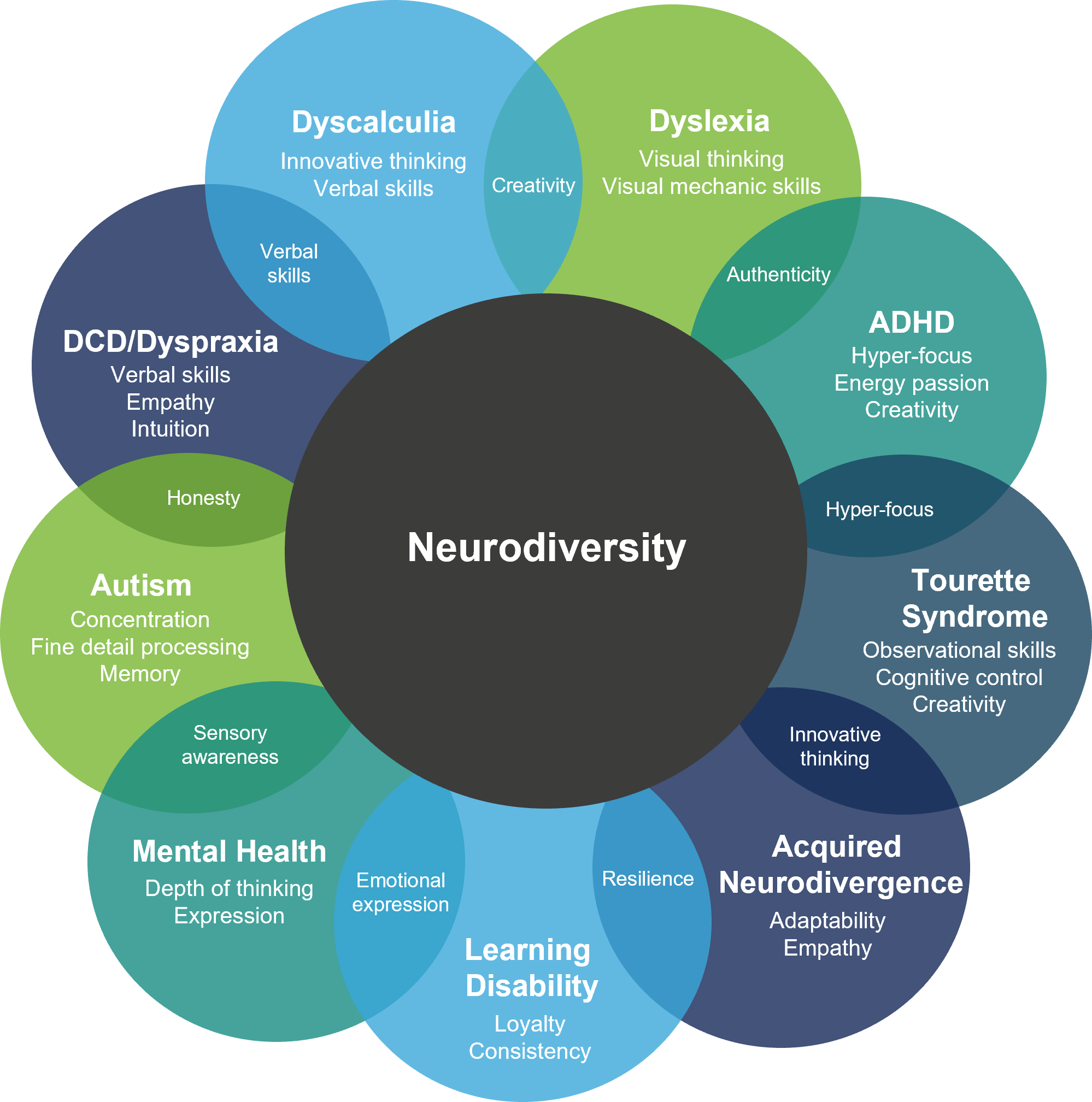
We've explored the massive need, the transformative technologies, the groundbreaking research, the corporate successes, the evolving policies, and the stubborn barriers that persist. We've confronted hard truths: one billion people denied access, rising workplace stigma, AI systems encoding discrimination.
Now comes the essential question: What do we actually do about it?
This chapter presents evidence-based best practices, proven approaches that turn principles into action. These aren't aspirational ideals or theoretical frameworks. They're actionable strategies implemented by leading organizations worldwide, with measurable outcomes and clear ROI.
Welcome to the implementation playbook.
The Four Pillars of Best Practice
Successful accessibility initiatives rest on four interconnected pillars:
- User-Centered Design and Co-Creation
- Comprehensive Support Systems (WHO-GATE 5P Framework)
- Workplace Neuroinclusion Strategies
- Ethical AI Development
Each pillar is essential. Each reinforces the others. Together, they create the foundation for AI systems that genuinely serve all people.
Pillar 1: User-Centered Design and Co-Creation
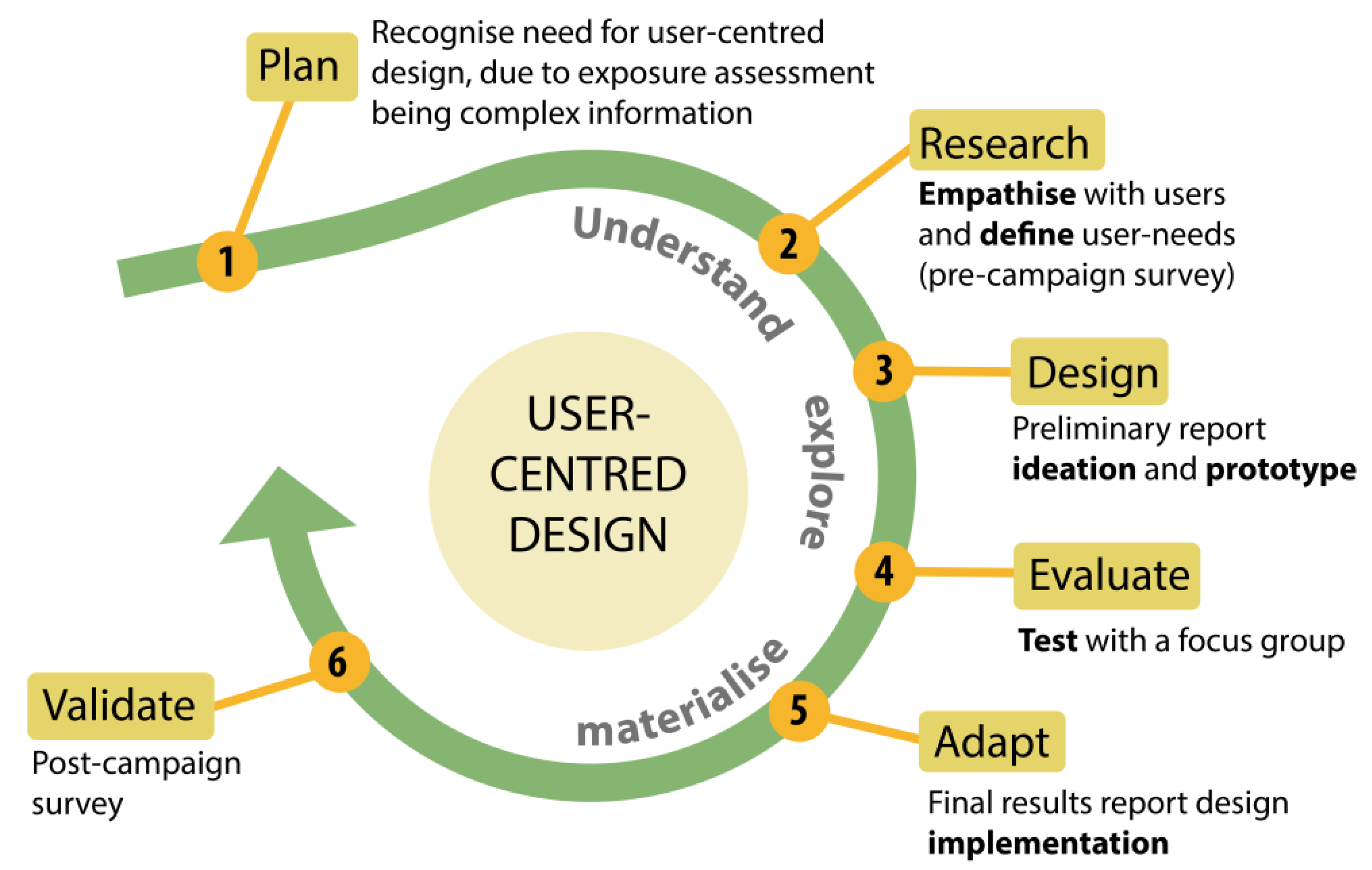
"Nothing About Us Without Us"
The most fundamental principle of accessible design is deceptively simple: people with disabilities must be co-creators, not just users.
This isn't consultation. It's not asking for feedback on nearly finished products. It's embedding lived experience expertise throughout the entire development process—from research questions to product launch to post-deployment monitoring.
Core Principles
Lived Experience as Expertise Recognize that experiential knowledge equals technical knowledge. Compensate disability consultants appropriately. Create accessible participation pathways that don't inadvertently exclude the people you're trying to include.
Continuous Engagement Not one-time consultation but ongoing partnership. Iterative feedback loops throughout the product lifecycle. Post-launch monitoring with user communities, not just analytics dashboards.
Intersectional Design Consider how disability intersects with race, gender, age, and culture. Design multilingual and culturally responsive solutions. Address compounding barriers, not just single-axis disability needs.
Success Examples That Prove It Works
Stanford Neurodiversity Summit: Involves researchers, scholars, activists, and individuals with lived experience as equal partners. The 2024 Summit received 80+ proposals from the worldwide neurodiverse community, ensuring programming reflects actual needs rather than assumptions.
Microsoft-Rijksmuseum Partnership: Worked directly with the blind and low-vision community throughout development. Tested AI-generated art descriptions with actual museum visitors with disabilities. Iterated based on user feedback, not designer preferences.
Be My Eyes: Founded by Hans Jørgen Wiberg, a person with visual impairment. Continuous beta testing with blind and low-vision users. Feature development driven by user requests, creating the 43 million requests in 2024 we explored in Part 2.
The Essential Checklist
Must-Haves:
- Include people with disabilities on core design teams (as employees, not just consultants)
- Compensate disability expertise appropriately
- Beta test with diverse disability populations
- Ensure research and testing processes themselves are accessible
Recommended:
- Establish iterative feedback loops for continuous improvement
- Include multiple disability types and intersectional identities
- Build long-term partnerships beyond single projects
Advanced:
- Share accessibility learnings openly to accelerate field progress
- Validate across different cultural contexts
- Give users actual decision-making power, not just advisory roles
Pillar 2: Comprehensive Support Systems (WHO-GATE 5P Framework)

The World Health Organization's 5P Framework provides a comprehensive, evidence-based approach to assistive technology access. It recognizes that technology alone isn't enough, you need aligned systems.
The Five Ps
1. PEOPLE (at the center) User needs, preferences, and contexts. Whole-person approach, not just disability in isolation.
2. POLICY Legislative frameworks, national AT strategies, funding mechanisms, quality standards.
3. PRODUCTS Available, affordable, appropriate assistive products. Quality-assured and safe. Range meeting diverse needs. R&D support for innovation.
4. PROVISION Service delivery systems—assessment, fitting, training, maintenance. Both community-based and institution-based services. Urban and rural access.
5. PERSONNEL Trained workforce across disciplines. Professional development. User training and peer support. Family and caregiver education.
The Integration Principle
Most people use more than one assistive product, making integrated services essential. The 5Ps must be aligned and mutually reinforcing.
A hearing aid without trained audiologists to fit it (Personnel) is useless. Policy mandating access without funding mechanisms (Policy) is empty. Quality products (Products) that cost more than annual income (Policy, Provision) remain inaccessible.
Systems thinking beats siloed interventions every time.
Pillar 3: Workplace Neuroinclusion Strategies
We know from Part 4 that neurodivergent employees demonstrate 90-140% higher productivity and 90%+ retention rates when properly supported. Yet from Part 6, we learned that 52% don't feel comfortable disclosing and 70% perceive stigma.
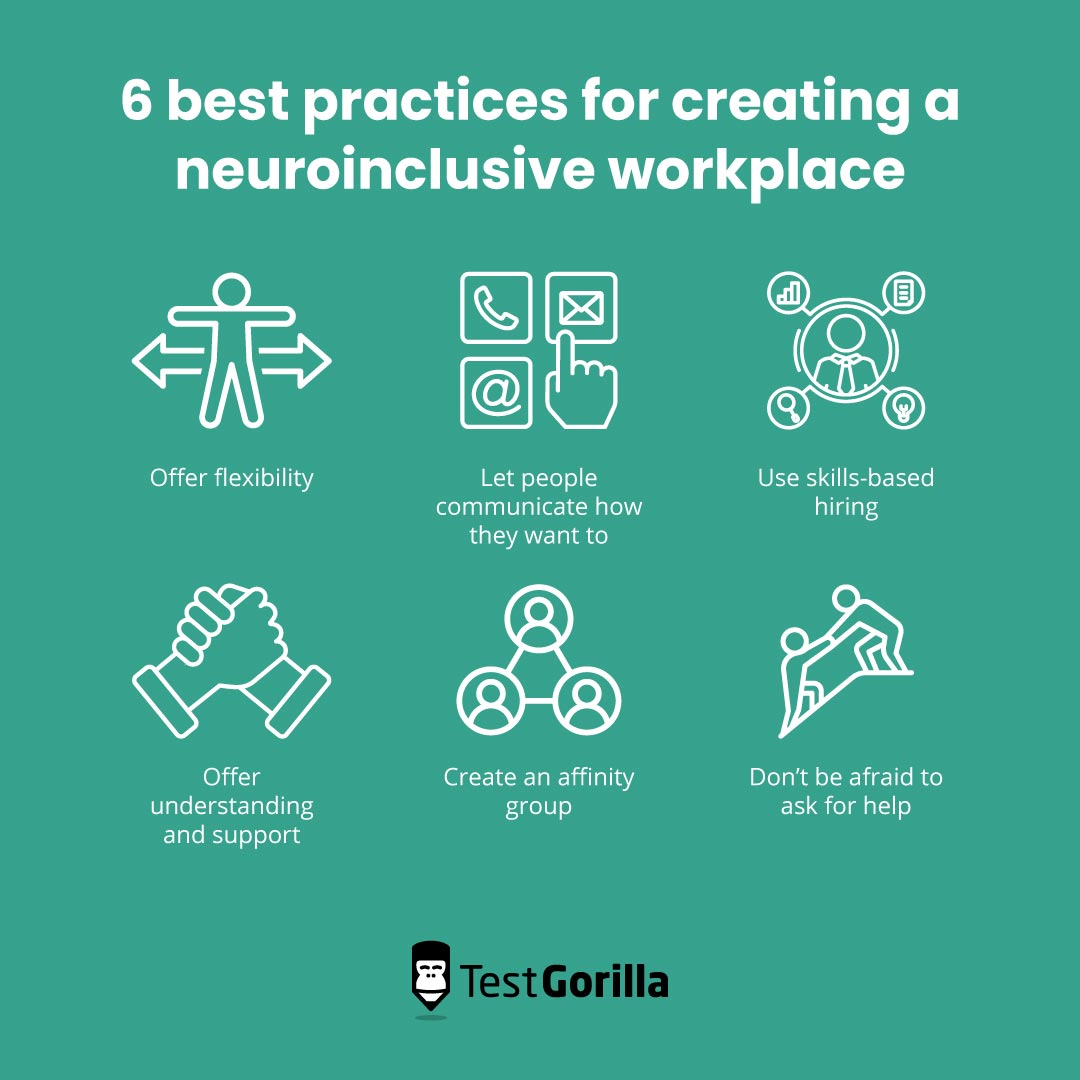
Here's how to close that gap with a seven-point implementation strategy:
1. Education and Awareness

Mandatory neurodiversity training for all employees—not optional diversity modules people skip. Specialized training for managers and HR. Ongoing education, not one-time sessions. Include lived experience speakers.
2. Clear Accommodation Processes

Designate accommodation coordinators who understand the process and can guide requests. Create simple, accessible request procedures. Set transparent timelines. Proactively offer common accommodations rather than waiting for requests.
3. Employee Resource Groups (ERGs)
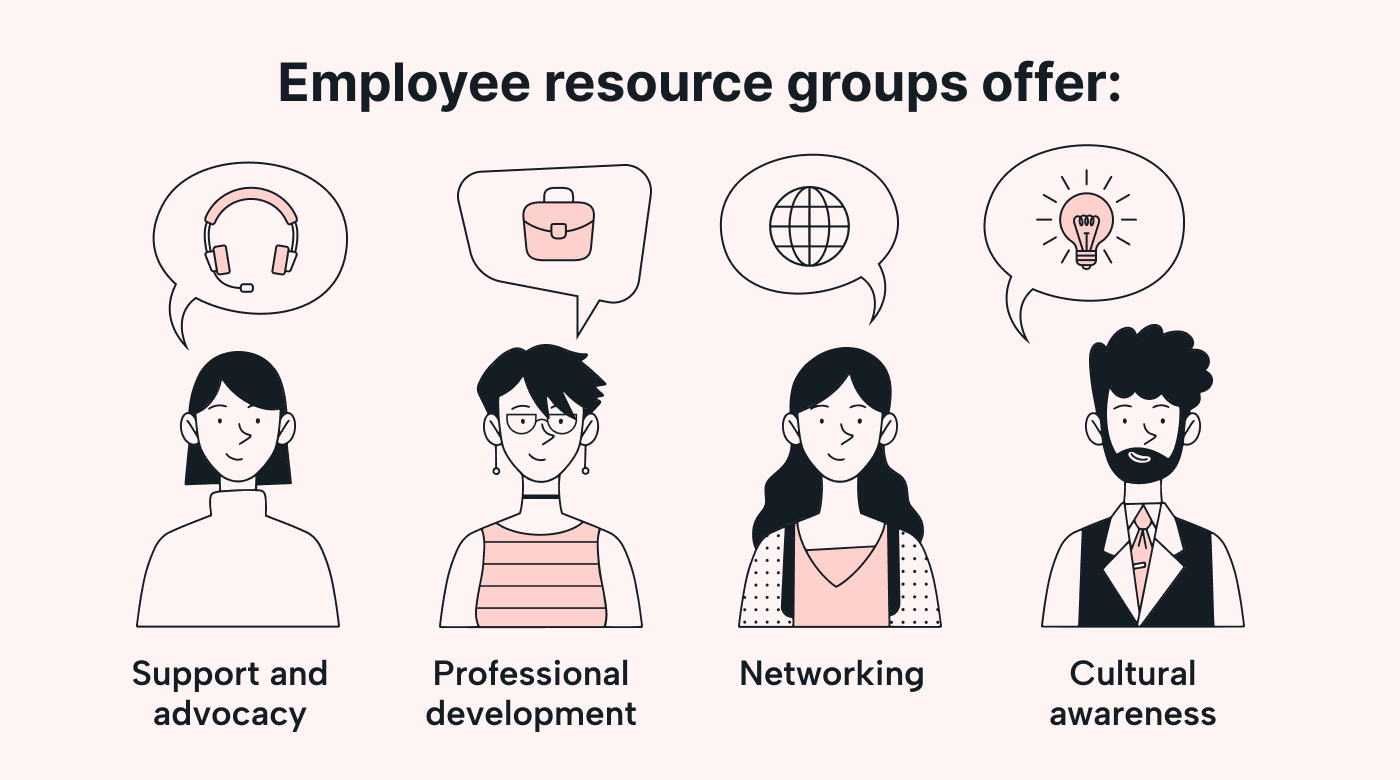
Support neurodiversity ERGs with leadership backing and resources. Create safe spaces for community and advocacy. Give ERGs genuine input into policies, not token representation.
4. AI-Powered Support Tools
Deploy tools like Microsoft Copilot (which we know from Part 2 delivers 76% performance improvement for neurodiverse employees). Provide assistive reading and writing technologies, calendar aids, environmental controls.
5. Inclusive Recruitment
Replace traditional timed assessments and panel interviews with skills-based assessments. Use work samples and portfolio reviews. Offer flexible interview formats. Write clear job descriptions with explicit expectations.
6. Mentorship and Support
Pair neurodivergent employees with trained mentors (not just any willing volunteer). Regular check-ins. Clear career development pathways. Celebrate neurodivergent achievements visibly.
7. Measurement and Accountability
Track neurodiversity hiring, retention, and advancement metrics. Survey employee satisfaction regularly. Publicly report diversity metrics. Use data for continuous improvement, not performative displays.
The ROI Timeline
6 months: Improved application quality and candidate pipeline 12 months: Measurable retention improvements 18 months: Productivity gains become evident in team metrics 24 months: Cultural transformation, employer brand enhancement, industry recognition
This isn't theoretical, it's the documented timeline from companies like JPMorgan Chase, SAP, Microsoft, and EY that we examined in Part 4.
Pillar 4: Ethical AI Development
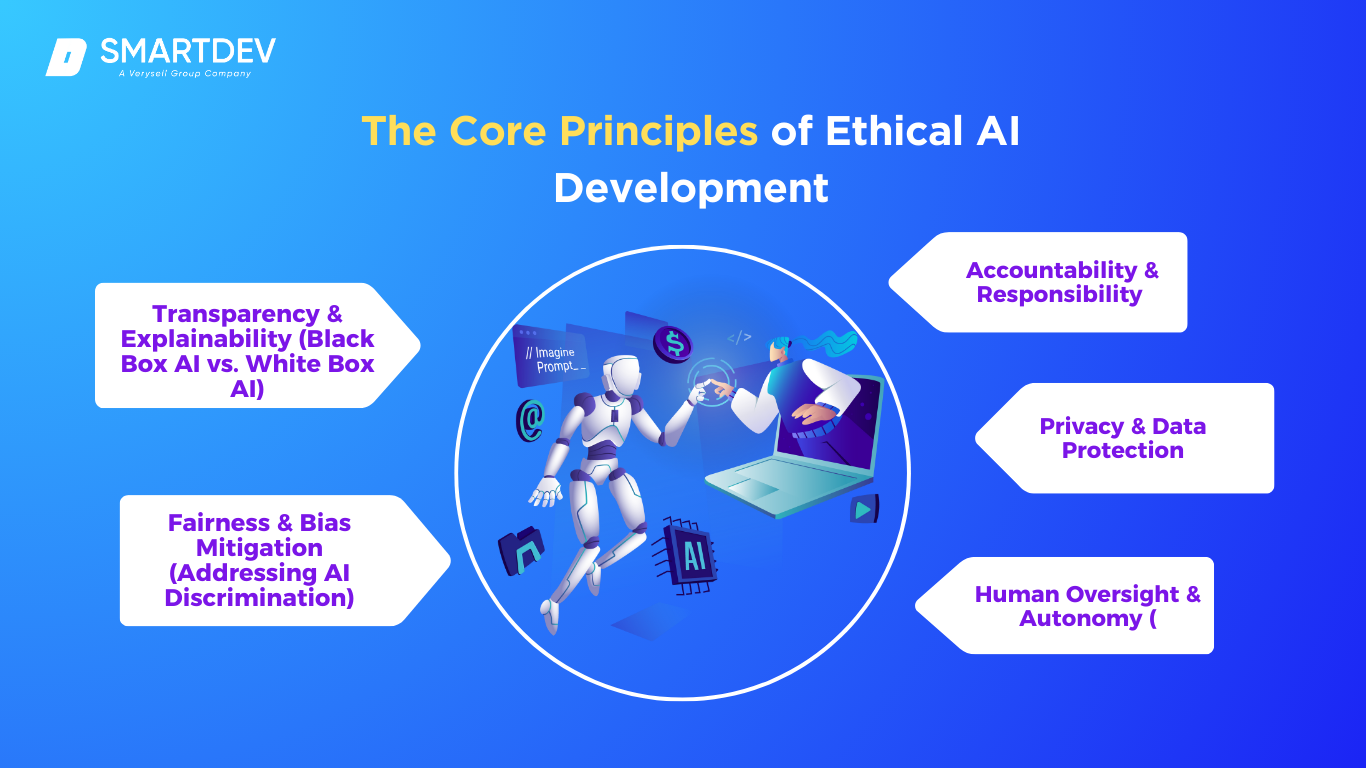
To prevent the algorithmic bias we confronted in Part 6, where AI models rated disability worse than “bank robber”, we need systematic approaches to ethical development.
Six Core Principles
1. Bias Auditing
- Pre-deployment testing specifically for disability bias
- Regular audits of live systems, not just initial testing
- Third-party evaluation to catch what internal teams miss
- Testing with diverse disability populations, not "average" users
2. Transparent Algorithms
- Explainable AI (XAI) techniques that show how decisions are made
- Clear documentation accessible to non-technical stakeholders
- User understanding of AI's role in decisions affecting them
- Appeal mechanisms for automated decisions
3. Human Oversight
- AI augments human judgment; it doesn't replace it
- Override capabilities for questionable automated decisions
- Regular human review of AI outputs and patterns
- Clear escalation pathways when AI gets it wrong
4. Diverse Development Teams
- Hire people with disabilities as engineers, designers, and product managers—not just accessibility consultants
- Build intersectional diversity across teams
- Make disability inclusion a core value, not a checkbox
5. Continuous Monitoring
- Ongoing performance metrics disaggregated by user groups
- Disparate impact analysis to catch bias in deployment
- User feedback mechanisms that actually influence development
- Rapid response processes when issues are identified
6. Privacy and Consent
- Transparent data collection practices
- User control over personal information, especially sensitive disability data
- Secure data handling with encryption and access controls
- Rights to deletion and data portability
Regulatory Alignment
These principles align with emerging regulations we explored in Part 5:
- EU AI Act's requirements for high-risk systems
- U.S. EEOC guidance on AI in employment
- China's provisions on non-discriminatory AI
- Hong Kong's data protection framework
Building ethical AI now means regulatory compliance later.
The Implementation Roadmap: From Commitment to Transformation
Organisations often struggle with where to start. Here's a phased approach proven to work:
Phase 1: Foundation (Months 1-3)
Secure leadership commitment and executive sponsorship. Form a cross-functional task force. Conduct baseline assessment of current state.
Phase 2: Education (Months 2-4)
Roll out neurodiversity training. Train all managers and build HR capability. Start shifting culture through knowledge.
Phase 3: Infrastructure (Months 3-6)
Establish clear accommodation processes. Deploy AI support tools. Launch ERGs with proper support.
Phase 4: Recruitment (Months 4-8)
Update job descriptions and remove unnecessary requirements. Design skills-based assessments. Train recruiters on inclusive practices.
Phase 5: Support Systems (Months 6-12)
Launch mentorship programs with trained mentors. Specialize onboarding for neurodivergent employees. Create career development pathways.
Phase 6: Culture and Continuous Improvement (Ongoing)
Regular employee surveys. Policy refinement based on feedback. Public reporting on metrics. Continuous improvement driven by data.
The timeline is ambitious but achievable. Companies following this roadmap consistently report measurable improvements within the first year and cultural transformation within two years.
What Success Actually Looks Like
Let's be concrete about outcomes:
Retention: 90%+ for neurodivergent employees (vs. 60-70% industry average)
Productivity: 90-140% higher in roles aligned with neurodivergent strengths
Application Quality: Significant improvement in candidate pipeline within 6 months
Employee Satisfaction: Measurable increases in engagement and wellbeing scores
Business Performance: 16% profitability increase, 18% productivity boost, 12% customer loyalty gain (from Part 4's research)
Cultural Indicators: 63% improved employee wellbeing, 55% stronger culture, 89% better morale
These aren't aspirational targets. They're documented outcomes from companies that implemented these best practices systematically.
The Gaps We Must Close
Even with best practices, challenges remain:
Awareness Gap: Most organizations don't know these approaches exist or have proven ROI
Expertise Gap: HR departments lack training in neurodiversity accommodation design
Resource Gap: Small and medium enterprises struggle to implement comprehensive programs
Cultural Gap: Middle management resistance undermines top-down initiatives
Measurement Gap: Difficulty quantifying some accessibility benefits creates budget challenges
Addressing these gaps requires industry-wide knowledge sharing, professional development programs, government support for SMEs, and better metrics frameworks.
From Practices to Principles: The Unifying Thread
Four distinct pillars, dozens of specific recommendations, what ties it all together?
Human dignity and agency. Every best practice rests on the principle that people with disabilities and neurodivergent individuals are experts in their own lives, capable of contributing meaningfully when barriers are removed.
Systems thinking. Accessibility isn't one intervention but comprehensive, aligned approaches across technology, policy, culture, and support.
Evidence-based action. These recommendations emerge from rigorous research, documented outcomes, and continuous improvement, not ideology or aspiration.
Mutual benefit. Inclusive practices strengthen organizations and communities while empowering individuals, it's not zero-sum.
The Choice Before Us
The technology exists. The research validates it. The business case is proven. The policies are emerging. The best practices are documented.
What remains is simply choice.
Will we implement user-centered design with "nothing about us without us" as genuine principle, or continue building for people rather than with them?
Will we adopt comprehensive support systems like the WHO-GATE 5P framework, or settle for fragmented interventions?
Will we systematically address workplace neuroinclusion with the seven-point strategy, or continue leaving 75% of companies without neurodivergent-specific onboarding?
Will we build ethical AI with bias auditing, transparency, and diverse teams, or allow algorithmic discrimination to scale unchecked?
The barriers we explored in Part 6 aren't inevitable features of reality, they're failures of imagination, will, and action. Each has identified solutions. Each is addressable.
The question isn't whether we can create a world where AI serves all of humanity's full diversity. The question is whether we will.
The blueprint exists. The evidence is clear. The choice is ours.
Next in this series: Part 8 examines specific, actionable recommendations for four key stakeholder groups, policymakers, technology developers, employers, and researchers. Each has unique leverage points and responsibilities in building the inclusive future these best practices make possible.
Based on research from "AI Inclusivity, Neurodiversity and Disabilities: A Comprehensive White Paper on Artificial Intelligence as a Transformative Force" by Dinis Guarda
The Four Pillars of Best Practice:
- User-Centered Design ("Nothing About Us Without Us")
- WHO-GATE 5P Framework (People, Policy, Products, Provision, Personnel)
- Workplace Neuroinclusion (7-point strategy with 24-month ROI)
- Ethical AI Development (6 core principles)
Proven Outcomes:
- 90%+ retention rates for neurodivergent employees
- 90-140% productivity gains in aligned roles
- 16% profitability increase with comprehensive inclusion
- 76% performance improvement with AI support tools
- Cultural transformation achievable within 24 months
Share

Dinis Guarda
Dinis Guarda is an author, entrepreneur, founder CEO of ztudium, Businessabc, citiesabc.com and Wisdomia.ai. Dinis is an AI leader, researcher and creator who has been building proprietary solutions based on technologies like digital twins, 3D, spatial computing, AR/VR/MR. Dinis is also an author of multiple books, including "4IR AI Blockchain Fintech IoT Reinventing a Nation" and others. Dinis has been collaborating with the likes of UN / UNITAR, UNESCO, European Space Agency, IBM, Siemens, Mastercard, and governments like USAID, and Malaysia Government to mention a few. He has been a guest lecturer at business schools such as Copenhagen Business School. Dinis is ranked as one of the most influential people and thought leaders in Thinkers360 / Rise Global’s The Artificial Intelligence Power 100, Top 10 Thought leaders in AI, smart cities, metaverse, blockchain, fintech.