Wellbeing
The Science and Soul of Smiling: Why Your Face Holds the Power to Transform Your Life
05 Jan 2026

The Universal Language We All Speak

Before humanity invented language, before we carved symbols into stone or painted stories on cave walls, we had something more powerful: the smile. This simple facial expression, using just seventeen muscles, has connected humans across cultures, continents, and millennia. Yet in our modern world, adults smile only about twenty times per day compared to children who smile approximately 400 times daily. What wisdom have we forgotten?
The Ancient Wisdom of Smiling
Indigenous Understanding
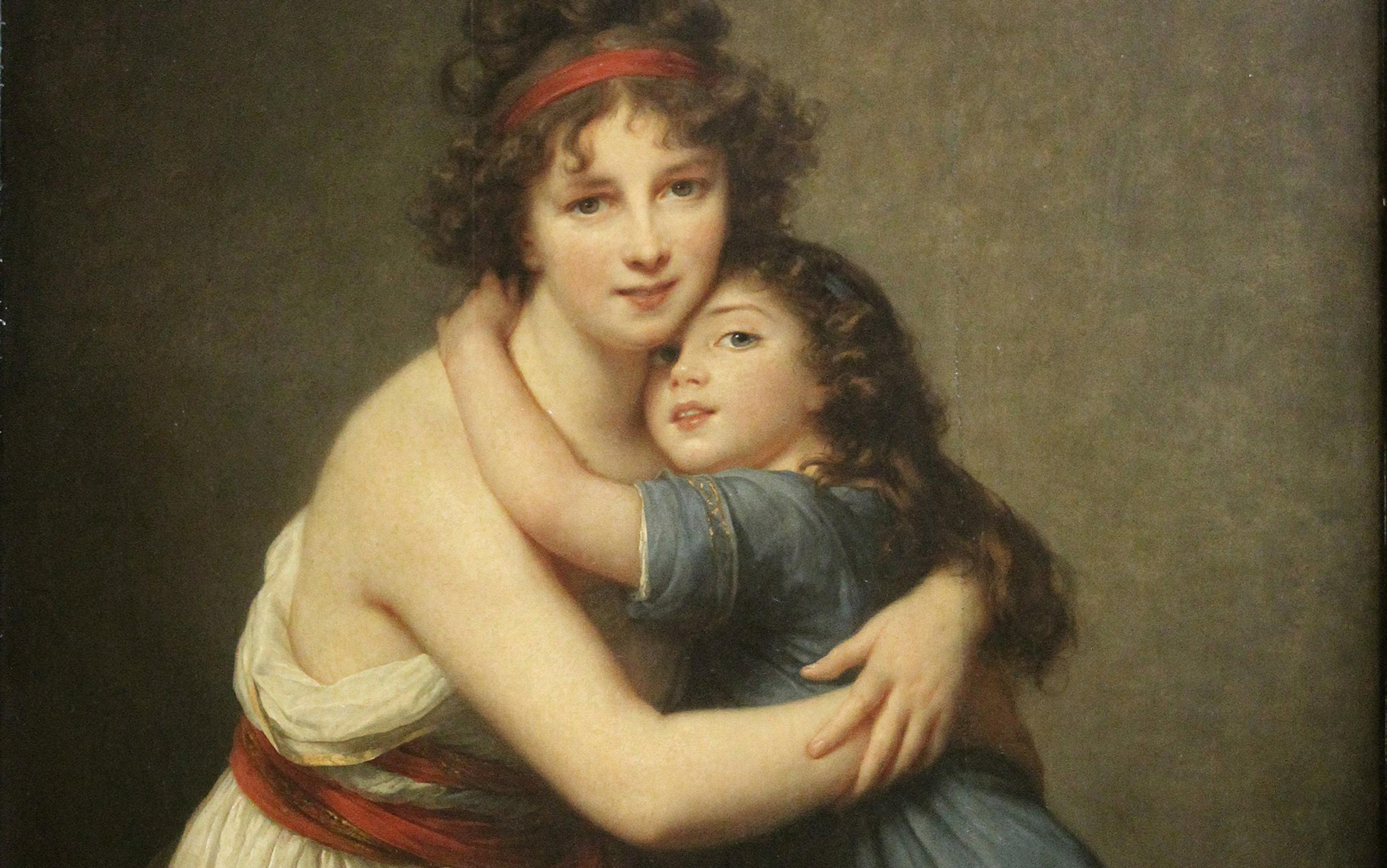
Aboriginal Australians, whose cultural traditions span over 70,000 years, recognized smiling as a “songline of the face”, a pathway connecting every person who has ever lived. This profound understanding predates modern neuroscience but aligns perfectly with what researchers now call "emotional contagion."
Eastern Philosophy
A famous Zen teaching illustrates the transmission of wisdom through a smile. When Buddha held up a lotus flower and smiled silently, only one disciple, Mahākāśyapa, smiled back. In that moment, an entire teaching passed between them without words, a demonstration of how deeply smiling connects human consciousness.
Cross-cultural proverbs reinforce this universal truth. The Chinese say,
"A man without a smiling face must not open a shop."
The Yoruba people observe,
"A face that does not smile is like a knot that cannot be loosened."
Every culture that has thrived discovered independently that smiling serves as humanity's most essential social technology.
The Neuroscience of Joy: Your Face as a Pharmaceutical Factory
The Chemistry of Happiness
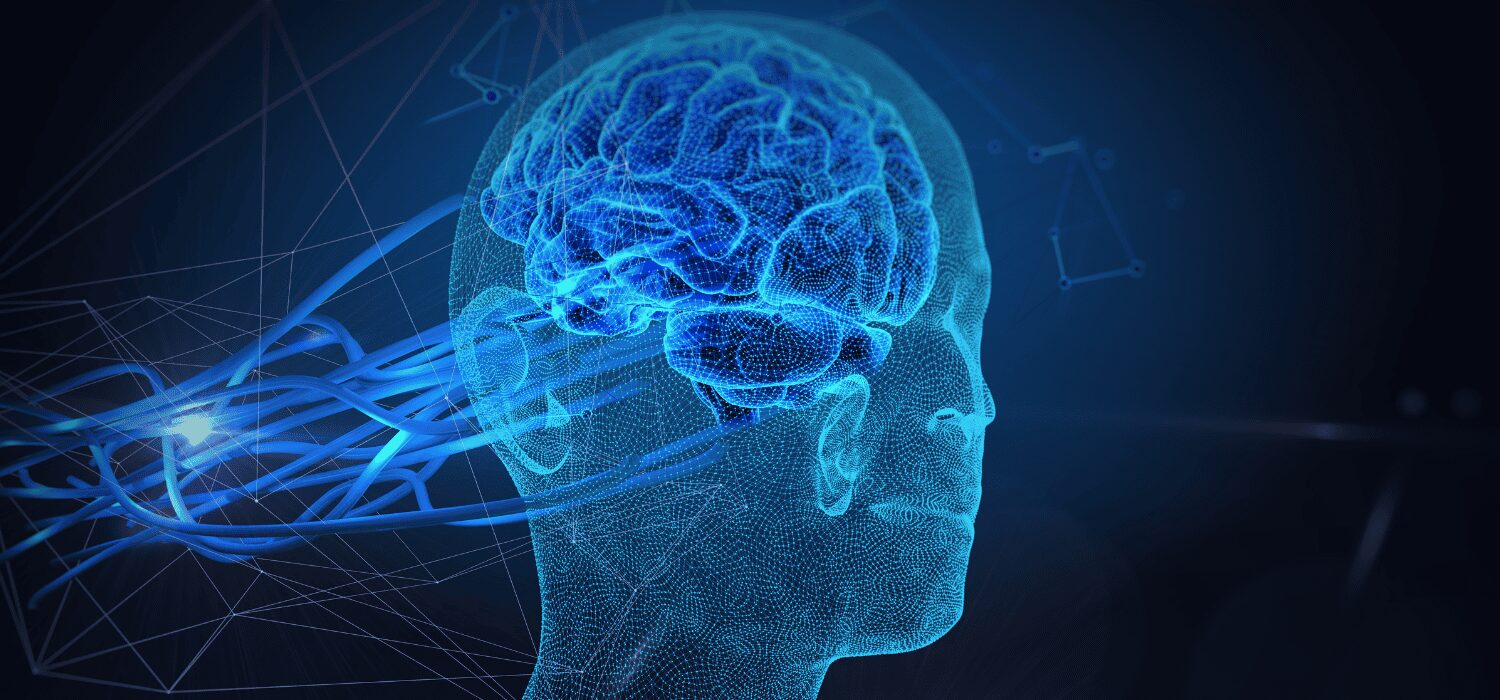
When you smile genuinely, your brain releases a powerful cocktail of beneficial chemicals:
- Endorphins: Natural pain relievers that your body produces without side effects or prescription costs.
- Dopamine: The neurotransmitter responsible for pleasure, motivation, and that feeling that life is worth living.
- Serotonin: A natural mood stabilizer that functions as your built-in antidepressant.
Dr. Isha Gupta, a neurologist at IGEA Brain & Spine, discovered that smiling activates neural pathways similar to physical exercise. Essentially, you can "jog your brain" simply by smiling.
The Feedback Loop
Research published in Psychological Science by Kraft and Pressman (2012) revealed something remarkable: smiling during stressful situations reduces heart rate and stress levels, even when the smile starts out forced. Your facial muscles send signals to your brain indicating happiness, and your brain responds by producing the corresponding chemistry. This creates what Japanese culture calls warai, the medicinal power of laughter and smiling.
Physical Health Benefits
The physiological advantages of smiling extend far beyond mood:
- Strengthened immune system with increased T-cell production
- Reduced blood pressure
- Decreased stress hormone levels (cortisol reduction up to 23%)
- Potential longevity benefits
A famous longitudinal study by Abel and Kruger (2010) analyzed photographs of baseball players and found that those with genuine smiles lived an average of seven years longer than teammates with neutral expressions. While this study has methodological limitations, it points toward a compelling connection between positive emotion and lifespan.
The Gold Standard: The Nun Study
One of the most scientifically rigorous investigations into happiness and longevity examined 180 Catholic nuns whose handwritten autobiographies from the 1930s were analyzed decades later. Researchers found that nuns who expressed more positive emotions in their early twenties lived approximately ten years longer than their less positive counterparts. This study's strength lies in its controlled variables—the nuns shared similar diets, environments, and lifestyles, eliminating many confounding factors that plague happiness research.
The Social Power of Smiling

Building Trust and Connection
Research demonstrates that people who smile are perceived as more competent, attractive, and trustworthy. Your smile communicates safety and friendliness to strangers before you speak a single word. In evolutionary terms, the smile signals non-aggression and cooperative intent.
The Contagion Effect
Uppsala University research published in Trends in Cognitive Sciences (2017) confirmed that smiling is extraordinarily contagious. When you see someone smile, your mirror neurons activate, attempting to replicate that expression on your own face involuntarily. You literally infect others with joy. This neural mechanism explains why one person's happiness can ripple through entire social networks.
Studies by Niedenthal and colleagues (2010) on mirror neurons show that we don't just see smiles—we embody them, experiencing a fraction of the emotion they represent. This creates genuine connection across the human community.
The Economic Value
Hewlett Packard Research (2010) quantified the reward mechanism triggered by smiling as equivalent to receiving approximately £16,000 in cash or consuming 2,000 chocolate bars, except smiling produces no debt, calories, or regret. It's infinitely renewable currency.
Comedy and Laughter as Cultural Forces

Historical Power of Humor
Throughout history, comedy has served as more than entertainment. It has functioned as political resistance, social commentary, and survival strategy:
- Ancient Greece: Aristophanes' "Lysistrata" (411 BCE) used comedy to critique war, imagining women withholding intimacy until men ceased fighting.
- Shakespeare's Era: Works like "A Midsummer Night's Dream" demonstrated how laughter could examine serious themes, love, identity, power through fantastical situations.
- Political Satire: Molière's "Tartuffe" (1664) exposed religious hypocrisy so effectively it was banned twice. Charlie Chaplin's "The Great Dictator" (1940) mocked Hitler with such devastating accuracy that Nazi Germany prohibited the film.
- Modern Comedy: Films like "Dr. Strangelove" tackled nuclear annihilation through dark humor, while "Life of Brian" questioned religious orthodoxy so provocatively it was banned in multiple countries yet became a classic.
These works weren't merely funny, they were insurgencies of joy that challenged power structures and authoritarian thinking.
Humor in Warfare and Revolution
The Winter War (1939-1940): Finnish soldiers facing overwhelming Soviet forces coined the term "Molotov cocktail" as dark humor, naming their improvised weapons after the Soviet minister who claimed bombers were dropping food, not explosives. Finnish wit became a weapon of psychological resistance.
Churchill's Verbal Warfare: Winston Churchill wielded humor as strategic tool during World War II. His witty radio addresses maintained British morale during the Blitz, proving that laughter strengthens resolve.
Gandhi's Satyagraha: Mohandas Gandhi understood that making oppression appear ridiculous through non-violent resistance and sardonic observation weakened the British Empire more effectively than violence could. When authorities arrested or beat a smiling, spinning old man, they exposed their own brutality.
The Velvet Revolution: In 1989 Czechoslovakia, playwright Václav Havel and fellow dissidents used absurdist theatre and satirical protests, jangling keys like parents entertaining babies, to mock communist authorities. Totalitarian regimes cannot survive sustained mockery; they're too rigid, too humourless, too dependent on appearing invincible.
The Psychology of Courage and Resilience

The Grandmother's Secret
Consider the timeless wisdom passed from elder to child: when frightened, smile at your fear. This counterintuitive advice contains profound psychological truth. Fear demands to be taken seriously; denying it that validation diminishes its power over you.
The Sufi poet Rumi wrote about wearing gratitude like a protective cloak. Smiling functions similarly, it doesn't eliminate danger or difficulty, but it positions you as sovereign over your own emotional experience rather than victim to circumstance.
The Mathematics of Expression
Human facial anatomy reveals nature's design preference: frowning requires approximately 26 muscles while genuine smiling uses only 17. We are literally engineered for happiness and must work harder to maintain misery. This biological efficiency suggests that joy represents our default setting, with unhappiness requiring sustained effort to maintain.
Universal Human Values Across Cultures

Different traditions articulate similar truths about shared humanity:
- Greek Eudaimonia: The art of human flourishing, of becoming fully yourself through virtue and wisdom.
- Buddhist Mudita: Sympathetic joy,th e happiness felt when witnessing others' happiness, understanding that joy multiplies when shared.
- Ubuntu (Xhosa/Zulu): “I am because we are”, the recognition that individual identity exists only through community connection.
- Māori Kia Kaha: Often translated as "be strong," but strength isn't always stoic seriousness. Sometimes the strongest response is smiling through difficulty.
Each culture independently discovered that authentic smiling connects us to universal human experience, transcending language barriers and cultural differences.
Practical Applications: Smiling as Daily Practice

Why Adults Smile Less
The dramatic decrease from childhood's 400 daily smiles to adulthood's 20 represents not just lost innocence but forgotten wisdom. We learn to ration joy as if it's finite, to appear serious to seem competent, to suppress spontaneous delight in pursuit of productivity.
Reclaiming Your Natural State
Smiling is innate, not learned. Research by Paul Ekman (1973) demonstrated that babies born blind still smile, proving this expression is encoded in human DNA. We don't need to learn how to smile; we need to unlearn the barriers we've constructed against natural joy.
The Invitation
Every smile represents a small rebellion against isolation, suffering, and cynicism. Your face holds power to:
- Reduce your own stress and improve your health
- Create instant connection with strangers
- Shift the emotional atmosphere of any space you enter
- Model resilience and optimism for those watching
- Participate in humanity's oldest social ritual
Charlie Chaplin, who made millions smile through the Great Depression and weaponized comedy against fascism, observed: "A day without laughter is a day wasted."
The Revolution Hiding in Your Face
We live in an age of unprecedented connectivity yet profound isolation. We have more ways to communicate than ever before, yet struggle to truly connect. Perhaps the solution isn't more complex, it's simpler than we imagined.
What if the greatest revolution available to us requires no technology, costs nothing, and lives inside our own faces? What if the weapon against despair, division, and dehumanization is the same one our ancestors wielded 70,000 years ago?
Smiling doesn't deny suffering or pretend problems don't exist. It asserts that despite everything, despite mortality, uncertainty, loss, and fear, joy remains possible. It declares that you will not surrender your humanity to circumstance.
The Tibetan teacher Chögyam Trungpa offered this wisdom: "The bad news is you're falling through the air with nothing to hang on to. The good news is there's no ground." Since we're all falling through this brief, mysterious existence together, we might as well smile on the way down.
Every smile connects you to every human who has ever lived and every human yet to come. It's the language requiring no translation, the medicine with no side effects, the revolution that begins in seventeen muscles and ripples outward infinitely.
The question isn't whether smiling matters. The evidence, spanning evolutionary biology, neuroscience, psychology, history, and cross-cultural wisdom, overwhelmingly confirms it does.
The question is: What world could we create if we remembered this ancient truth and smiled first, questioned later? What barriers would dissolve if we treated joy as infinitely abundant rather than dangerously scarce?
Your face holds this answer. It always has.
Key Takeaways
- Smiling releases endorphins, dopamine, and serotonin, functioning as natural mood enhancement
- Research shows smiling reduces stress hormones by up to 23% and may contribute to longevity
- Smiling is evolutionarily universal and highly contagious through mirror neuron activation
- Historical evidence demonstrates humor and laughter as powerful tools of resistance and resilience
- Adults smile approximately 20 times daily compared to children's 400 times, suggesting we've unlearned natural joy
- Cross-cultural wisdom independently discovered smiling as essential human connection
- Even forced smiling can trigger genuine positive neurological responses
- The physical act of smiling requires fewer muscles than frowning, suggesting nature designed us for happiness
Share

Dinis Guarda
Dinis Guarda is an author, entrepreneur, founder CEO of ztudium, Businessabc, citiesabc.com and Wisdomia.ai. Dinis is an AI leader, researcher and creator who has been building proprietary solutions based on technologies like digital twins, 3D, spatial computing, AR/VR/MR. Dinis is also an author of multiple books, including "4IR AI Blockchain Fintech IoT Reinventing a Nation" and others. Dinis has been collaborating with the likes of UN / UNITAR, UNESCO, European Space Agency, IBM, Siemens, Mastercard, and governments like USAID, and Malaysia Government to mention a few. He has been a guest lecturer at business schools such as Copenhagen Business School. Dinis is ranked as one of the most influential people and thought leaders in Thinkers360 / Rise Global’s The Artificial Intelligence Power 100, Top 10 Thought leaders in AI, smart cities, metaverse, blockchain, fintech.