Wellbeing, Lifestyle
The Autistic Barbie: How One Doll is Reshaping Representation for Neurodivergent Children
16 Jan 2026

A Doll That Reflects Real Experiences
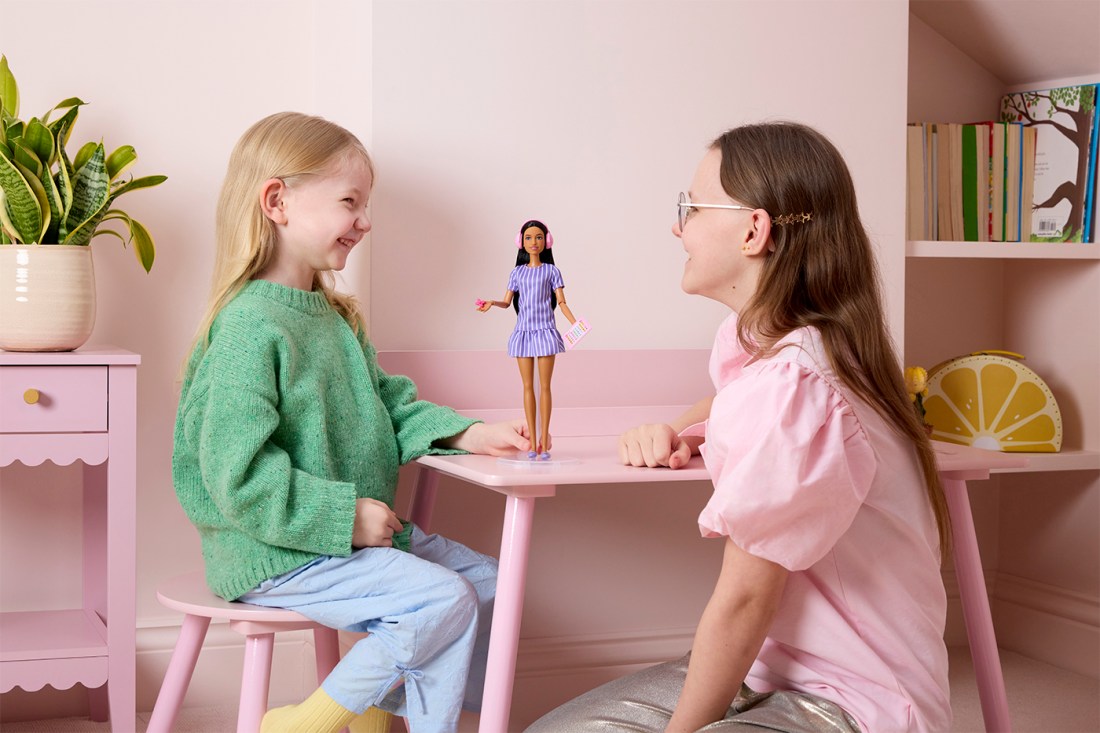
For five-year-old Penelope from Colchester, seeing a Barbie doll wearing pink ear defenders wasn't just exciting, it was deeply personal.
"She uses ear defenders, so to see that on a doll really made her feel special," explained her mother, Tonya.
Penelope's reaction was more than just childhood enthusiasm; it was part of the research process that helped shape Mattel's groundbreaking first autistic Barbie doll.
Launched just days ago, this new doll represents a significant step toward authentic representation for neurodivergent children. With more than one in 100 people being autistic, at least 700,000 autistic adults and children in the UK alone, the need for representation that resonates has never been more apparent. This isn't just another addition to a toy shelf; it's a symbol that tells autistic children they belong.
Designing with Purpose and Care
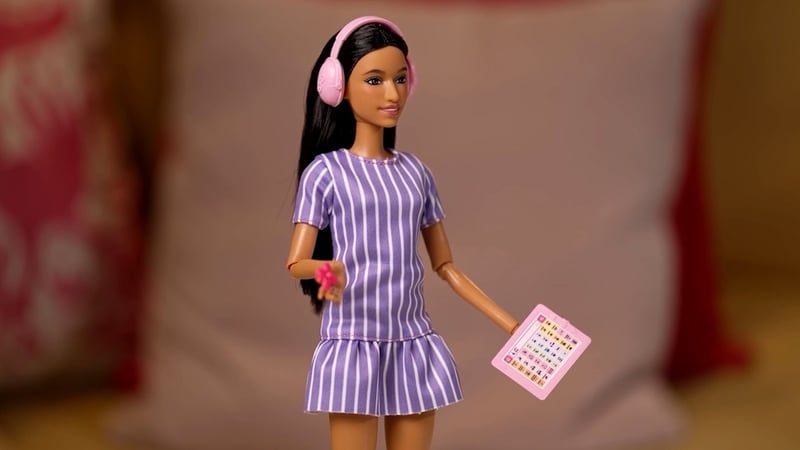
The autistic Barbie isn't a hastily conceived product with a few token features. Every design choice reflects genuine consultation with the autistic community and careful consideration of sensory experiences that many autistic people navigate daily.
The doll comes equipped with pink noise-cancelling headphones, designed to block out overwhelming background sounds and limit sensory overload. Many autistic individuals experience heightened sensitivity to noise, and what might seem like ordinary background chatter or ambient sound can feel intensely uncomfortable or even painful. The inclusion of these headphones acknowledges this reality with respect and understanding.
A pink fidget spinner accompanies the doll, serving as a tool to reduce stress and improve focus. Fidget tools aren't mere toys for many autistic people, they're functional aids that help with self-regulation and concentration. By including this accessory, Mattel validates the use of such tools rather than stigmatising them.
The doll's clothing is intentionally loose-fitting, ensuring less fabric-to-skin contact. This seemingly small detail matters enormously. Tactile sensitivities mean that certain textures, tight clothing, or even clothing tags can cause significant discomfort for many autistic individuals. This design choice shows an understanding that goes beyond surface-level representation.
Even the doll's gaze is thoughtful, her eyes look slightly to the side rather than straight ahead. For many autistic people, sustained direct eye contact can feel uncomfortable or overwhelming. This subtle feature acknowledges a common autistic experience without making it seem wrong or problematic.
Authentic Voices at the Table
What sets this doll apart from superficial attempts at inclusion is the depth of consultation behind it. Mattel partnered with the Autistic Self Advocacy Network throughout the development process, ensuring that autistic voices shaped the final product. This collaboration exemplifies a crucial principle:
"Nothing about us without us."
The network described the doll as a "milestone" in representation, stating:
"It is so important for young autistic people to see authentic, joyful representations of themselves, and that's exactly what this doll is."
The emphasis on "joyful" is significant, too often, autism is portrayed solely through the lens of struggle or deficit. This doll celebrates autistic identity rather than presenting it as something to overcome.
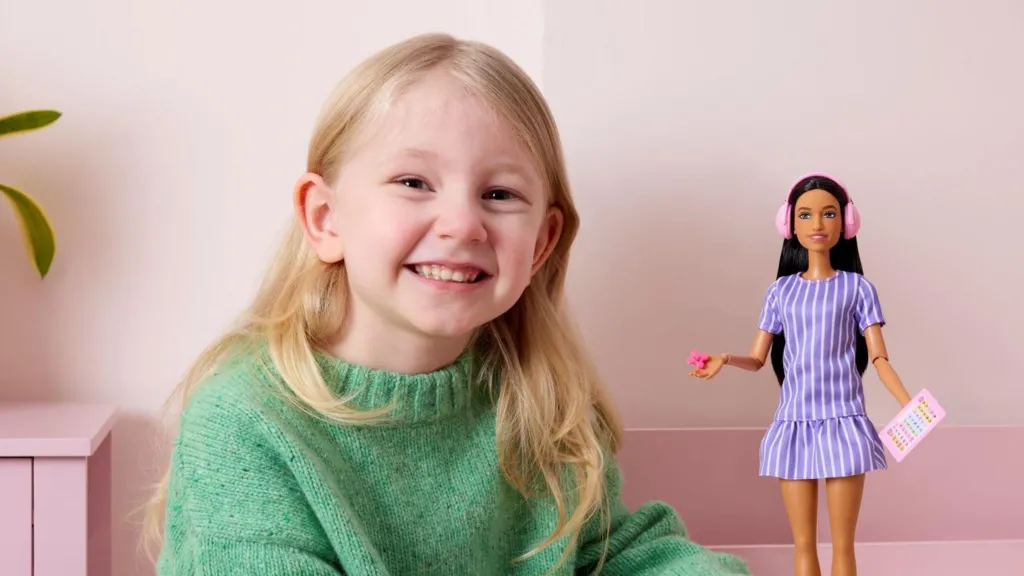
Young participants like Penelope were integral to the research. During the video reveal, Penelope had "a massive smile on her face," according to her mother. Tonya reflected on the broader impact:
"Until now there was just nothing out there to represent what autistic children experience. It's been an overwhelmingly positive experience for Penelope and she just loves looking at it."
Why Representation Transforms Lives
The significance of this doll extends far beyond the toy aisle. Representation in media, toys, and popular culture shapes how children understand themselves and their place in the world. For autistic children who have rarely seen themselves reflected in the dolls, action figures, and characters around them, this Barbie offers validation that they matter.
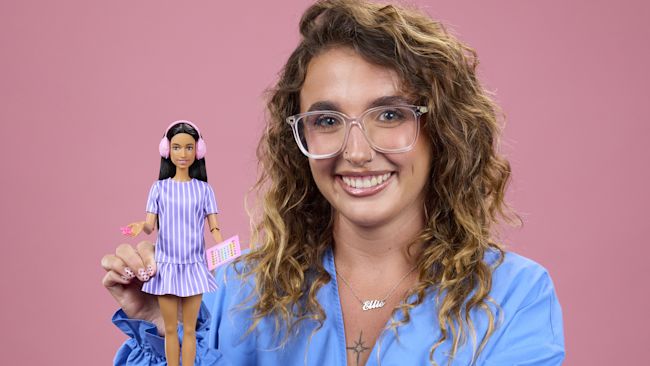
Autistic writer Ellie Middleton, who regularly shares her experiences online, described feeling emotional about the doll's release.
"To now have an autistic Barbie doll makes me so emotional," she said.
Middleton highlighted a particularly important aspect: the doll's potential impact on young girls.
Research shows that autistic girls are frequently undiagnosed or misdiagnosed, partly because autism presents differently in girls and partly because diagnostic criteria have historically been based on observations of autistic boys.
"Statistics show that young girls are often undiagnosed or misdiagnosed, so to have a powerful symbol like this autistic Barbie doll helps bring the conversation around neurodivergence in women to the forefront, so that autistic girls can feel accepted and seen," Middleton explained.
Peter Watt from the National Autistic Society emphasised that
"seeing more depictions of autism is key to understanding and autism acceptance."
He stressed the importance of authentic representation based on extensive consultation with autistic people, noting that Mattel's approach met this standard.
Watt added that better public understanding of autism across society
"could transform hundreds of thousands of autistic people's lives."
When representation is done thoughtfully, it doesn't just make individuals feel seen, it educates the broader public and challenges misconceptions.
Understanding Neurodivergence
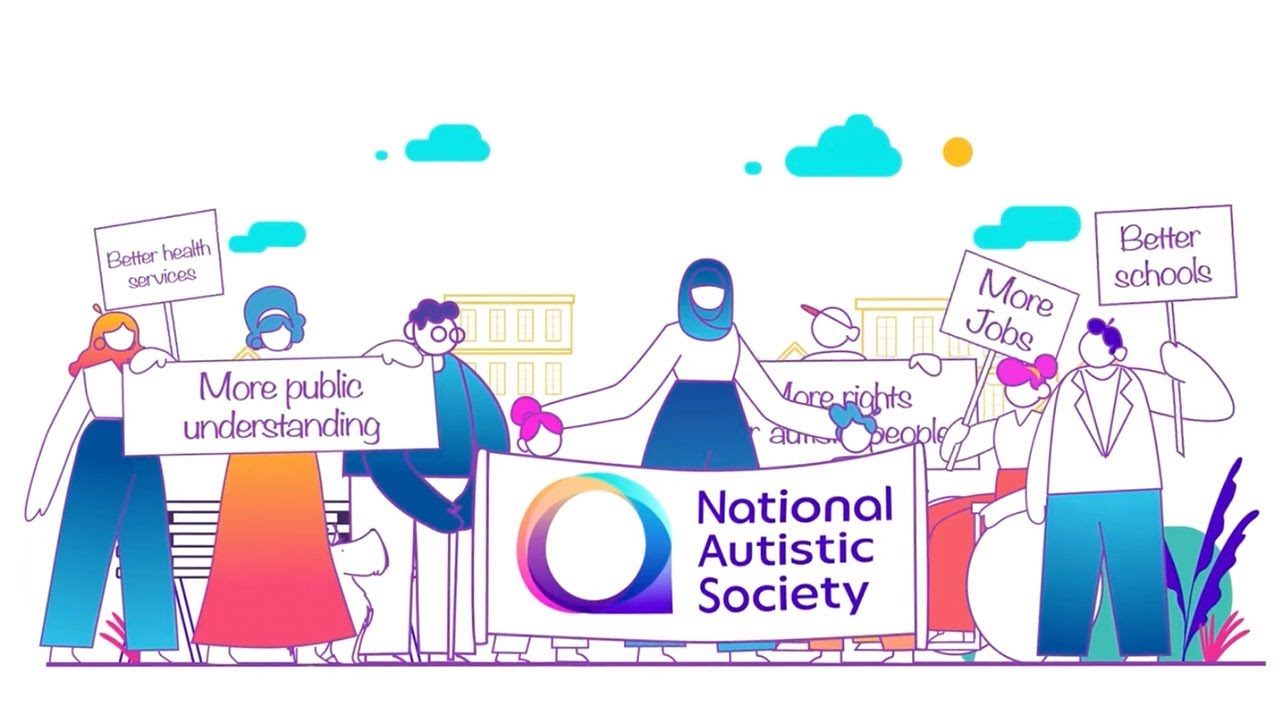
The National Autistic Society describes autism as a "lifelong neurodivergence and disability" that influences how people experience and interact with the world. However, the society cautions that "it's important to remember autistic people can be very different from each other."
This diversity within the autistic community is crucial to understand. There's a saying in the autism community:
"If you've met one autistic person, you've met one autistic person."
While some autistic individuals might relate to all the features of this Barbie, others might connect with only some and still others might have entirely different support needs and experiences.
The doll doesn't claim to represent all autistic experiences, an impossible task. Instead, it offers one authentic representation that will resonate with many, while opening broader conversations about neurodivergence, sensory needs, and the beautiful diversity of human neurological experiences.
Part of a Growing Movement
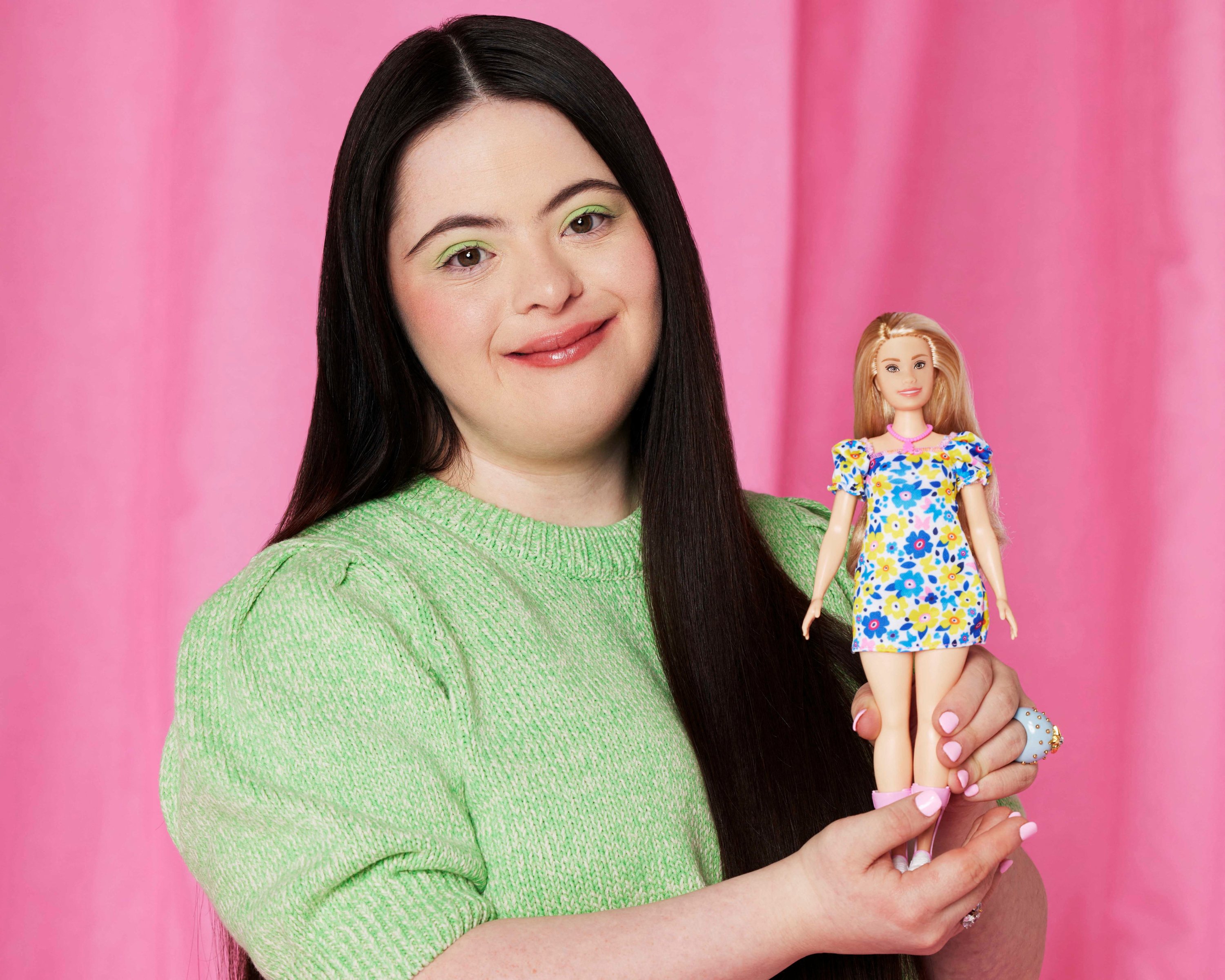
This autistic Barbie joins Mattel's expanding efforts to create more inclusive representation. The company released a Barbie with Down's Syndrome in 2023 and a Barbie with type 1 diabetes last year. Each addition reflects a growing recognition that children deserve to see the full spectrum of human diversity reflected in their toys.
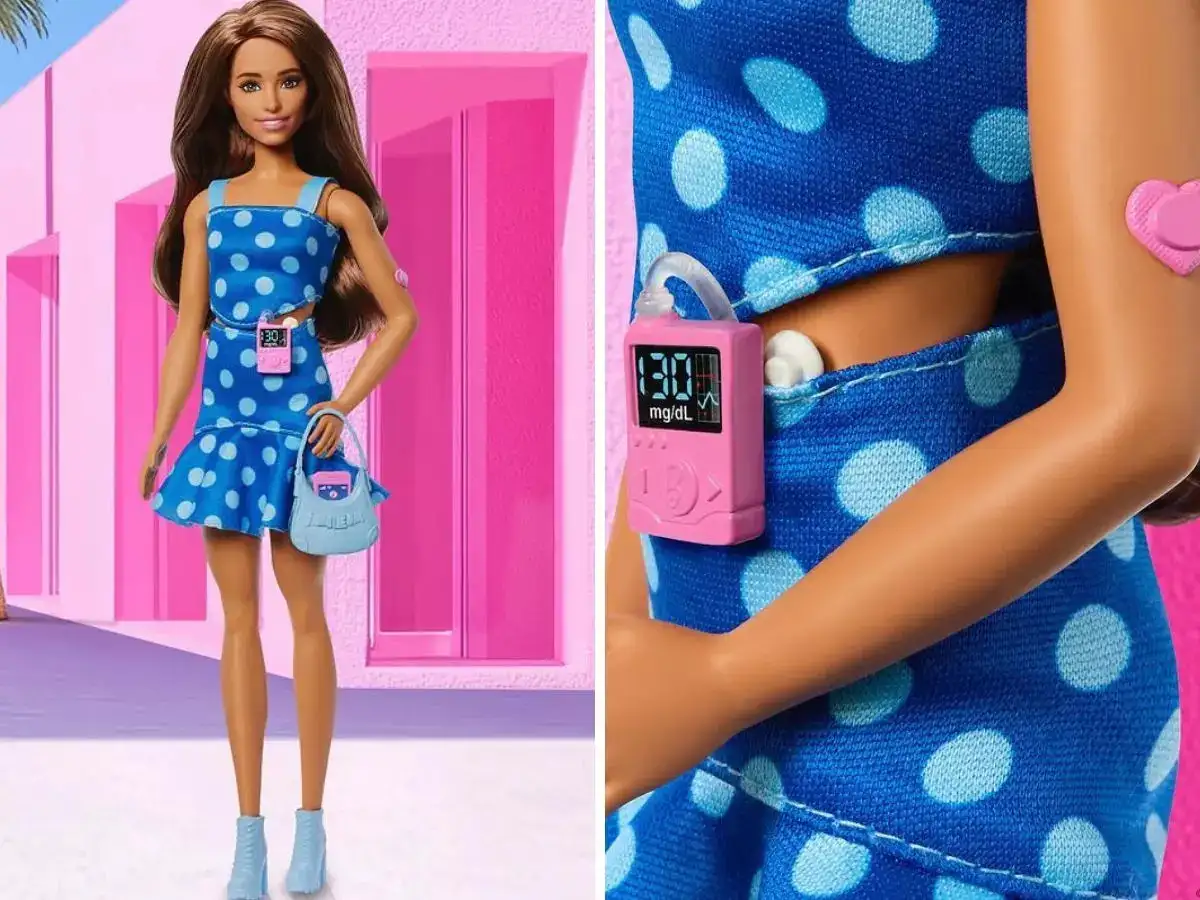
These aren't just marketing decisions, they're cultural shifts that acknowledge disability and difference as natural parts of human experience rather than things to be hidden or ignored. When a child with diabetes sees a Barbie with an insulin pump, or when an autistic child sees a Barbie with ear defenders, the message is clear: you belong exactly as you are.
Lessons Beyond the Toy Box
The creation of this autistic Barbie offers lessons that extend far beyond children's toys. It demonstrates the power of inclusive design, when products are created with diverse users in mind from the beginning, they become more functional and meaningful for everyone.
The doll also shows the importance of centering the voices of the communities being represented. Mattel could have designed this doll based on neurotypical assumptions about autism, but instead, they invested in genuine consultation with autistic people and organisations. This approach should serve as a model for representation across industries.
Furthermore, this Barbie challenges us to think about whose experiences we validate and celebrate. For too long, neurodivergent children have been told, implicitly or explicitly, that they should aspire to be more "normal." This doll sends a different message: neurodivergent experiences are valid, valuable and worthy of celebration.
Looking Forward with Hope
As Penelope plays with her Barbie, wearing ear defenders just like the doll, something profound is happening. A child is seeing herself reflected, feeling special rather than different in a negative sense, and experiencing the validation that comes from being represented.
This is what authentic inclusion looks like. It's thoughtful, collaborative, and grounded in the real experiences of the people being represented. It celebrates rather than merely tolerates difference. And it recognizes that representation isn't a favor granted to marginalized communities, it's a fundamental aspect of creating a world where everyone can see themselves and feel they belong.
The autistic Barbie won't solve all the challenges autistic people face, from diagnostic disparities to social stigma to inadequate support services. But it's a meaningful step forward. It's a signal to autistic children that they deserve to be seen, that their experiences matter, and that the world is slowly becoming a place that makes room for them, not despite their neurodivergence, but with full acknowledgment and celebration of it.
As more children encounter this doll, whether they're autistic themselves or learning about autism through play, conversations will happen. Understanding will grow. And perhaps, one small step at a time, society will move closer to the kind of acceptance and inclusion that transforms lives.
The journey continues, one thoughtful design choice, one authentic representation, one validated child at a time.
Share

Dinis Guarda
Dinis Guarda is an author, entrepreneur, founder CEO of ztudium, Businessabc, citiesabc.com and Wisdomia.ai. Dinis is an AI leader, researcher and creator who has been building proprietary solutions based on technologies like digital twins, 3D, spatial computing, AR/VR/MR. Dinis is also an author of multiple books, including "4IR AI Blockchain Fintech IoT Reinventing a Nation" and others. Dinis has been collaborating with the likes of UN / UNITAR, UNESCO, European Space Agency, IBM, Siemens, Mastercard, and governments like USAID, and Malaysia Government to mention a few. He has been a guest lecturer at business schools such as Copenhagen Business School. Dinis is ranked as one of the most influential people and thought leaders in Thinkers360 / Rise Global’s The Artificial Intelligence Power 100, Top 10 Thought leaders in AI, smart cities, metaverse, blockchain, fintech.