The Creative Contract Between Humans and Earth: Restoring Reciprocity with the Living World
26 Dec 2025

Rediscovering Our Role as Partners, Not Dominators, in Nature's Creative Process

At a time when humans have become the dominant force driving change in all ecosystems, when no ecosystem anywhere is sheltered from our influence, humanity faces a profound question: What is our proper relationship with the Earth? Are we separate from nature, masters over it, or participants within it? The answer determines not only our survival but the flourishing of all life on this planet.
What if our relationship with Earth was never meant to be transactional, but creative? What if, instead of extracting resources from a passive environment, we were meant to be co-creators in an ongoing, reciprocal exchange with the living world? This perspective, ancient in Indigenous wisdom, emergent in contemporary ecology, and revolutionary for modern society, suggests that humans and Earth are bound by what might be called a creative contract: a mutual agreement of giving and receiving, learning and teaching, shaping and being shaped.
Understanding and honoring this contract may be the most important shift humanity can make in the Anthropocene.
The Broken Contract: When Separation Replaced Reciprocity

For much of human history, our ancestors lived within this creative contract. For the vast majority of our species' evolutionary existence on this planet, our Indigenous ancestors lived in relative harmony and balance with nature. They understood themselves as part of an intricate web of relationships, each species playing a role in maintaining the health of the whole.
Then something changed. The invention and overrepresentation of Man as distinct from nature is the underpinning concept that enabled colonialism and racism. This philosophical separation, the idea that humans stand apart from and above nature—created a worldview that treats Earth as a collection of resources to be extracted rather than a living community to which we belong.
A dominant philosophical and lived notion of separation from the environment lies at the heart of the broken relationship with nature. This separation manifests in countless ways: cities designed without consideration for ecological systems, agricultural practices that deplete soil, economic models that externalize environmental costs, and a general cultural amnesia about our embeddedness in natural cycles.
The consequences are stark. Species extinction is occurring at 1,000 times the pre-human rate. Climate patterns are destabilizing. Biodiversity is collapsing. We have breached what some scientists now call planetary boundaries, the safe operating space for humanity.
Yet even as the evidence of our broken contract accumulates, something remarkable is happening: people across cultures and disciplines are rediscovering and articulating what it means to live in creative partnership with Earth.
Indigenous Wisdom: The Original Creative Contract
Indigenous cultures around the world have maintained their understanding of the creative contract even through centuries of colonization and cultural suppression. Their wisdom offers essential guidance for repairing our relationship with Earth.
Kincentricity: Recognising Our Family

At the heart of Indigenous philosophy lies a concept that challenges Western individualism: kincentricity. The Indigenous notion of kincentricity is a necessary prerequisite for living in a reciprocal and harmonious relationship with Nature.
Kincentricity means recognising that a human being is related to a deer drinking at a stream, a water strider balancing on the surface tension of the stream, the still and moving water, the stones that cradle the water in the stream bed, and the algae that grow upon the stones to equal degrees. We are not separate from nature, we are nature recognizing itself.
In Quechua and Aymara, there is no word for nature, since they do not separate themselves from it. Rather, they see themselves as nature. This linguistic reality reflects a profound ontological truth: the boundaries we draw between "human" and "nature" are cultural constructions, not natural facts.
When we understand all beings as kin, our relationship with Earth transforms fundamentally. You don't extract from family, you exchange with them. You don't dominate relatives, you collaborate with them.
Reciprocity: The Currency of Relationship

Relationship is quite literally the fabric of reality in Indigenous worldviews, and reciprocity is the principle that maintains the health of these relationships.
Reciprocity, in its broadest sense, refers to the practice of mutual exchange, cooperation, and a balanced relationship between two parties. But Indigenous reciprocity extends far beyond human-to-human interactions. It encompasses our exchanges with plants, animals, water, soil, and even the spirit world.
Consider the Haudenosaunee tradition of the Three Sisters garden. This agricultural practice involves planting corn, beans, and squash together, where each plant supports the others' growth. The corn provides structure for beans to climb, beans fix nitrogen to nourish all three plants, and squash leaves shade the soil and retain moisture. This interdependent system reflects a deep understanding of reciprocity with the natural world, demonstrating that care for the environment directly supports human well-being.
This is creativity in its most ecological sense: working with natural patterns to generate abundance for all participants. It's not domination or extraction, it's collaboration and co-creation.
The Honorable Harvest: Practical Reverence
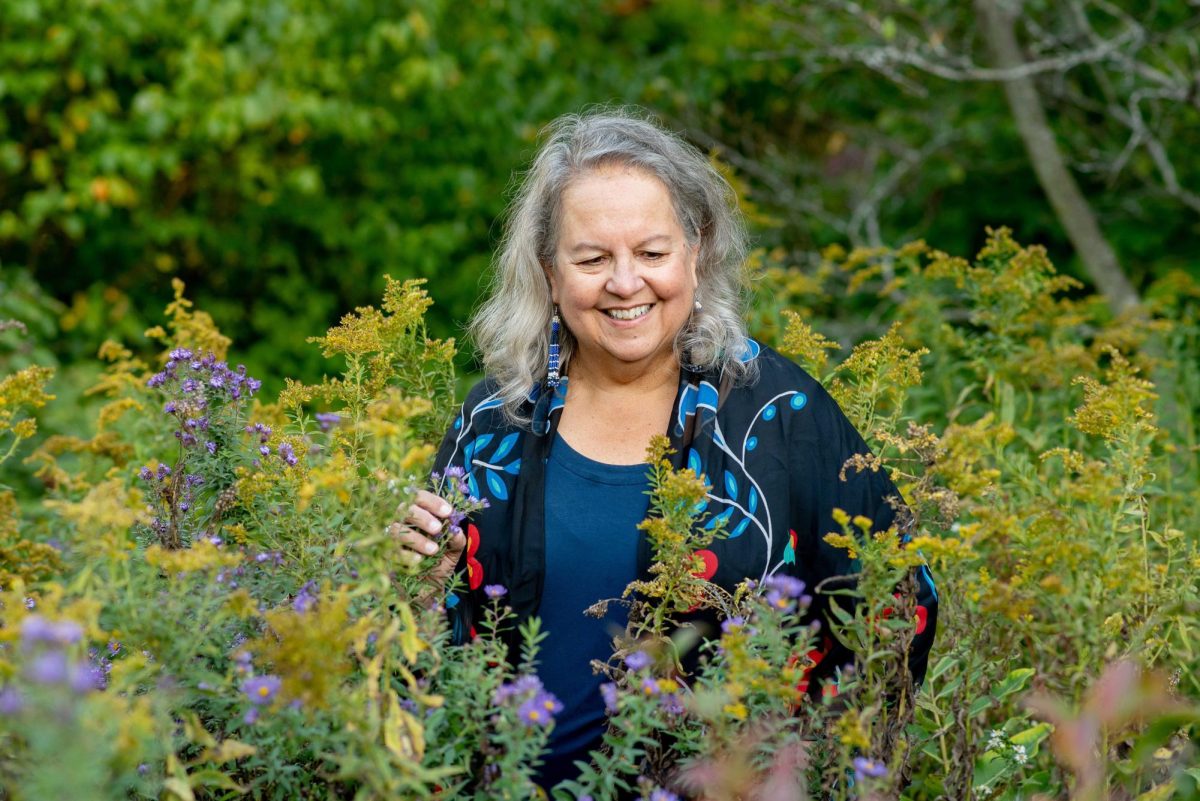
Robin Wall Kimmerer, botanist and member of the Potawatomi nation, articulates what she calls the Honorable Harvest, a set of guidelines that govern taking from the natural world with respect and reciprocity. These guidelines include:
- Know the ways of those who take care of you, so you may take care of them
- Ask permission before taking
- Never take the first, never take the last
- Take only what you need
- Take only that which is given
- Harvest in a way that minimizes harm
- Give thanks for what you have been given
- Give a gift in reciprocity for what you have taken
- Sustain the ones who sustain you
Indigenous environmental philosophies often recognize that the well-being of nature and people depends on the continuous expression of reciprocity between the two. The Honorable Harvest is both spiritual practice and ecological necessity, it ensures that human creativity enhances rather than depletes the systems we depend on.
The Science of Reciprocity: Ecological Evidence
While Indigenous wisdom has always understood reciprocity, Western science is now documenting how human activities can create positive reciprocal contributions with nature.
Reciprocal Contributions: Beyond Conservation
Recent ecological research has introduced the concept of reciprocal contributions between people and nature. In the context of climate change, biodiversity decline and social injustice, reciprocity emerges as a way of living and being in this world that holds transformative potential.
These aren't merely conservation efforts where humans set aside land and leave it alone. They're active partnerships where human creativity enhances ecosystem health. Sea gardens are Indigenous constructions composed of a rock wall positioned at the low-tide mark, modifying intertidal slope and increasing clam habitat and productivity. These structures benefit not just humans but birds, bears, raccoons, and the entire intertidal ecosystem.
This challenges the assumption that the best thing humans can do for nature is leave it alone. Instead, it suggests that properly executed human creativity can be regenerative, we can be a keystone species in a positive sense, enhancing biodiversity and ecosystem function through thoughtful, reciprocal engagement.
The Failure of Human-Nature Separation

Modern societies are claimed to be distanced from nature, contributing to the ongoing ecological crisis and hindering efforts to solve environmental issues. Research consistently demonstrates that this separation has profound consequences.
A recent global meta-analysis demonstrated that the level of human-nature connectedness, that is, the extent to which humans consider themselves as part of nature, corresponds to sustainability-oriented and pro-environmental mindsets and behaviors. People who feel connected to nature are more likely to protect it, not out of abstract ethical duty, but from genuine care for relationships they recognize as vital.
Psychologists say that a peaceful walk through a natural setting can reduce anxiety and stress and enhance attention. Research in 2024 showed that participants who walked in nature improved in their executive control on their tasks above and beyond the benefits associated with exercise, while urban walkers did not experience the same cognitive benefits.
The creative contract isn't just ethical or philosophical, it's neurobiological. Our brains evolved in relationship with the natural world, and that relationship remains essential for our cognitive and emotional wellbeing.
Biomimicry: Nature as Teacher and Design Partner
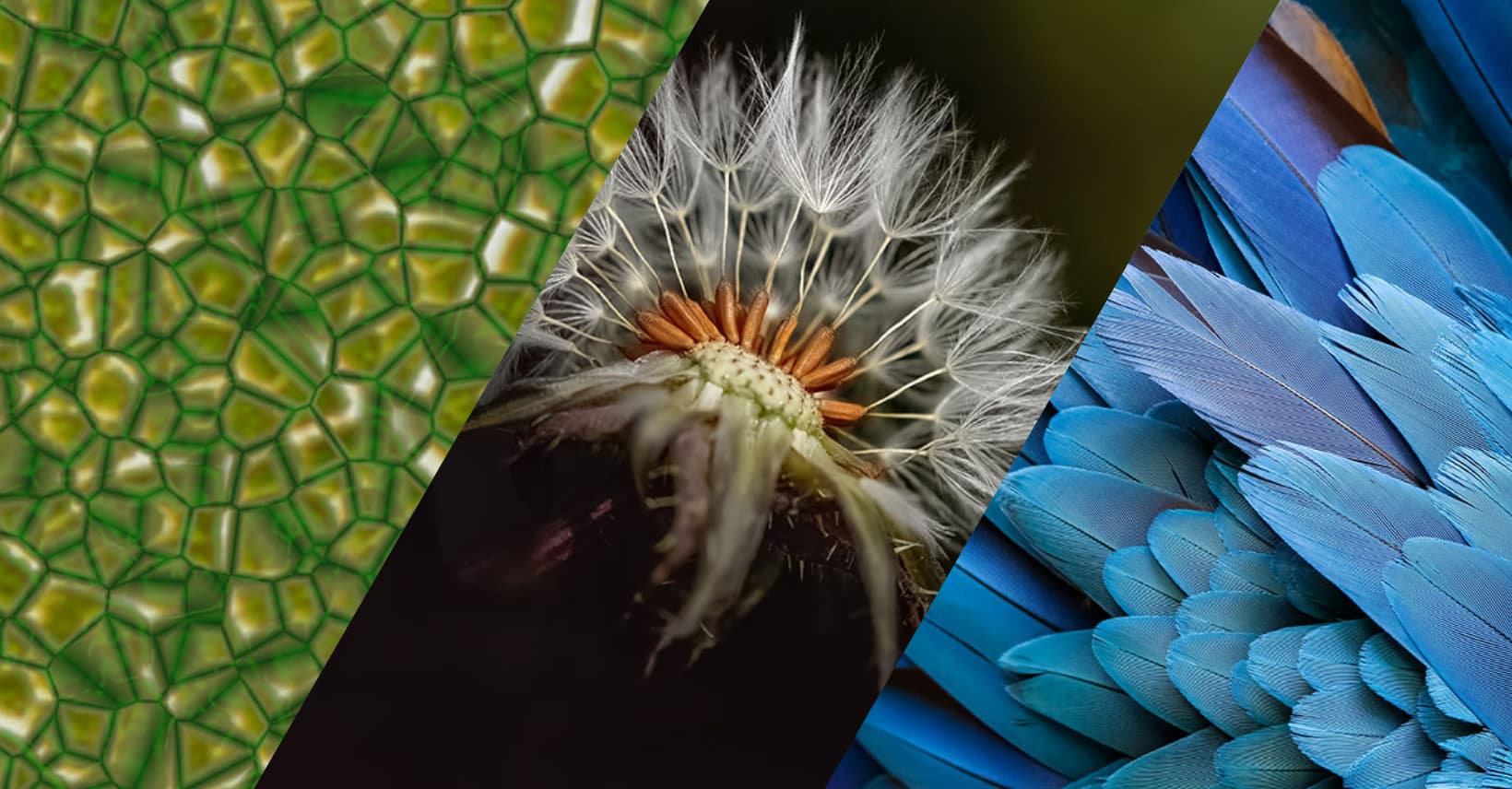
One of the most promising movements reconnecting humans with Earth's creativity is biomimicry, the practice of learning from and emulating nature's strategies to solve human design challenges.
Learning From Rather Than About
Biologist Janine Benyus, who elevated biomimicry to worldwide recognition, describes it as a shift from learning about nature to learning from nature. After 3.8 billion years of research and development, what surrounds us is the secret to our survival.
This represents a fundamental reorientation. Instead of studying nature to better exploit it, we study nature to learn how to design systems that work as elegantly, efficiently and regeneratively as ecosystems do. Nature becomes teacher, model, and measure, not raw material.
Nature-inspired design can contribute to the achievement of the Sustainable Development Goals by improving efficiency and minimizing the environmental impact of each design. Biomimicry promotes increased sustainability, innovation, efficiency, adaptability, and resilience while reducing environmental impact.
Examples of Creative Partnership
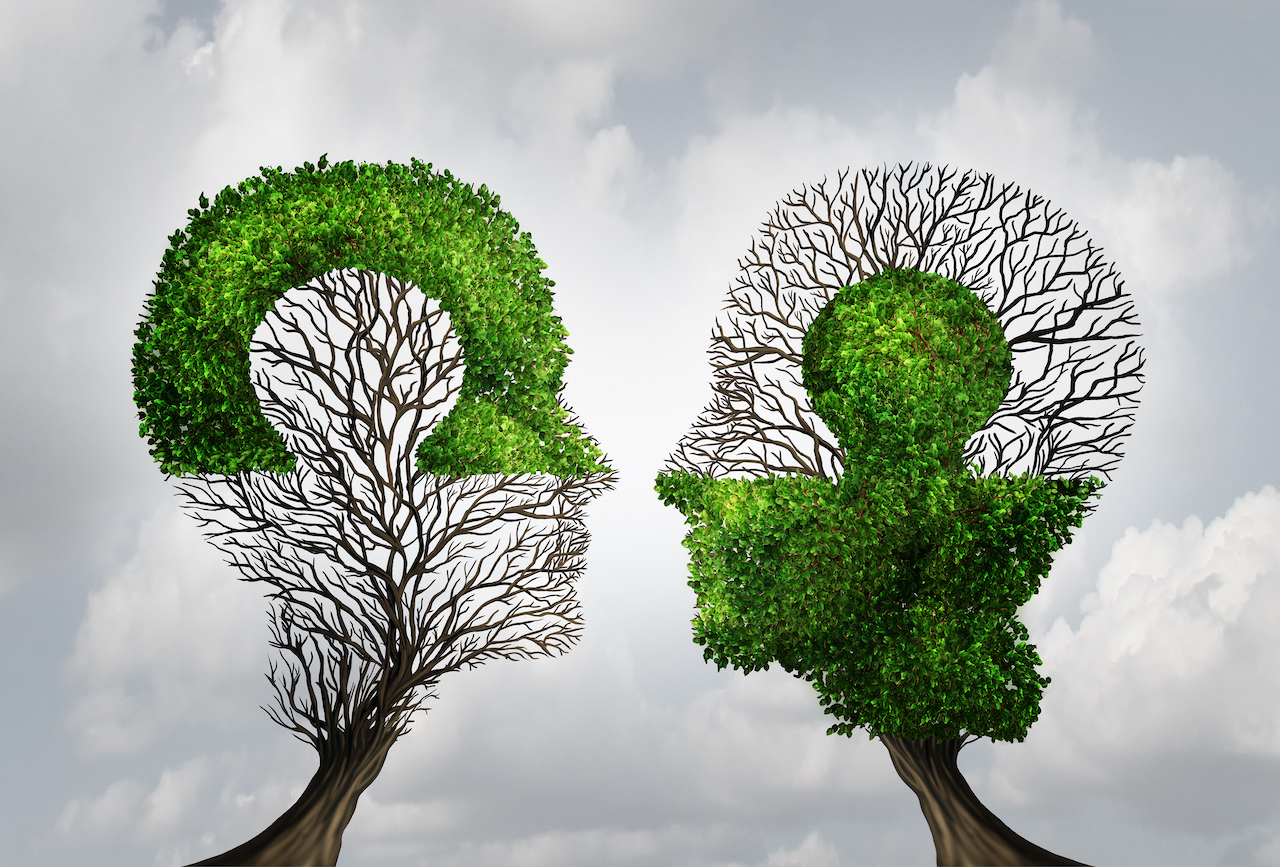
The applications are remarkably diverse. Interface carpet tiles use gecko-inspired adhesive systems to eliminate toxic chemical glues. Architecture incorporates termite mound ventilation principles to create buildings that maintain comfortable temperatures without air conditioning. Water collection systems mimic the Namibian fog-basking beetle's ability to harvest moisture from air.
In 2024, students in the Youth Design Challenge created innovations addressing pressing environmental problems by looking to nature. One team developed an anti-algae bloom filter mimicking the basking shark's ram feeding technique. Another created a sustainable fishing method inspired by how whales use bubble curtains to attract fish.
These aren't just clever technologies, they represent a fundamentally different relationship with nature. Rather than dominating Earth through brute-force engineering, we partner with Earth's wisdom refined over billions of years of evolution.
Nature as Primary Stakeholder
The 2024 Biomimicry Launchpad program articulates something revolutionary: they are co-designing with nature as a primary stakeholder. This means nature isn't just inspiration or constraint, nature has standing in the design process itself. What would nature do? What would nature want? How would nature solve this problem?
This elevates the creative contract to a new level. We're not just taking from nature or even learning from nature, we're inviting nature to participate in human creativity as a recognized partner with its own interests and intelligence.
Rewilding: Returning Creativity to the Land
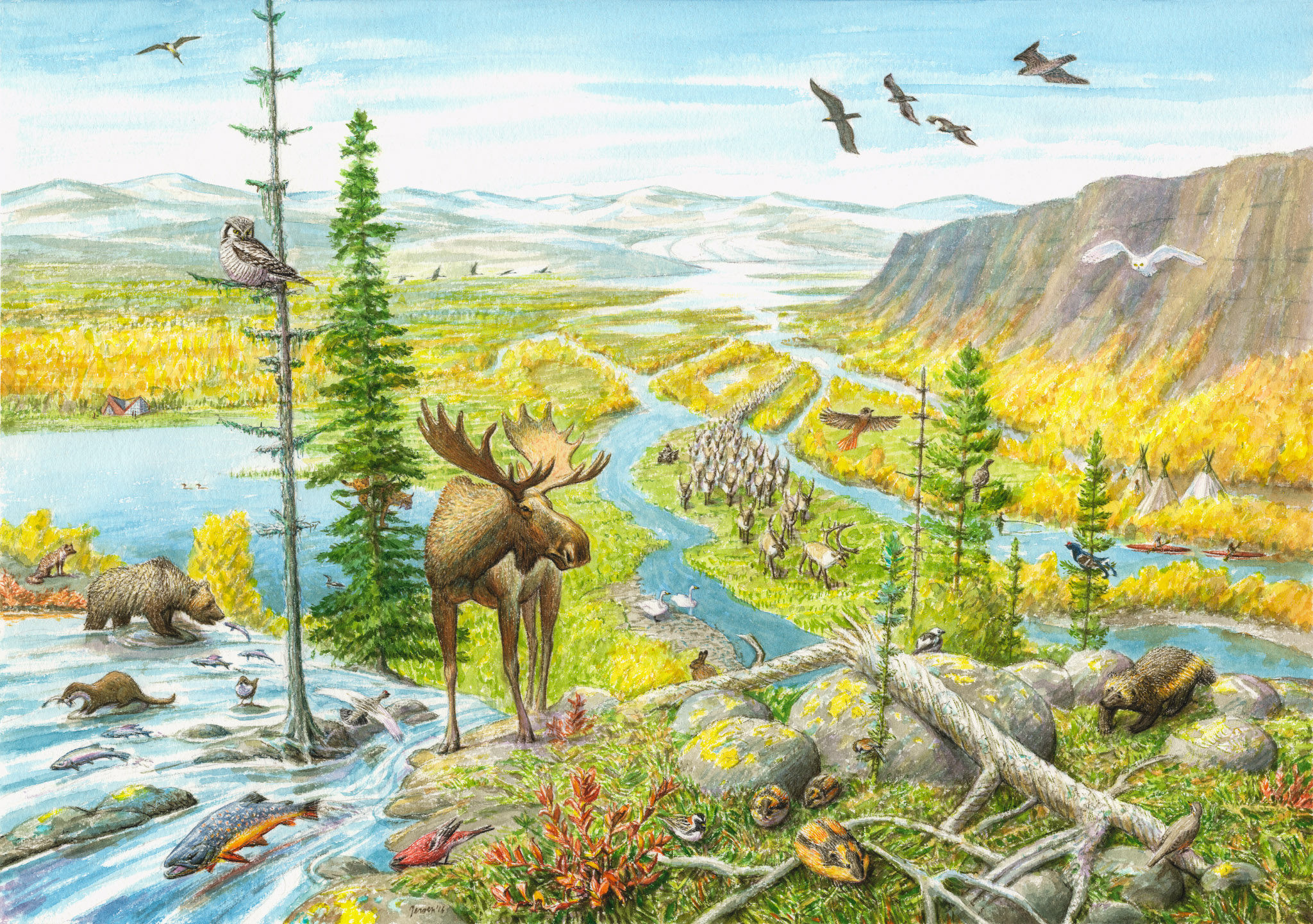
Another expression of the creative contract is the rewilding movement, which seeks to restore ecosystems' capacity for self-organization and creative adaptation.
Rewilding is resetting the balance, reclaiming some land from the tamers and allowing it to repair itself. But crucially, we can't exclude people. Rewilding isn't about removing human influence entirely, it's about transforming that influence from extractive to regenerative.
Rewilding seeks to reinstate natural processes and, where appropriate, missing species, allowing them to shape the landscape and the habitats within. This often means reintroducing apex predators, removing dams to free rivers, or simply stepping back and allowing succession to unfold.
The results can be astonishing. Ecosystems prove far more creative and resilient than we imagined. Species return. Biodiversity rebounds. Ecosystem services strengthen. And humans benefit, not from controlling every variable, but from enabling nature's own creative capacity.
The Four R's: A Framework for the Creative Contract
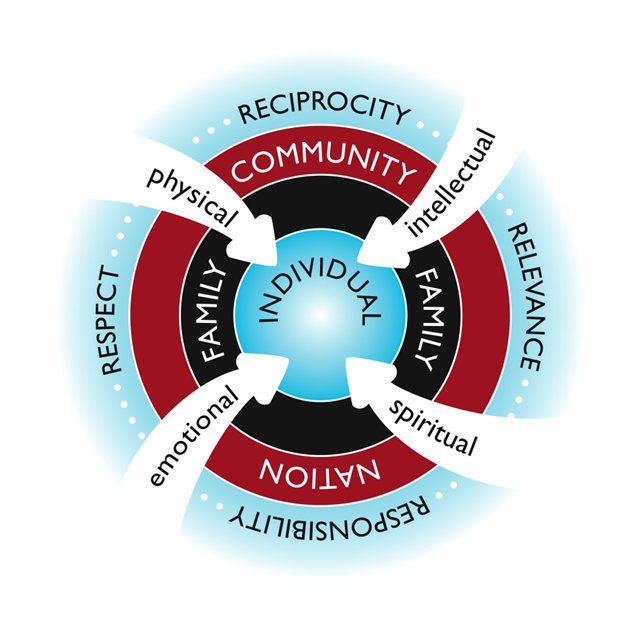
Indigenous and contemporary thinkers have articulated what might be called the Four R's that define the creative contract: Relationship, Responsibility, Reciprocity, and Redistribution.
Relationship: Everything is Connected
Knowledge emerges from reciprocal relationships in Indigenous worldview, contrasting with Western notions that see knowledge as a construct of individual minds. Understanding ourselves as fundamentally relational beings, connected to soil, water, plants, animals, air, and other humans, changes how we act in the world.
Current dominant mindsets claiming a human-nature separation appear to hamper change by not granting nature dignity and her own voice. Recognizing relationship means recognizing nature as subject, not object, as community, not commodity.
Responsibility: We Are Accountable
With relationship comes responsibility. If Earth is our extended family, we have obligations toward it. Nurturing reciprocal relations between people, especially between academics and Indigenous Peoples and local communities, is a necessary first step to identifying pathways whereby living in harmony with nature can be achieved.
This responsibility extends through time. The Haudenosaunee principle of considering impacts seven generations into the future embodies this temporal dimension of the creative contract. Our creativity today shapes possibilities for our descendants.
Reciprocity: Mutual Exchange
As discussed extensively, reciprocity means that care for the environment directly supports human well-being. It's not sacrifice, it's enlightened self-interest understood through the lens of relationship. When we give to Earth, we give to ourselves, because we are not separate.
Redistribution: Keeping Things in Circulation
Redistribution ensures that everything is kept in circulation, creating a sense of value for each person in the community. In ecosystems, nothing is wasted, everything cycles. One organism's waste is another's resource. The creative contract calls us to design human systems that function similarly, where resources flow regeneratively rather than accumulating or depleting.
Contemporary Challenges: Obstacles to Reciprocity
Despite growing awareness, significant obstacles prevent humanity from honoring the creative contract.
The Persistence of Separation
A dominant philosophical and lived notion of separation from the environment lies at the heart of the broken relationship with nature. This separation is reinforced by urban environments where children grow up never seeing food grown, by economic systems that externalize ecological costs, and by technologies that mediate our experience of the world.
Colonialism's Ongoing Legacy
Indigenous Peoples and local communities suffer discrimination, land dispossession and a lack of understanding of their cultures by government officials that impede reciprocity values from being appropriately enacted in environmental stewardship.
The knowledge systems that maintained the creative contract for millennia continue to be marginalized, even as their wisdom becomes increasingly relevant. True restoration of the creative contract requires confronting this colonial legacy and centering Indigenous voices.
Economic Structures of Extraction
Modern capitalism generally treats nature as "free" inputs to production, what economists call externalities. This fundamentally violates reciprocity. When we take without giving back, when we value quarterly profits over seven-generation impacts, we break the creative contract.
Modern society is at breaking point, fueled by the pursuit of power and profit at all costs. Transitioning to an economic system built on the Four R's rather than endless growth represents one of humanity's greatest challenges.
Pathways Forward: Restoring the Creative Contract
How do we, as individuals and societies, return to honoring our creative partnership with Earth?
Personal Reconnection
Start with direct experience. Experiential and affective factors such as perceived contact, emotion, meaningfulness, and compassion were predictors of connection with nature, while merely cognitive approaches were less effective.
Spend time in natural places. Learn the names of plants and animals in your area. Grow food. Notice seasonal cycles. These practices rebuild the neural and emotional pathways that connect you to the living world.
Practice gratitude. Before eating, acknowledge the web of relationships that brought food to your table—the soil, the water, the sun, the plants, the workers. Gratitude naturally leads to reciprocity.
Adopting Biomimicry in Work and Life
Whatever your field, ask: How does nature solve this problem? What strategies have evolved over millions of years that I might learn from? Resources like AskNature.org provide accessible entry points to nature's design library.
Design with nature as a primary stakeholder. Before implementing a solution, consider: Does this enhance ecosystem health? Does it create positive reciprocal contributions? Would nature approve of this approach?
Supporting Indigenous Leadership
Concepts of reciprocity vary and are enacted in specific cultural practices grounded in Indigenous and local knowledge systems. Rather than appropriating Indigenous wisdom, support Indigenous land sovereignty, protect Indigenous territories, and amplify Indigenous voices in environmental decision-making.
Learn from Indigenous teachers who offer their knowledge, while respecting protocols and sacred practices. Many Indigenous educators explicitly share certain teachings to help non-Indigenous people develop more respectful relationships with Earth.
Advocating for Systemic Change
Individual actions matter, but the creative contract requires systemic transformation. Support policies that:
- Recognize nature's rights and legal standing
- Value ecosystem services in economic calculations
- Protect Indigenous land rights and traditional ecological knowledge
- Transition from extractive to regenerative economic models
- Incorporate principles of intergenerational justice
Education for Reconnection
For a sustainable future, a new relationship with nature is needed. Education systems should foster ecological literacy from early childhood. Children should learn not just facts about nature, but how to be in relationship with it.
The 2024 Youth Design Challenge demonstrated how effectively biomimicry curriculum engages students across cultures in nature-inspired problem-solving. Such approaches can reshape how new generations understand their role in the living world.
The Philosophy of Human-Nature Resonance

Recent scholarship has articulated a concept called human-nature resonance, a quality of relationship characterized by mutual response and co-creation. The scientific community is inviting us to embrace Indigenous ontologies and an overall spiritual connectedness with nature in our lives.
This resonance isn't mystical escapism, it's pragmatic necessity. In times of crisis, individuals must overcome prevailing mind-action gaps and instead turn towards sustainable caring human-nature relationships.
Resonance implies that humans and nature aren't just connected, we actively shape each other. As we create, Earth responds. As Earth creates, we respond. This dynamic, living relationship is the essence of the creative contract.
The Future: Co-Creating Regenerative Worlds
What becomes possible when humanity honors the creative contract?
Regenerative Systems
Instead of merely sustaining what exists or minimizing harm, we can design human systems that actively regenerate ecosystem health. Regenerative agriculture builds soil. Biomimetic architecture supports biodiversity. Circular economies eliminate waste by keeping all materials in productive cycles.
These aren't compromises, they're opportunities to demonstrate human creativity at its best, working in partnership with Earth's creative capacity.
Climate Adaptation and Mitigation
The climate crisis demands unprecedented creativity. Solutions rooted in the creative contract, protecting forests with Indigenous communities, restoring wetlands and grasslands, redesigning cities as ecosystems, simultaneously address climate change while honoring reciprocity with the living world.
Cultural Renaissance
As people reconnect with nature, culture transforms. Art, literature, music, and ritual that honor our belonging to Earth can help reshape cultural narratives from domination to partnership. This isn't regression to premodern ways, it's integration of ancient wisdom with contemporary capabilities to create something genuinely new.
Scientific Innovation
Science itself transforms when we approach nature as teacher rather than object. Biomimicry is just the beginning. Imagine biology that listens to what organisms themselves tell us about optimal health, or ecology that incorporates Indigenous knowledge about landscape management, or chemistry that emulates nature's closed-loop material flows.
The Deepest Wisdom: We Are Earth Becoming Conscious

Perhaps the most profound implication of the creative contract is this: Human consciousness and creativity aren't separate from Earth, they're how Earth becomes conscious of itself and creates more consciously.
We are the planet's capacity for self-reflection, for deliberate creativity, for making choices about its own future. When we honor the creative contract, we're not limiting human potential, we're actualizing it in its fullest sense. We become what we've always been meant to be: Earth's creative consciousness, working in service of the whole.
We see ourselves as nature. We are meant to live in balance. This isn't idealism, it's realism. Balance is prerequisite for long-term flourishing. The creative contract doesn't constrain us, it liberates us to participate in the greatest creative project imaginable: the flourishing of a living planet.
Signing the Contract Anew
The creative contract between humans and Earth has never been revoked, only forgotten, ignored, violated. It remains available to us, written in the patterns of ecosystems, encoded in Indigenous wisdom, emerging in scientific understanding, and calling to us from the depths of our own nature-deprived psyches.
Every moment presents an opportunity to honor this contract: in how we eat, how we travel, how we work, how we play, how we vote, how we invest, how we relate to other species, how we teach children, how we age, how we die, and how we remember.
The question isn't whether Earth will survive human activity, Earth will persist in some form. The question is whether humanity will survive our own creativity turned against the systems that sustain us, or whether we'll transform that creativity into partnership with the living world.
If we are able to embody kinship with our natural world and practice reciprocity as if the future mattered, then we may once again become keepers of the green world.
The creative contract awaits our signature, written not in ink on paper, but in actions taken with reverence, in systems designed with reciprocity, in children taught to recognize their kinship with all life, and in a fundamental reorientation of human purpose from dominion to participation.
We can do this. Nature itself teaches us how. All we must do is listen, learn, and honor the oldest agreement humanity ever made: to give as well as take, to create conditions conducive to life, to recognize ourselves as Earth's consciousness and creativity in human form.
The contract is clear. The choice is ours. And the time is now.
Share

Sara Srifi
Sara is a Software Engineering and Business student with a passion for astronomy, cultural studies, and human-centered storytelling. She explores the quiet intersections between science, identity, and imagination, reflecting on how space, art, and society shape the way we understand ourselves and the world around us. Her writing draws on curiosity and lived experience to bridge disciplines and spark dialogue across cultures.